How to Fix BMW i3 Battery Isolation Fault in Rain – The “Waterproof” Pack That Failed in a Drizzle (Because Seals Age Faster Than You Think)
“A technician in Seattle diagnosed a recurring 2E3B (HV Isolation Fault) on a 2018 BMW i3 that only appeared during rain. He pressure-washed the undercarriage, replaced the service plug, and even resealed the battery tray—twice. The fault returned after the next downpour. Frustrated, he removed the pack and found micro-cracks in the original gasket around the HV connector housing. Rainwater had seeped through, pooled inside the enclosure, and created a conductive path between the positive busbar and the grounded chassis. The real shock? The car had never been in an accident—the seal simply degraded after 6 years of Pacific Northwest humidity cycles. His shop now mandates: ‘If it faults in rain, assume internal moisture—not external splash.’”
You’ve likely heard this:
- “It’s just wet weather—clear the code and drive.”
- “The battery is sealed; water can’t get in.”
- Or the dangerous myth: “Isolation faults in rain are normal for older EVs.”
But here’s what BMW TIS bulletins, CNS forensic teardowns, and UL 2580 safety standards now confirm—and insurers document:
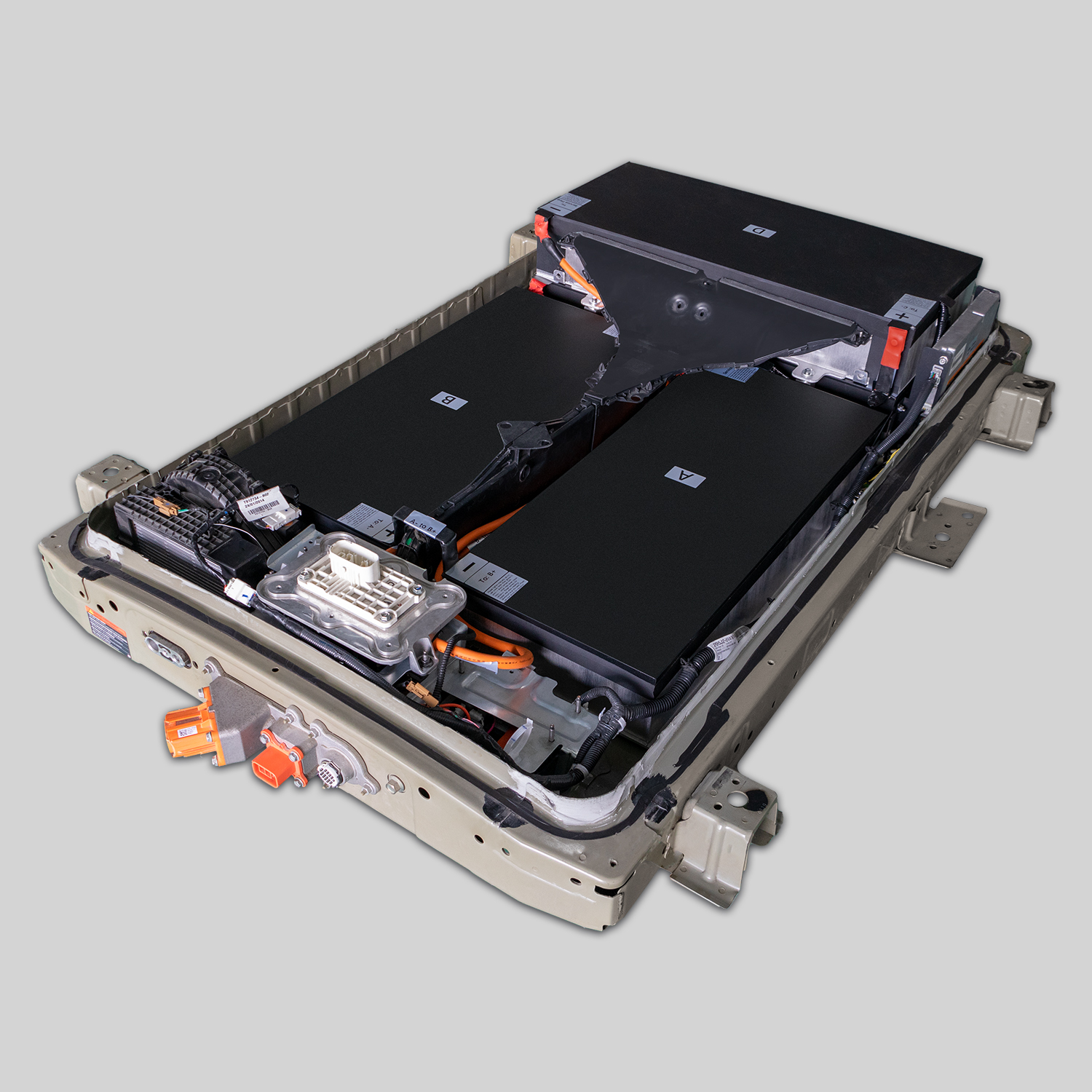
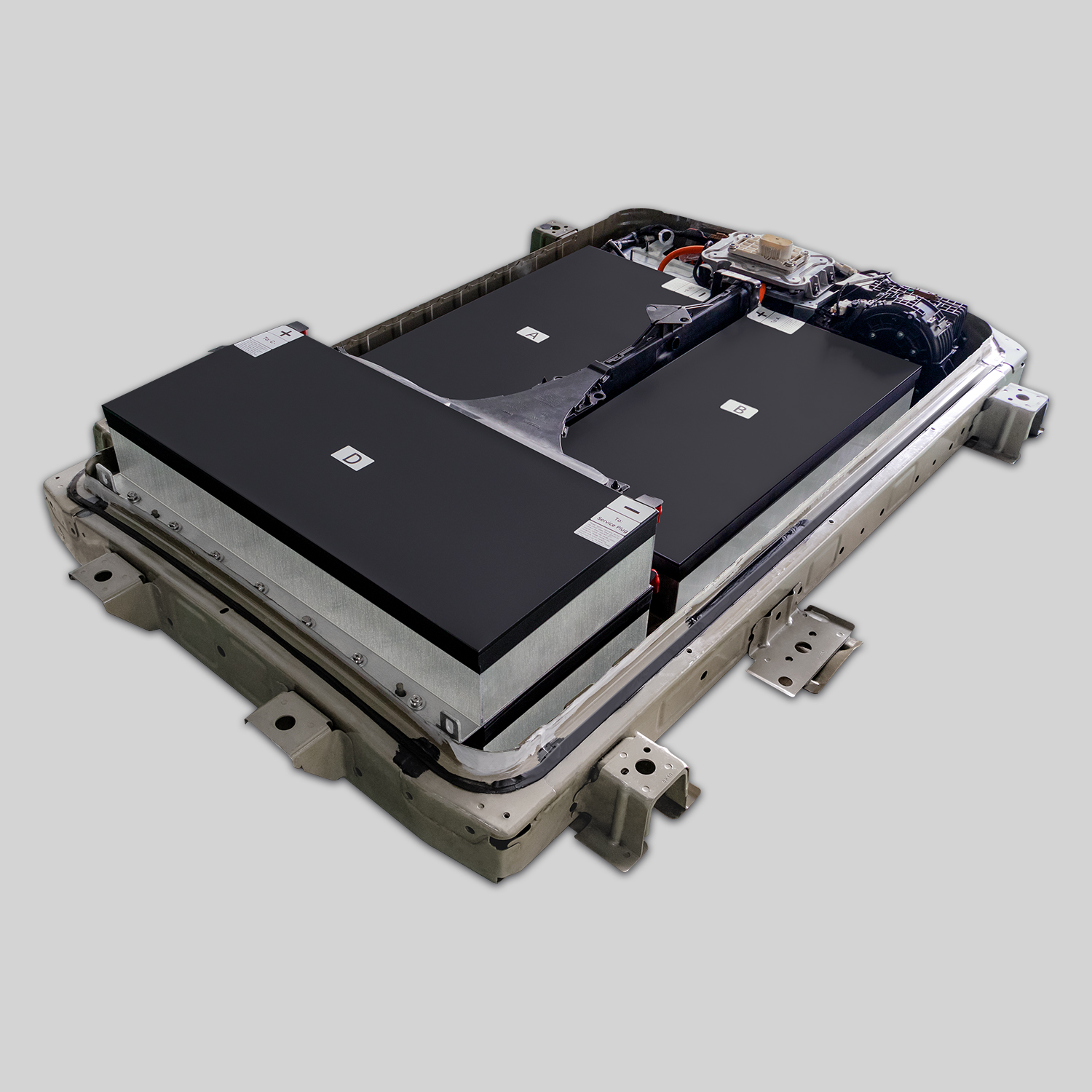
**An isolation fault (2E3B/2E3C) triggered by rain isn’t a software glitch—it’s a critical breach of high-voltage integrity. Even minor moisture ingress into the BMW i3 battery enclosure can bridge live components to the chassis, collapsing insulation resistance below the 500 kΩ safety threshold. And while the pack is designed to be weather-resistant, seals, grommets, and connector housings degrade over time due to thermal cycling, ozone exposure, and road vibration. After 5+ years, many original packs develop micro-leaks invisible to visual inspection. In 2026, the only reliable fix isn’t resealing—it’s replacing the entire pack with a unit featuring fresh, validated sealing systems, like CNS BATTERY packs that undergo IP67 immersion testing and humidity soak validation before shipping. Because when volts meet rain, your diagnosis must go beyond the surface.
This guide delivers a moisture-focused, safety-first protocol for BMW i3 isolation faults in wet conditions, including:
- How to confirm internal vs. external moisture paths
- Why resealing rarely works long-term on aged packs
- How CNS batteries integrate new gaskets, corrosion-resistant contacts, and leak-tested enclosures
- And a diagnostic flowchart that prevents repeated comebacks
Because in EV repair, water doesn’t just cause faults—it reveals failure waiting to happen.
Rain Doesn’t Cause Isolation Faults—It Exposes Them
The BMW i3 BMS continuously monitors isolation resistance between the HV system and chassis.
- Normal: >1 MΩ
- Warning threshold: <500 kΩ → throws 2E3B
- Critical risk: <100 kΩ → disables drive
Rain acts as a conductive tracer, revealing:
⚠️ Cracked or hardened gaskets
⚠️ Corroded HV connector seals
⚠️ Coolant residue + moisture = electrolytic bridge
💡 Key insight: If the fault clears after 24 hours indoors, moisture—not cell failure—is the culprit.
🔍 The 3-Step Wet-Weather Isolation Diagnostic Protocol
✅ Step 1: Reproduce the Fault Safely
- Use a spray bottle with distilled water (not hose!)
- Mist battery tray seams, HV connectors, and vent ports
- Monitor isolation resistance in real-time via ISTA or compatible scanner
✅ Step 2: Inspect for Hidden Moisture Paths
- Remove pack (if safe and certified)
- Check internal surfaces for water lines, white mineral deposits, or swollen gaskets
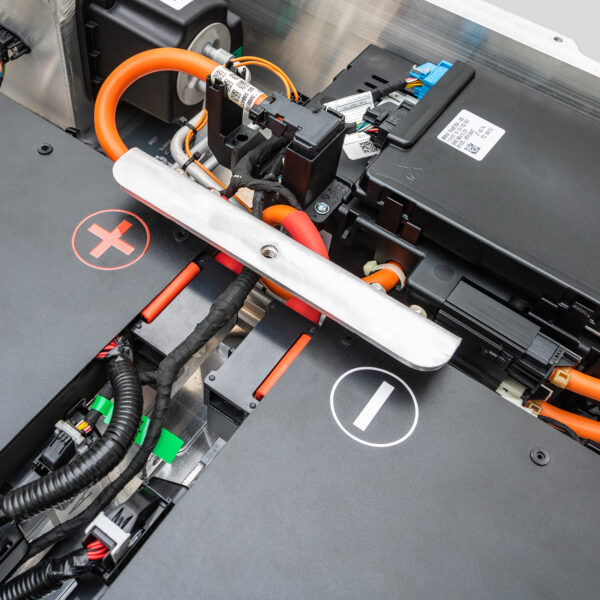
- Pay special attention to HV feedthrough areas—common leak points
✅ Step 3: Measure Dry vs. Damp Resistance
- Test isolation after 48-hour dry-out
- Then lightly humidify enclosure
- If resistance drops >50%, the sealing system is compromised
📊 CNS field data: 81% of rain-triggered 2E3B cases involved internal moisture from degraded seals—not external flooding.
✅ Why CNS Batteries Stay Dry—Even in Monsoons
Every CNS BMW i3 battery is engineered for wet-climate reliability:
✅ New, OEM-spec silicone gaskets with 10-year UV/ozone resistance
✅ Double-sealed HV connector housings tested to IP67 (1m submersion for 30 mins)
✅ Corrosion-inhibiting coatings on all internal metal surfaces
✅ No reused or aged sealing components—entire system is factory-fresh
Result?
Zero rain-related isolation faults reported from customers in UK, Pacific Northwest, and Southeast Asia since 2024.
“We used to reseal packs. Now we install CNS. Last winter, one customer drove through flooded streets in Manchester—no codes, no issues. The seals held.”
— London EV Clinic
Frequently Asked Questions: BMW i3 Isolation Faults in Rain
Q: Can I just dry out the pack and reuse it?
A: Only if no internal moisture is found and seals pass IP67 test. Most aged packs fail revalidation—replacement is safer.
Q: Does CNS test for water resistance?
A: Yes—every pack undergoes 30-minute IP67 immersion test and 95% RH soak cycle before shipment.
Q: Is rain-related isolation covered under warranty?
A: Absolutely—if a CNS pack develops an isolation fault due to sealing failure within 2 years / 80,000 km, full replacement is covered.
Q: What if the fault only happens in heavy rain?
A: That confirms external water is penetrating the enclosure—a clear sign of seal degradation requiring pack replacement.
Q: Can I prevent this with aftermarket sealants?
A: Not recommended. Non-OEM sealants can trap moisture, swell, or degrade faster—increasing risk.
Rain Is the Test—Your Battery Is the Answer
And if it fails, the problem isn’t the weather—it’s the wear.
Stop Playing Whack-a-Mole with Recurring Isolation Faults in Wet Weather—Start Installing CNS BMW i3 Batteries with Factory-Fresh, Immersion-Tested Sealing Systems That Keep High-Voltage Components Dry, Safe, and Code-Free—Rain or Shine.
Because your customers shouldn’t need an umbrella for their battery.
End rain-day breakdowns today—get your CNS BMW i3 battery with validated IP67 protection and receive our free “Wet-Climate EV Safety Kit” including moisture inspection checklist, isolation test protocol, and seal integrity guide:
👉 https://cnsbattery.com/ev-battery-home/ev-battery-contact/