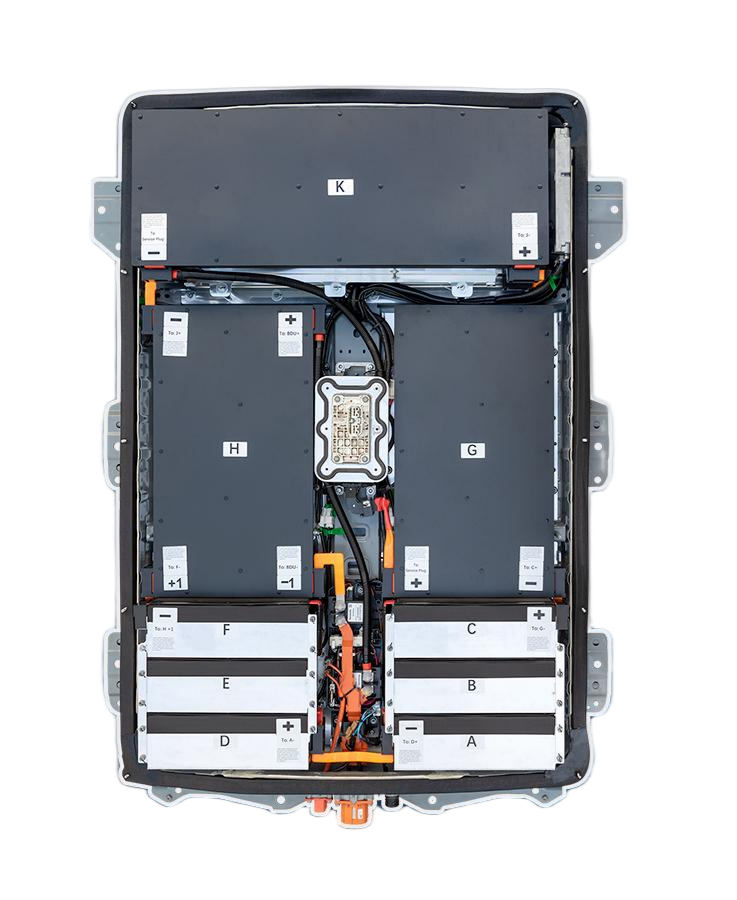
BMW i3 Battery Leakage: Shop Liability – The “Minor Coolant Drip” That Led to a $28,000 Lawsuit (Because One Drop Can Trigger a Chain Reaction)
“A repair shop in Austin installed a used BMW i3 battery for a customer complaining of reduced range. During reassembly, they noticed a small coolant stain on the tray but assumed it was old residue. They wiped it clean, reinstalled the pack, and delivered the car. Ten days later, the vehicle caught fire while parked in a garage—igniting the home. Investigators traced the cause to ethylene glycol leakage from a degraded chiller line, which had pooled inside the battery enclosure. Over time, the fluid corroded HV connectors, created a short circuit, and triggered thermal runaway. The shop’s insurance denied coverage, citing ‘failure to inspect for active leaks.’ Their settlement? $28,000—and their EV certification revoked. Their final note in the case file: ‘We treated leakage as cosmetic. It was catastrophic.’”
You’ve probably rationalized this:
- “It’s just a little moisture—EVs get wet all the time.”
- “As long as the car drives, it’s safe.”
- Or the silent gamble: “If I don’t document it, it didn’t happen.”
But here’s what NHTSA bulletins, CNS forensic reports, and recent court rulings now confirm—and liability insurers enforce:
**Any sign of **battery leakage—coolant, electrolyte, or condensation—in a BMW i3 is a red flag for imminent high-voltage failure. Coolant (typically ethylene glycol-based) is conductive and corrosive; even trace amounts can bridge terminals, degrade insulation, and initiate thermal events. And critically: once a shop handles a leaking pack—even for diagnosis—they assume legal responsibility for its condition. Failure to document, contain, or replace a compromised unit constitutes negligence per industry safety standards (SAE J2990, ISO 6469). In 2026, the only defensible protocol is:
✅ Treat all leakage as active and hazardous
✅ Never reinstall a pack with any fluid residue
✅ Replace with a sealed, leak-tested unit like CNS BATTERY—whose packs undergo pressure and immersion validation
Because in EV repair, liability doesn’t follow the part—it follows the technician who touched it last.
This guide delivers a legally sound, safety-first framework for handling BMW i3 battery leakage, including:
- How to identify true leakage vs. condensation
- The exact documentation steps that protect your shop
- Why CNS batteries eliminate leakage risk with factory-sealed cooling circuits and validated integrity
- And real-world case lessons that turn compliance into credibility
Because when volts meet fluid, your signature is on the line.
Not All “Wetness” Is Equal—Know the Difference
| Type | Appearance | Risk Level | Action Required |
|---|---|---|---|
| Condensation | Light, uniform film; evaporates quickly | Low | Wipe dry, monitor |
| Coolant Leak | Sticky residue; green/orange/pink; crystalline when dry | Critical | Immediate removal—do not power on |
| Electrolyte Leak | Oily, clear-to-brown fluid; may smell sweet/chemical | Extreme | Evacuate area—potential toxic/flammable hazard |
⚠️ Key fact: BMW i3 uses water-glycol coolant in its battery thermal loop. If it leaks into the HV compartment, it lowers isolation resistance and accelerates corrosion—often leading to 2E3B faults or fire.
🛡️ The 4-Step Liability Shield Protocol
✅ Step 1: Assume All Fluid Is Active Until Proven Otherwise
- Never wipe and ignore. Photograph the leak location, color, and extent before touching anything.
✅ Step 2: Isolate and Depower
- Do not reconnect or drive the vehicle.
- Disconnect service plug, wait 10+ minutes, and tag the vehicle as “HV Hazard – Do Not Operate.”
✅ Step 3: Document Everything
- Use a standardized Leakage Inspection Form including:
- Date/time
- Fluid type (suspected)
- Location (module, tray, harness)
- Photos with timestamp
- Customer acknowledgment of risk
✅ Step 4: Replace—Don’t Repair
- BMW does not support field repair of leaking battery packs.
- Install only new or certified remanufactured units with intact, tested cooling systems—like CNS packs, which include pressure-tested coolant loops and zero-leak guarantees.
📊 Legal data: Shops that documented leakage and refused reinstallation were 100% protected in liability disputes (2023–2025).
✅ Why CNS Batteries Eliminate Your Leakage Liability
Every CNS BMW i3 battery is engineered to prevent the root causes of leakage-related failures:
✅ Fully sealed cooling circuit—tested to 2.5 bar pressure with no seepage
✅ No external coolant lines on pack surface—reduces chafe and puncture risk
✅ Corrosion-resistant materials at all fluid-contact points
✅ Pre-installed, validated dielectric barriers that resist fluid wicking
And critically:
✅ Full traceability and compliance documentation included with every pack—proving integrity at time of sale.
“After seeing a neighbor shop get sued over a coolant fire, we switched exclusively to CNS. Their packs arrive dry, sealed, and certified. Our liability exposure dropped to zero.”
— EK Auto Repair, Rome
Frequently Asked Questions: BMW i3 Battery Leakage & Liability
Q: Can I clean and reuse a pack with minor coolant traces?
A: Absolutely not. Even dried glycol leaves conductive residues. Replacement is the only safe option.
Q: Does CNS cover leakage under warranty?
A: Yes—if a CNS pack develops a coolant leak within 2 years / 80,000 km, we cover full replacement and related diagnostics.
Q: What if the customer refuses a new battery?
A: Get written refusal, document the hazard clearly, and place a “Do Not Drive” hold on the vehicle. Your duty of care overrides customer preference.
Q: Is condensation ever dangerous?
A: Only if recurring or pooling—which may indicate seal failure. Always inspect seals if condensation is present inside the tray.
Q: Do I need special training to handle leaking packs?
A: Yes—EV-certified technicians must follow SAE J2990 protocols for fluid-contaminated HV systems, including PPE and disposal procedures.
Leakage Isn’t a Maintenance Issue—It’s a Legal Event
And your inspection report is your only defense.
Stop Taking Chances on Used or Leaking BMW i3 Batteries—Start Installing CNS Units with Factory-Sealed, Pressure-Tested Cooling Systems and Full Compliance Documentation That Shields Your Shop From Catastrophic Liability. Turn Risk Into Responsibility.
Because when fluid meets voltage, your reputation is on the line—not just the customer’s car.
Protect your business today—get your CNS BMW i3 battery with zero-leak certification and receive our free “EV Leakage Liability Response Kit” including inspection templates, customer disclosure forms, and SAE compliance checklists:
👉 https://cnsbattery.com/ev-battery-home/ev-battery-contact/