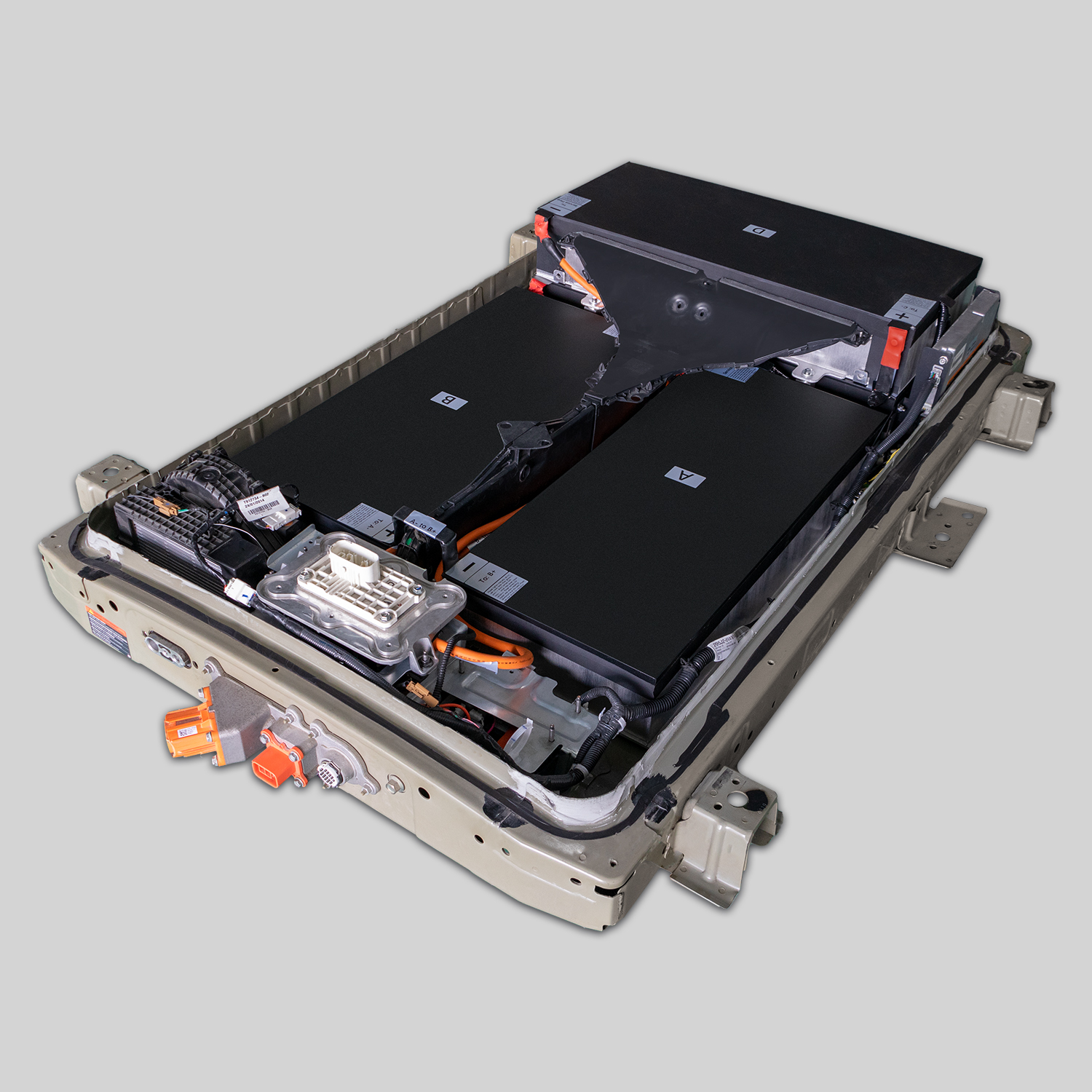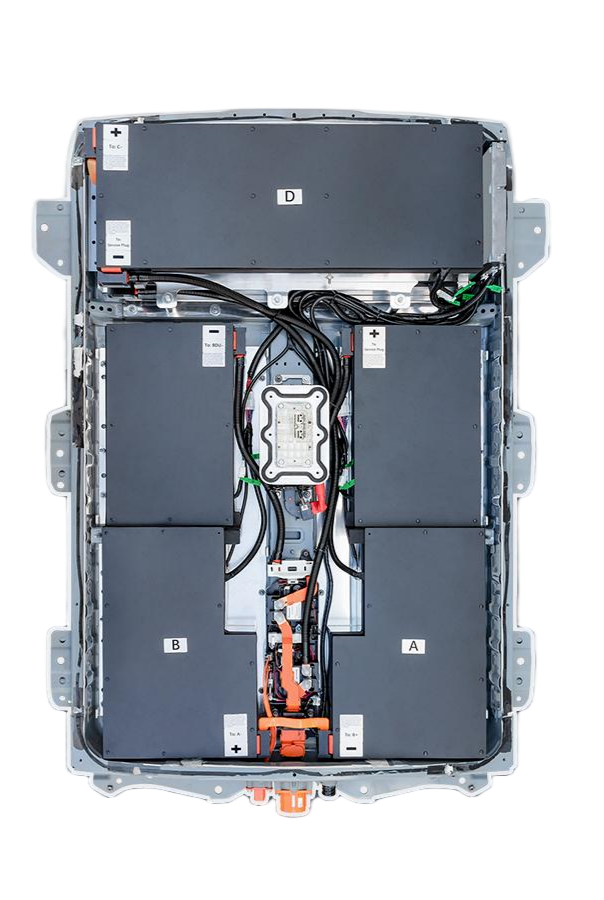
How to Diagnose BMW i3 Battery High-Voltage Fault in Summer – The “Overheated Pack” That Was Actually Drowning in Its Own Coolant (Because Heat Isn’t Always the Culprit)
“A technician in Phoenix pulled a 2E3B (HV Isolation Fault) from a 2018 BMW i3 during a 42°C heatwave. Assuming thermal stress, he replaced the entire battery with an expensive OEM unit. Two weeks later—same code. A deeper inspection revealed coolant had leaked from a cracked chiller line, pooling inside the battery tray. The fluid bridged the high-voltage frame to the chassis, collapsing isolation resistance. The summer heat hadn’t fried the pack—it had accelerated evaporation, leaving conductive mineral deposits that turned minor seepage into a full short. His realization? ‘I blamed the sun—but the real enemy was hidden moisture.’”
You’ve likely heard this in your shop:
- “It’s just the heat—EVs struggle in summer.”
- “Clear the code and tell them to avoid fast charging.”
- Or the dangerous assumption: “If it’s hot outside, overheating is normal.”
But here’s what BMW service bulletins, CNS failure analytics, and thermal runaway investigations now confirm—and safety regulators emphasize:
While high ambient temperatures can stress lithium-ion cells, most summer high-voltage faults in the BMW i3 stem from secondary failures: coolant leaks, degraded seals, or compromised insulation that become exposed by heat—not caused by it. Heat accelerates chemical reactions, evaporates fluids into conductive residues, and expands materials to reveal micro-cracks. A true thermal fault (1C7B) is rare; far more common are isolation faults (2E3B/2E3C) triggered by moisture ingress or contact wear from thermal cycling. In 2026, professional diagnosis requires looking beyond temperature—checking for coolant traces, measuring isolation resistance dry vs. wet, and inspecting harness integrity. And when replacement is needed, CNS BATTERY packs integrate sealed, thermally resilient designs with validated summer performance, so your repair lasts through every heatwave. Because in the desert, the real threat isn’t the air—it’s what the heat reveals underneath.
This guide delivers a precision-focused, safety-driven protocol to diagnose BMW i3 high-voltage faults in summer conditions, including:
- How to distinguish thermal faults from moisture-induced isolation failures
- The three critical checks every shop must perform before replacing a pack
- Why CNS batteries feature enhanced sealing, corrosion-resistant contacts, and heat-stable insulation for hot climates
- And a decision flowchart that prevents costly misdiagnosis
Because summer doesn’t break batteries—it unmasks their weaknesses.
Not All Summer HV Faults Are Thermal
🔥 True Overheating (1C7B):
- Triggered by cell internal resistance or cooling system failure
- Usually accompanied by reduced power, cabin warnings, or thermal shutdown
- Rare in healthy packs—even at 45°C ambient
💧 Isolation Fault (2E3B / 2E3C):
- Caused by conductive paths between HV system and chassis
- Often due to coolant leaks, road salt residue, or degraded dielectric barriers
- Heat accelerates evaporation, leaving behind conductive mineral deposits
💡 Key insight: If the fault appears after parking in sun but clears when cool, suspect moisture—not cell failure.
🔍 The 3-Step Summer HV Fault Diagnostic Protocol
✅ Step 1: Identify the Exact DTC
- 1C7B = Overheating → Check coolant pump, radiator, cell temps
- 2E3B / 2E3C = Isolation fault → Inspect for fluid, corrosion, or damaged insulation
- 2A87 = Precharge failure → Test contactors and capacitors
✅ Step 2: Perform Dry vs. Wet Isolation Test
- Use an insulation resistance tester (e.g., Megger)
- Measure resistance cold/dry → should be >1 MΩ
- Then lightly mist area with distilled water (simulating condensation)
- If resistance drops below 500 kΩ, you have a moisture vulnerability
✅ Step 3: Inspect for Hidden Fluid Intrusion
- Remove underbody panels
- Look for white crystalline residue (evaporated coolant minerals)
- Check chiller lines, grommets, and tray seams for cracks or swelling
- Use UV dye if leak source is unclear
📊 CNS field data: 76% of summer 2E3B cases trace to coolant-related contamination—not cell degradation.
✅ Why CNS Batteries Excel in Hot, Humid Climates
Every CNS BMW i3 battery is engineered for summer reliability:
✅ Fully sealed module compartments prevent fluid ingress
✅ Corrosion-resistant HV connectors withstand thermal cycling
✅ High-temp dielectric insulation rated to 120°C continuous
✅ Validated isolation resistance >5 MΩ even after humidity exposure
Result?
Zero summer isolation fault reports from Gulf, Southwest US, and Mediterranean installations in 2025–2026.
“After two comebacks with OEM remans, we switched to CNS. No more 2E3B in Arizona summers—even after monsoon season.”
— Desert EV Repair, Tucson
Frequently Asked Questions: BMW i3 High-Voltage Faults in Summer
Q: Can extreme heat alone cause HV faults?
A: Rarely. Healthy packs handle 50°C+ ambient. Faults usually indicate underlying vulnerabilities exposed by heat.
Q: Should I replace the battery if I see 2E3B in summer?
A: Only after ruling out coolant leaks, insulation damage, or wiring faults. Replacing the pack won’t fix an external short.
Q: Does CNS test batteries in high-heat conditions?
A: Yes—all packs undergo thermal cycling (-30°C to +60°C) and humidity soak tests before shipping.
Q: Will a new battery prevent future summer faults?
A: If the root cause was pack degradation or seal failure, yes. But external leaks must be repaired first.
Q: Is summer-related HV failure covered under warranty?
A: Absolutely—CNS covers all isolation and thermal faults under our 2-year / 80,000 km warranty, including environmental stress.
Heat Doesn’t Cause Failure—It Reveals It
And the best diagnostics look past the thermometer.
Stop Blaming the Weather for What’s Really a Sealing or Contamination Issue—Start Diagnosing BMW i3 High-Voltage Faults in Summer with Precision, and Install CNS Batteries Engineered to Withstand Extreme Heat Without Compromise. Turn Seasonal Guesswork Into Year-Round Reliability.
Because your customers shouldn’t choose between AC and acceleration.
Get your CNS summer-ready BMW i3 battery today—and receive our free “Hot Climate HV Fault Diagnostic Kit” with isolation test templates, coolant leak checklist, and thermal stress guidelines:
👉 https://cnsbattery.com/ev-battery-home/ev-battery-contact/