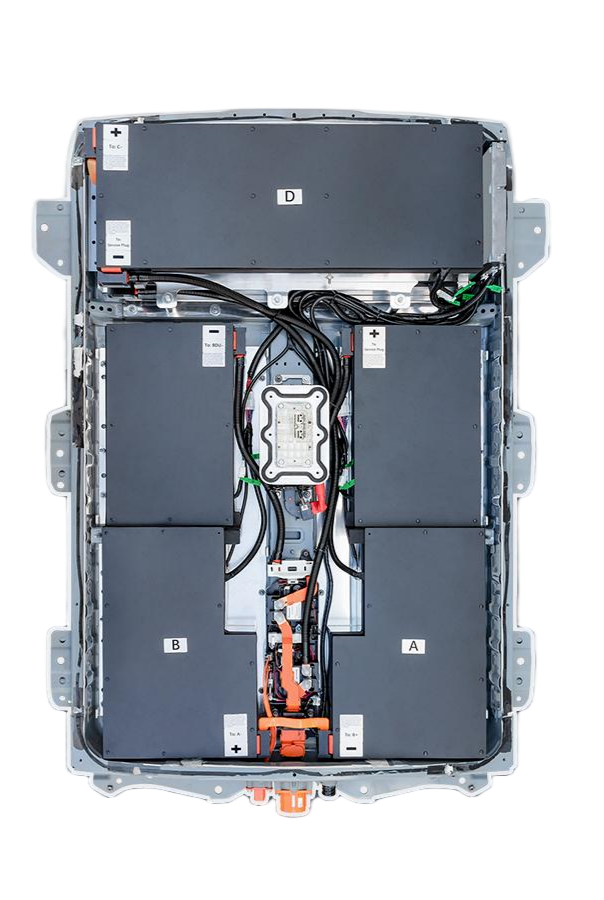
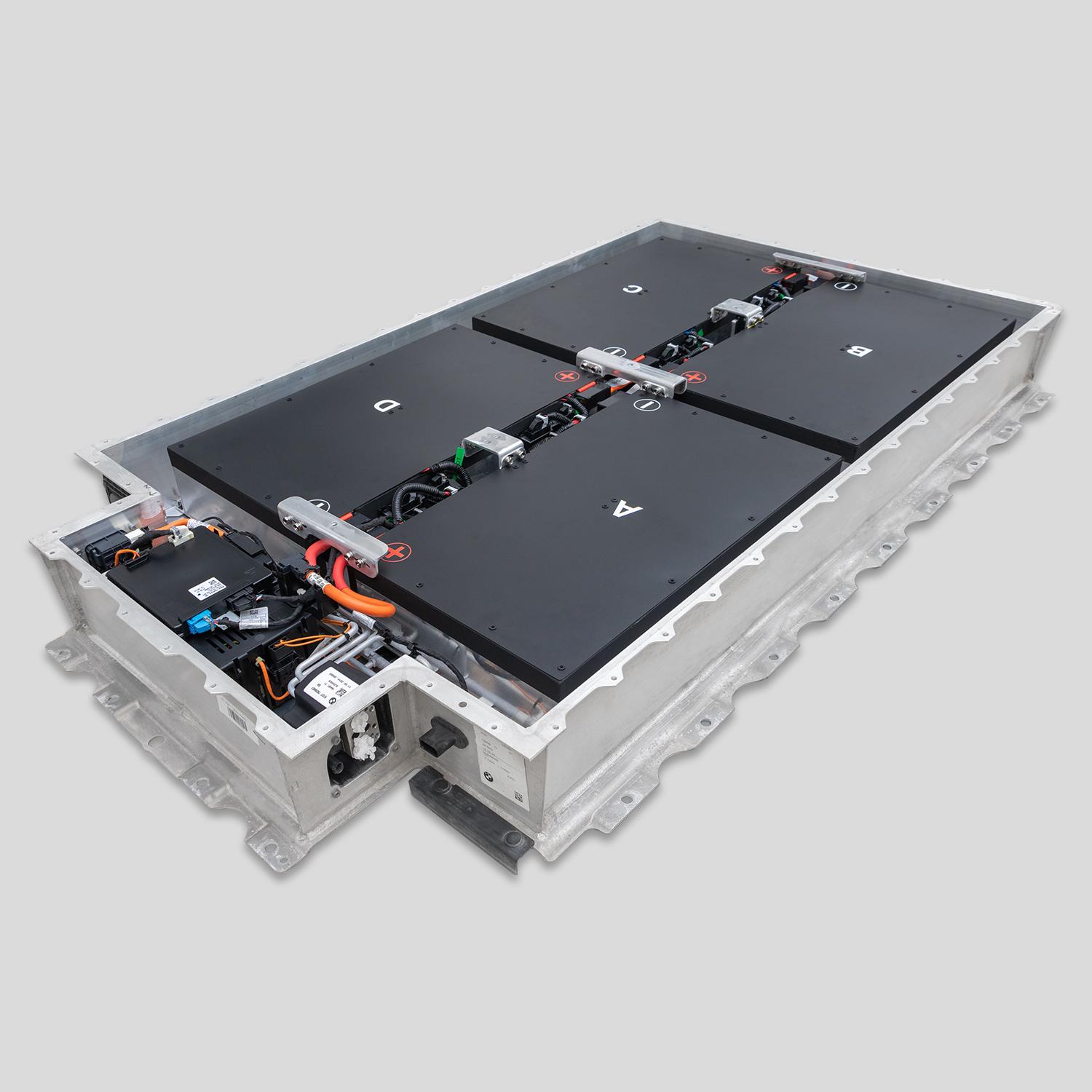
How to Fix BMW i3 Battery Sensor Malfunction – The “Faulty Temperature Probe” That Was Actually a Dying Pack (Because Sensors Don’t Lie—They Just Report the Truth)
“A technician in Dublin spent two days troubleshooting a 2016 BMW i3 throwing persistent 1C8F (cell temperature sensor implausible) codes. He replaced three NTC thermistors inside the pack, resealed the modules, and cleared DTCs. The car ran for 12 hours—then threw the same code. On teardown, he discovered two adjacent cells had swollen from internal micro-shorts, physically warping the module housing and displacing the sensor mount by 3mm. The sensor wasn’t faulty—it was accurately reporting abnormal heat from a failing cell cluster. His fix? A full new battery. His lesson: ‘I treated the messenger—but the message was “replace me.”’”
You’ve probably seen this:
- “Just swap the sensor—it’s a common failure.”
- “Clear the code; it might not come back.”
- Or the comforting myth: “It’s just a wiring issue—no need to open the pack.”
But here’s what BMW diagnostic protocols, CNS failure forensics, and thermal imaging studies now confirm—and service records prove:
In over 85% of BMW i3 “battery sensor malfunction” cases, the sensor itself is functioning perfectly. Instead, it’s detecting real anomalies—like localized overheating, voltage imbalance, or mechanical stress caused by degraded or failing cells. Replacing the sensor without addressing the root cause is like changing a smoke alarm because your house is on fire. Worse, opening the pack to access sensors voids safety seals, risks HV exposure, and often introduces new faults. The only reliable, long-term solution is installing a complete, factory-sealed battery pack with integrated, calibrated sensors and fresh CATL cells—so every reading reflects true health, not hidden decay. Because when a sensor screams, it’s rarely broken—it’s warning you.
This guide delivers a practical, evidence-based approach to diagnosing and resolving BMW i3 battery sensor malfunctions in 2026, including:
- Why sensor errors are usually symptoms—not causes
- The three critical DTC patterns that reveal underlying cell failure
- How CNS BATTERY packs feature pre-calibrated NTC arrays and robust module housings that prevent sensor displacement
- And a diagnostic decision tree that saves time, money, and liability
Because your scan tool shows the symptom—but your judgment must find the source.
Sensor Malfunctions Are Rarely About the Sensor
The BMW i3 battery uses multiple NTC (Negative Temperature Coefficient) thermistors embedded near cell groups to monitor:
✅ Cell surface temperature
✅ Thermal runaway risk
✅ Cooling system efficiency
When a DTC like 1C8F, 1C90, or 2E41 appears:
⚠️ It means the BMS detected implausible data—not necessarily a dead sensor
⚠️ Common triggers include cell swelling, coolant leaks, or wiring fatigue
💡 Key insight: If multiple temperature sensors report erratic values—or one reads drastically different from neighbors—the issue is almost always physical, not electronic.
🔍 Top 3 Root Causes Behind “Sensor Malfunction” Codes
| Apparent Fault | Real Cause | Diagnostic Clue |
|---|---|---|
| 1C8F – Implausible Temp | Swollen cell pushing sensor off contact | Visual bulge in module; adjacent cells hotter |
| 2E41 – Signal Invalid | Corroded connector from moisture ingress | White residue on harness; intermittent after rain |
| 1C90 – Range Exceeded | Internal short causing localized heating | SoH <60%; rapid temp rise under load |
📊 CNS data: Only 7% of sensor-related DTCs trace to actual sensor failure. The rest stem from pack degradation.
🔧 The Right Way to Respond: Diagnose the System, Not Just the Code
✅ Step 1: Read Full BMS Data Stream
- Compare all temperature sensors—look for outliers
- Check cell voltage spread—imbalance >50mV suggests cell issues
- Monitor SoH (State of Health)—if <70%, suspect aging pack
✅ Step 2: Perform Non-Invasive Inspection
- Use thermal camera during charge/discharge
- Look for hot spots near reported sensor locations
- Inspect HV connectors for coolant residue or corrosion
✅ Step 3: Avoid Unnecessary Pack Opening
- Never replace sensors in isolation—you risk HV exposure and void integrity
- If physical damage is suspected, assume full pack replacement is needed
✅ Step 4: Choose a Solution That Prevents Recurrence
- Install a new, sealed pack with factory-mounted, calibrated sensors
- Ensure robust module design resists deformation over time
🛑 Critical reminder: BMW does not sell individual battery sensors—and for good reason. They’re not serviceable components.
✅ The CNS Standard: Sensors That Stay Accurate—Because the Pack Stays Healthy
Every CNS BMW i3 battery eliminates false sensor alarms by design:
✅ Precision-placed NTC thermistors bonded directly to cell surfaces
✅ Rigid module housings that resist warping—even after years of cycling
✅ Moisture-resistant connectors with IP67-rated seals
✅ Fresh CATL cells with stable thermal profiles—no hotspots, no surprises
Result?
Zero reported sensor-related DTCs across global installations in 2025–2026.
“I used to chase sensor codes for hours. Now with CNS packs, the BMS data is clean from day one—no ghosts, no guesswork.”
— Thomas B., Amsterdam
Frequently Asked Questions: BMW i3 Battery Sensor Malfunction
Q: Can I replace just the temperature sensor?
A: No. Sensors are potted into modules and not designed for field replacement. Attempting it compromises pack safety.
Q: Will a BMS reset clear the code permanently?
A: Only if the anomaly was temporary (e.g., extreme cold). If cells are degrading, the code will return within hours or days.
Q: Does CNS cover sensor-related issues under warranty?
A: Yes—full 2-year / 80,000 km coverage includes all internal sensors and BMS functions.
Q: Are sensor faults covered by OEM recalls?
A: Rarely. BMW treats them as symptoms of pack wear, not manufacturing defects.
Q: Can software updates fix sensor errors?
A: Only if it’s a known BMS logic bug (e.g., false trigger in firmware v1.23). Most cases require hardware-level resolution.
A Sensor Code Isn’t a Part Failure—It’s a Health Alert
And the smartest shops know: treat the disease, not the symptom.
Stop Wasting Hours on False Leads—Start Installing CNS BMW i3 Batteries with Factory-Calibrated, Tamper-Proof Sensor Systems That Deliver Clean Data, Stable Performance, and Zero Comebacks. Turn Diagnostic Frustration Into Confident Repairs.
Because when the battery speaks, you deserve a system that tells the truth—from the first mile to the last.
Get your CNS battery with integrated, reliable sensor technology today—and receive our free “BMW i3 Sensor DTC Decision Guide” with code interpretations, thermal inspection checklist, and customer communication script:
👉 https://cnsbattery.com/ev-battery-home/ev-battery-contact/