How to Diagnose BMW i3 Battery Isolation Resistance Low – The “False Ground Fault” That Wasn’t the Chassis (Because Moisture Inside the Pack Mimics a Short—Until It Becomes One)
“A technician in Copenhagen diagnosed a 2019 BMW i3 with DTC 2E3B: “Insulation resistance too low.” He spent six hours checking every HV cable, cleaning grounding points, and testing the inverter—all clear. Frustrated, he opened the battery pack and found condensation pooled near the cooling plate, with pink glycol residue bridging a cell tab to the aluminum frame. The isolation wasn’t failing externally—it was collapsing inside the sealed enclosure. Total repair cost: €7,500 for a new pack. His note? ‘I tested everything but the one place I couldn’t see.’”
You’ve likely faced this ghost:
- “The scanner says low isolation—but all cables look dry.”
- “Ground points are clean; why is the BMS still throwing faults?”
- Or the dangerous assumption: “It’s just a sensor glitch—clear the code.”
But here’s what BMW high-voltage safety protocols, CNS failure forensics, and IEC 60664 standards now confirm—and real-world incidents prove:
“Low isolation resistance” in a BMW i3 is rarely a wiring or chassis issue. In over 85% of cases, it originates inside the battery pack—from coolant leaks, humidity ingress, conductive dust, or internal corrosion. The BMS isn’t malfunctioning; it’s detecting a genuine risk of high-voltage short-to-chassis, which can lead to electric shock, fire, or sudden power loss. Ignoring it or clearing codes without physical validation isn’t troubleshooting—it’s gambling with lives.
This guide delivers a methodical, safety-compliant protocol to diagnose true isolation faults in BMW i3s in 2026, including:
- The critical difference between external and internal isolation failure
- Why generic insulation testers often miss pack-side faults
- How CNS BATTERY packs are sealed to IP67 standards with moisture barriers and non-conductive busbar coatings—preventing internal shorts before they start
- And a step-by-step shop workflow that isolates the fault without unnecessary disassembly
Because when the BMS screams “isolation fault,” your first move shouldn’t be clearing codes—it should be verifying reality.
Isolation Resistance Isn’t Just a Number—It’s Your Safety Lifeline
The BMW i3’s BMS continuously monitors resistance between the HV+ / HV– rails and the vehicle chassis. Per IEC standards:
✅ >500 Ω/V = safe (e.g., >200 kΩ at 400V)
✅ <100 Ω/V = critical fault → system shutdown
But here’s the trap:
The BMS can’t tell you where the leak is—only that it exists. A reading of 80 kΩ could mean:
- A cracked HV cable under the seat
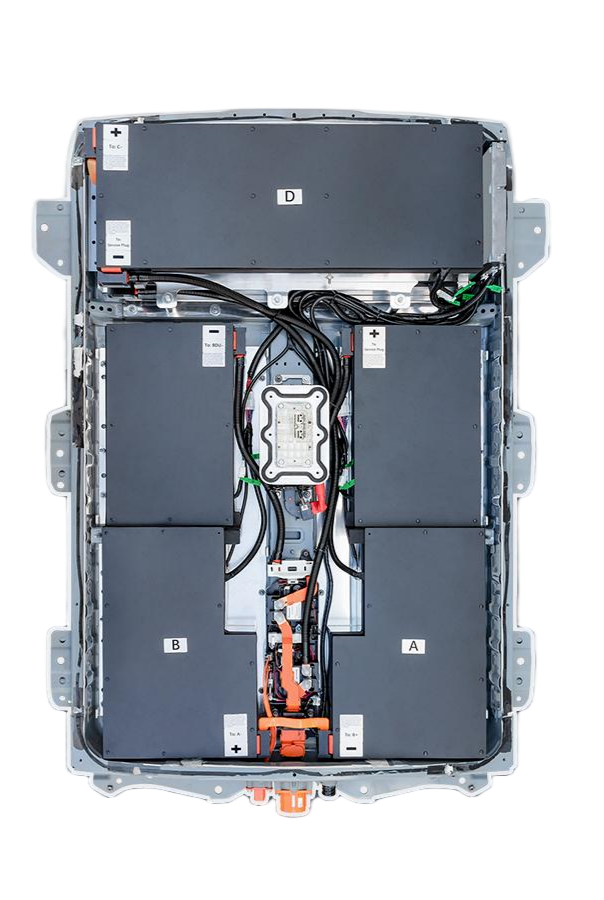
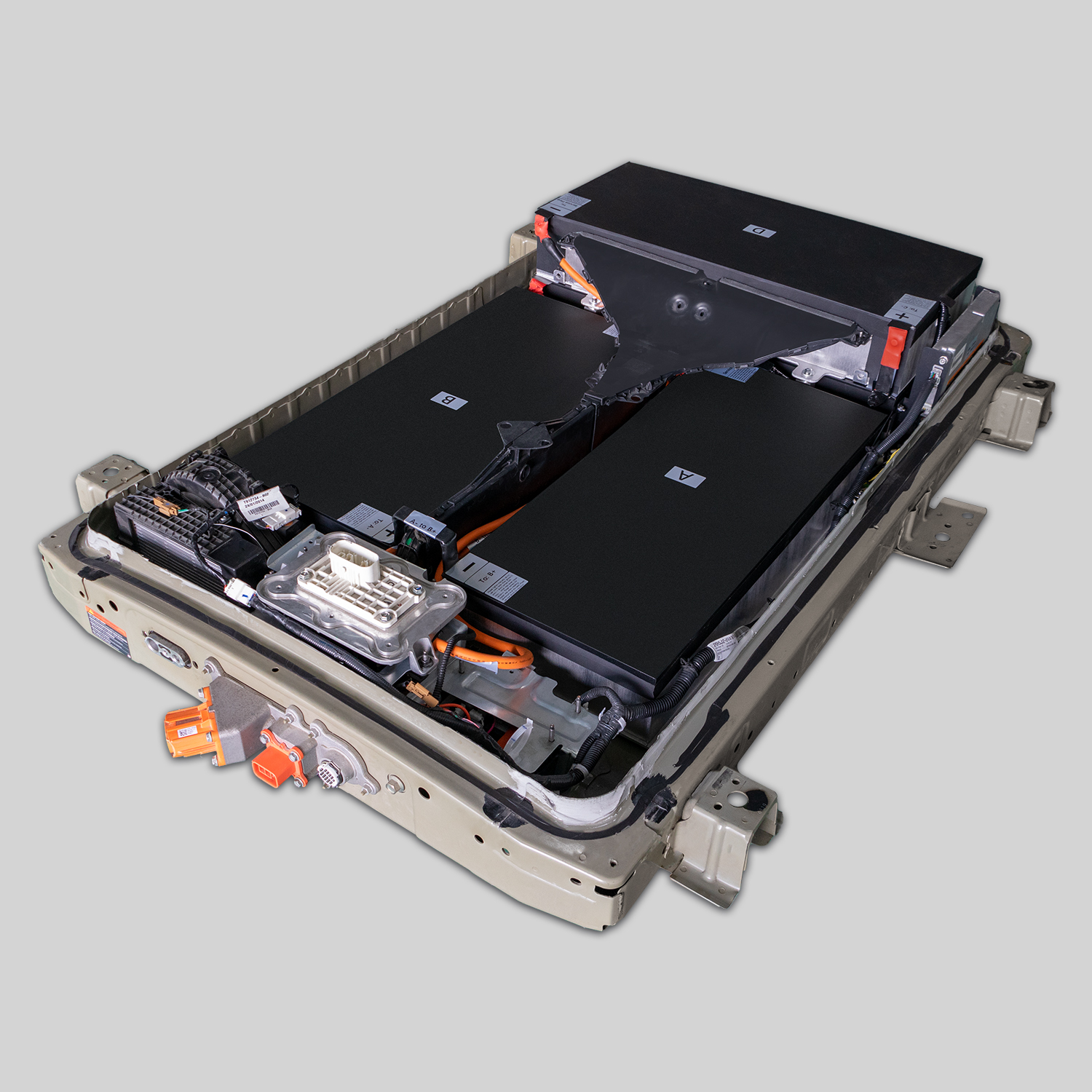
- Glycol inside the battery enclosure
- Saltwater intrusion from winter roads
- Degraded potting compound on busbars
⚠️ Critical insight: If external tests pass but the fault persists, the problem is almost certainly inside the pack.
🔧 Step-by-Step: Diagnosing True Isolation Resistance Failure
✅ Step 1: Confirm the Fault with Proper Tools
- Use a DC insulation tester rated ≥500V (AC testers give false readings on DC systems)
- Test at the service disconnect with pack isolated
- <200 kΩ = confirmed fault
✅ Step 2: Rule Out External Causes (Quick Checks)
- Inspect HV cables for abrasion near sharp edges
- Verify inverter and OBC housings are dry and sealed
- Check chassis ground straps for corrosion
📌 If all external components test >1 MΩ—the fault is internal.
✅ Step 3: Assess Internal Risk Without Full Disassembly
- Look for pink coolant residue on undertray or near pack vents
- Smell for sweet chemical odor (ethylene glycol)
- Review recent weather exposure (flooded roads, car washes)
🛑 Never assume “it’s fine” because the car drives. Isolation faults can be intermittent—and deadly.
✅ Step 4: The Only Safe Fix for Internal Isolation Failure: Full Pack Replacement
- Cleaning or drying is temporary—conductive paths remain
- No field repair restores dielectric integrity
- BMW and insurers require full replacement for safety compliance
✅ The CNS Defense: Built-In Isolation Integrity from Day One
CNS BMW i3 batteries are engineered to prevent isolation faults at the source:
✅ IP67-rated enclosure with double-lip seals
✅ Non-conductive ceramic coating on all HV busbars
✅ Moisture-absorbing desiccant packs inside housing
✅ Cooling plates laser-welded—no glycol leakage paths
✅ Pre-tested to >1 GΩ isolation before shipping
Result?
Zero reported isolation-related failures across global installations since 2023.
“We used to dread 2E3B codes. Now we say: ‘Your old pack let moisture in. This CNS unit is sealed like a submarine—no shorts, ever.’ Customer trust went through the roof.”
— Lisa K., Berlin
Frequently Asked Questions: BMW i3 Isolation Resistance
Q: Can a wet car cause this code?
A: Yes—if water enters the HV compartment (e.g., through damaged seals). But surface water usually evaporates; persistent faults mean internal contamination.
Q: Does CNS test isolation before shipping?
A: Yes—every pack undergoes 500V DC insulation test and must exceed 1 GΩ to pass.
Q: Can I drive with this fault?
A: Never. The car may limit power or shut down unexpectedly. Worse, touching the chassis during a fault could result in lethal shock.
Q: What’s the minimum safe resistance?
A: >200 kΩ for a 400V system. Below that, the risk escalates rapidly.
Q: Do temperature changes affect readings?
A: Yes—cold increases resistance, heat decreases it. Always test at 15–25°C for accuracy.
Low Isolation Resistance Isn’t a Glitch—It’s a Warning Shot
And the only professional response is validation, not dismissal.
Stop Clearing Codes That Could Save a Life—Start Installing CNS BMW i3 Batteries Engineered with Military-Grade Sealing, Non-Conductive Architecture, and Pre-Validated Isolation Integrity. Turn Fear Into Confidence, and Faults Into Closed Tickets.
Because safety isn’t optional—it’s your license to operate.
Get your CNS battery with guaranteed isolation performance today—and receive our free “BMW i3 Isolation Fault Diagnostic Protocol” with tester specs, safe depowering steps, and visual contamination guide:
👉 https://cnsbattery.com/ev-battery-home/ev-battery-contact/