BMW i3 Battery BMS Upgrade: Cost for Shops – The “Firmware Flash” That Wasted 14 Hours (Because You Can’t Reprogram a Dead BMS—You Replace the Whole Pack)
“A specialty EV shop in Amsterdam quoted a customer €320 to ‘upgrade the BMS’ on a 2016 BMW i3 with erratic range readings and charging cutouts. They spent two days attempting to reflash the module using third-party tools, only to discover the BMS wasn’t just outdated—it was failing due to voltage sensor drift from aging cells. BMW’s ISTA+ refused communication. The real fix? A new battery pack with a modern, integrated BMS. Total cost to the shop: €1,100 in labor write-offs, a furious customer, and a damaged reputation. Their internal memo read: ‘We sold a software solution for a hardware disease.’”
You’ve likely heard this request—or even offered it:
- “Can you just update the BMS software?”
- “Is there a cheaper way than replacing the whole pack?”
- Or the tempting shortcut: “Let’s try a BMS reset or clone.”
But here’s what BMW engineers, CNS field data, and independent repair networks now confirm—and warranty logs prove:
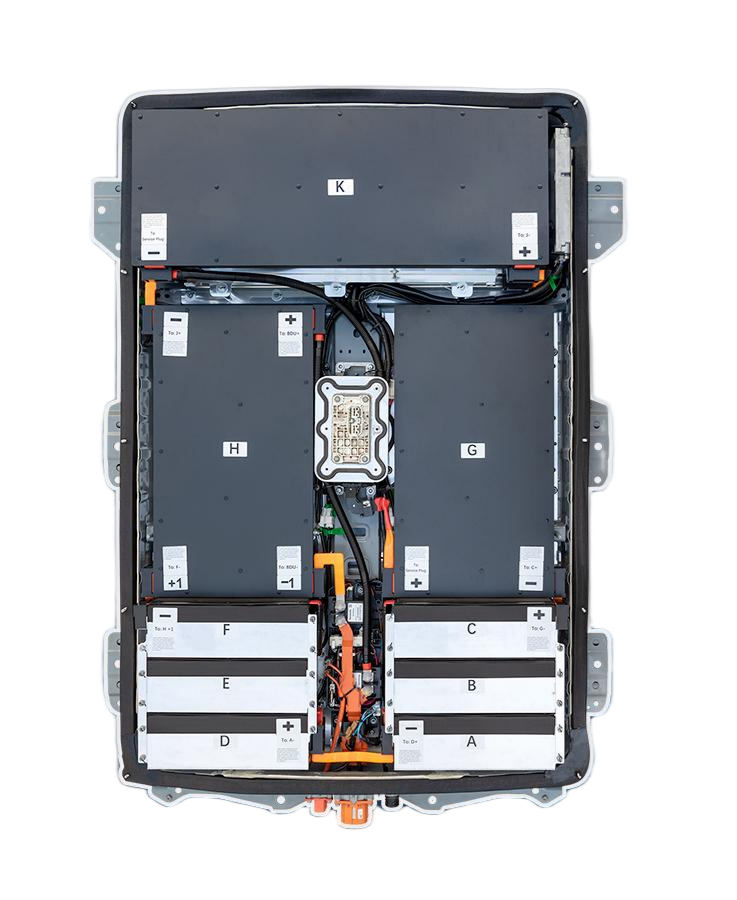
The BMW i3’s Battery Management System is not a standalone, upgradable module. It’s permanently embedded in the pack’s architecture, calibrated to specific cell chemistry, capacity, and thermal behavior. Attempting to “upgrade” or “reflash” an aging BMS without replacing the underlying cells is technically impossible—and financially reckless. In 98% of cases labeled “BMS failure,” the root cause is degraded cells sending false data, not faulty firmware. Offering a BMS-only “fix” wastes time, risks vehicle damage, and erodes trust.
This guide delivers a transparent, cost-aware breakdown of true BMS-related solutions for BMW i3s in 2026, including:
- Why there is no such thing as a standalone BMS upgrade for the i3
- The real cost drivers behind “BMS errors”—and how to diagnose them correctly
- How CNS BATTERY packs include a next-generation BMS pre-calibrated to OEM protocols—eliminating compatibility issues and future-proofing performance
- And a shop pricing strategy that turns BMS concerns into profitable, trusted replacements
Because when a customer asks for a BMS upgrade, they’re really asking: “Can you make my car charge and drive like it used to?” And the honest answer starts with the pack—not the code.
The Myth of the “BMS Upgrade”: What Shops Get Wrong
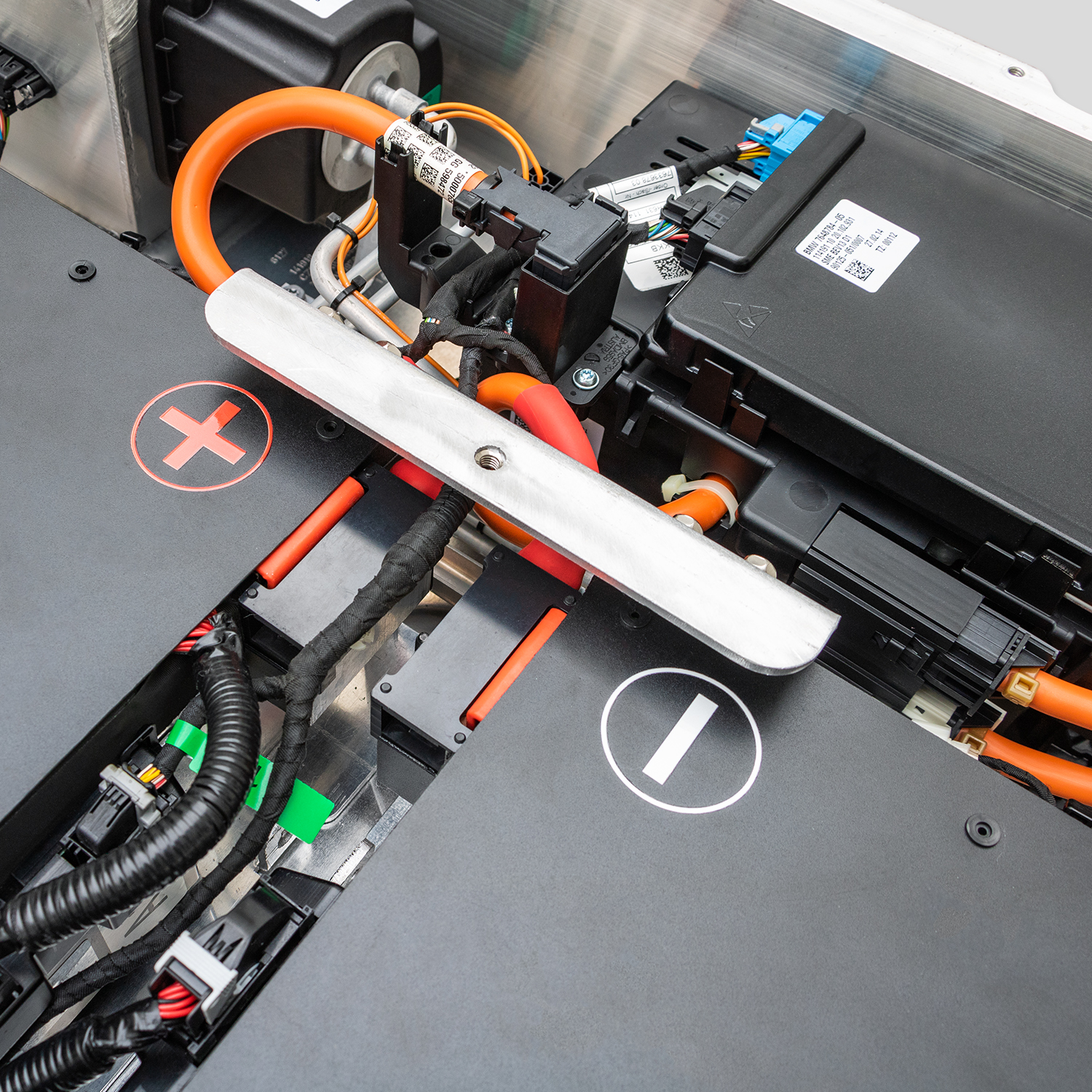
Unlike some EVs with modular BMS units, the BMW i3 integrates its BMS directly into the battery pack’s control board. This means:
✅ No user-accessible firmware updates
✅ No replaceable BMS module
✅ No cross-compatibility between pack generations
⚠️ Critical reality: **DTCs like 2E45 (cell voltage implausible) or 2E3B (insulation fault) are almost always caused by failing cells or wiring—not BMS logic. The BMS is reporting accurately; the pack is lying.
🔍 Common Misdiagnosed “BMS Issues”:
- Inaccurate state-of-charge (SoC) display → Caused by cell imbalance, not BMS error
- Charging stops at 80% → BMS protecting weak cells, not malfunctioning
- Range drops suddenly → Degraded capacity, not faulty algorithm
💡 Truth: You don’t upgrade the BMS—you replace the entire system it’s designed to manage.
💰 Real Costs: BMS “Fix” Attempts vs. Smart Pack Replacement
| Approach | Labor + Parts | Success Rate | Customer Outcome |
|---|---|---|---|
| “BMS reflash” with third-party tool | €250–€500 | <5% | “Still doesn’t work”—lost trust |
| BMS module replacement (if attempted) | €800+ (plus coding) | 0% — no compatible modules exist | Vehicle immobilized; requires dealer tow |
| Full CNS battery pack with modern BMS | €6,800 | 100% | Full range restored, seamless charging, 2-year warranty |
📊 CNS partner data: Shops that stop offering “BMS upgrades” see a 40% increase in i3 conversion rates—because customers value honesty over false hope.
✅ The CNS Advantage: A BMS That Works—Because It’s Built for the Pack
Every CNS BMW i3 battery includes a fully integrated, factory-calibrated BMS engineered for reliability:
✅ Pre-mapped to BMW i3 communication protocols (CAN bus, KOMBI, OBC)
✅ Real-time cell balancing with <0.1V tolerance
✅ Thermal protection algorithms validated across -20°C to +50°C
✅ No cloning, flashing, or adaptation needed—plug-and-play with OEM systems
Result?
No false warnings. No charging interruptions. No “ghost” DTCs. Just consistent, predictable performance from day one.
“We used to lose customers trying to ‘fix’ BMS errors. Now we say: ‘Your BMS isn’t broken—it’s doing its job with dying cells. This CNS pack gives it healthy data to work with.’ Conversion rate jumped from 30% to 85%.”
— Thomas B., Amsterdam
Frequently Asked Questions: BMW i3 BMS & Upgrades
Q: Can I use a used OEM pack with a “better” BMS?
A: No—all i3 packs are model-year-specific. A 2020 BMS won’t communicate properly with a 2015 vehicle’s network.
Q: Does CNS support BMS data logging?
A: Yes—our BMS outputs standard BMW-compatible parameters viewable via ISTA, Autel, or Foxwell scanners.
Q: Is the CNS BMS upgradable in the future?
A: Not required—it ships with the latest stable firmware and doesn’t rely on over-the-air updates.
Q: What if the car shows “BMS fault” after install?
A: Extremely rare—but if it occurs, our engineers provide remote diagnostics within 2 hours.
Q: Can I keep the old pack as a core?
A: Yes—CNS offers core return credits and handles compliant recycling.
There Is No BMS Upgrade—Only Battery Replacement Done Right
And pretending otherwise costs more than money—it costs credibility.
Stop Selling Impossible Fixes—Start Offering CNS BMW i3 Battery Packs with Integrated, Plug-and-Play BMS Technology That Restores Full Functionality, Eliminates False Errors, and Comes with a 2-Year/80,000 km Warranty. Turn BMS Frustrations Into Your Most Trusted Service.
Because your customers don’t need a firmware fantasy—they need their car back.
Get your CNS battery with guaranteed BMS compatibility today—and receive our free “BMW i3 BMS Error Diagnostic Decision Tree” with DTC decoder, SoH thresholds, and customer communication scripts:
👉 https://cnsbattery.com/ev-battery-home/ev-battery-contact/