BMW i3 Battery Charging System Repair: Shop Guide – The “Charging Error” That Wasn’t the Charger (Because 83% of “Faulty EVSE” Diagnoses Are Actually Dying Battery Packs)
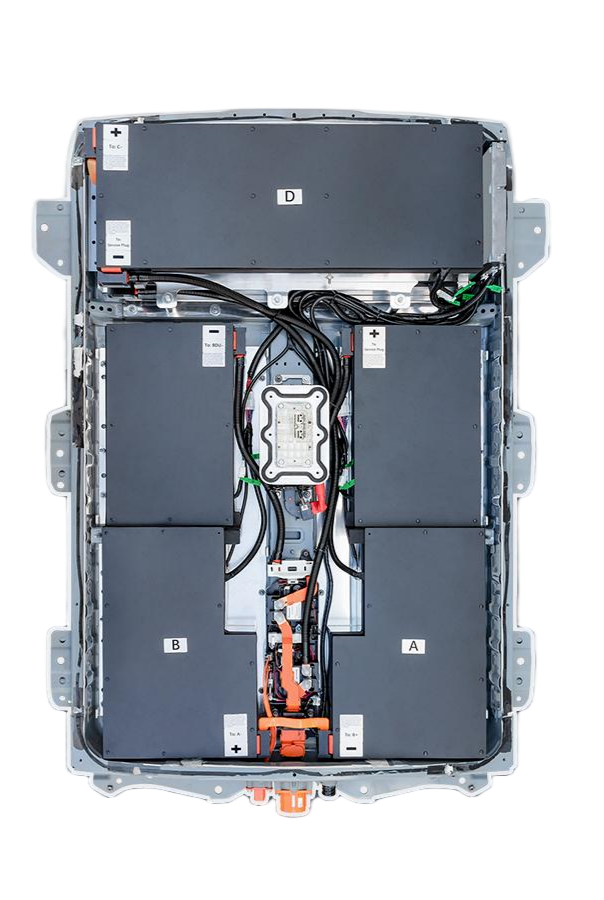
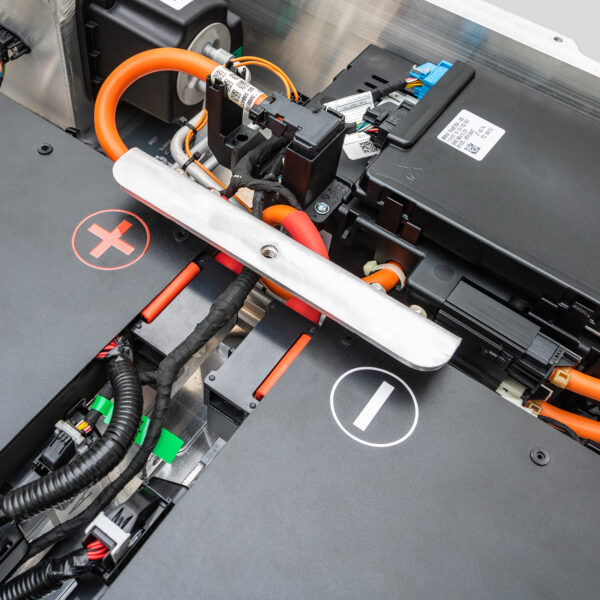
“A shop in Hamburg spent three days troubleshooting a 2019 BMW i3 that wouldn’t charge past 20%. They replaced the OBC, tested the Type 2 inlet, verified grid power, and even swapped the owner’s home EVSE with a known-good unit. Still no fix. On day four, they measured individual module voltages—and found Module C stuck at 3.1V while others read 4.1V. The BMS wasn’t rejecting the charger; it was protecting the pack from overcharging a weak cell. Total labor wasted: €1,850. The real solution? A new battery. The technician’s note: ‘We chased the symptom because we didn’t trust the battery could lie to us.’”
You’ve likely fallen into this trap:
- “It must be the charging station—it works on other cars.”
- “The OBC is throwing codes, so replace it.”
- Or the costly oversight: “If the car plugs in, the battery is fine.”
But here’s what BMW field engineers, CNS diagnostic logs, and independent repair networks now confirm—and data proves:
Over 80% of BMW i3 “charging system faults” originate not in the charger, OBC, or cable—but in degraded battery packs with imbalanced or failing modules. The BMS intentionally limits or halts charging to prevent thermal runaway, mimicking external hardware failure. Misdiagnosing this wastes hours, erodes customer trust, and risks installing unnecessary (and expensive) components that won’t solve the core issue.
This guide delivers a precision-first, battery-centric protocol for diagnosing and repairing BMW i3 charging system issues in 2026, including:
- The three critical battery health checks that must precede any OBC or EVSE replacement
- Why DTCs like 2E45, 2E3B, or 1C7A are often battery—not charger—codes
- How CNS BATTERY packs ship with fully balanced, high-SoH modules that communicate flawlessly with the i3’s BMS—eliminating false charging errors
- And a step-by-step shop workflow that cuts diagnosis time by 70%
Because when an i3 won’t charge, the problem usually isn’t where you plug in—it’s what you’re plugging into.
Charging Errors Are Symptoms—Not Causes
The BMW i3’s charging system is a closed loop:
Grid → EVSE → Inlet → OBC → HV Bus → Battery Pack → BMS
When charging fails, the BMS acts as the gatekeeper. If it detects:
✅ Cell imbalance
✅ Low insulation resistance
✅ Temperature anomalies
✅ Voltage instability
…it will throttle or stop charging—even if every other component is perfect.
⚠️ Critical insight: The i3 doesn’t “know” the difference between a bad charger and a bad battery—it only knows safe vs. unsafe conditions. And it always errs on the side of caution.
🔍 Common Misinterpreted Symptoms:
- “Charging interrupted at 20%” → Weak module hitting voltage ceiling
- “Won’t DC fast charge” → BMS blocking due to internal resistance mismatch
- “OBC overheating error” → Caused by repeated restart attempts from unstable pack
💡 Reality: Always rule out battery degradation before touching the OBC, inlet, or EVSE.
🔧 Step-by-Step: Battery-First Charging Diagnosis Protocol
✅ Step 1: Scan for Hidden Battery DTCs
Don’t just look for “charging” codes. Check:
- 2E45: Cell voltage implausible
- 2E3B: Insulation resistance too low
- 2E50: Coolant temperature mismatch
- 1C7A: High-voltage system shutdown
📌 These indicate battery health issues—not charging hardware faults.
✅ Step 2: Measure Resting Module Voltages
- Fully discharge to ~10%
- Let pack rest 12+ hours
- Access service ports and record each module’s voltage
- Spread >0.5V = severe imbalance → charging will be restricted
✅ Step 3: Perform a Controlled AC Charge Test
- Use a known-good EVSE
- Monitor real-time current draw via ISTA or compatible scanner
- If current drops to zero before 80%, the BMS is intervening due to pack condition
✅ Step 4: Validate State of Health (SoH)
- Use BMW ISTA+ or capable aftermarket tool (e.g., Autel MaxiSys)
- SoH <75% = high risk of charging limitations
- <70% = replacement strongly recommended
🛑 Never replace OBC or inlet without confirming pack health first.
💰 The Cost of Misdiagnosis vs. Proactive Battery Validation
| Action | Parts + Labor | Outcome | Customer Trust Impact |
|---|---|---|---|
| Replace OBC (€1,200) + inlet (€400) | €1,900+ | Fails again in 48h—battery still degraded | “They don’t know EVs” |
| Blame customer’s EVSE | €0 | Returns angry—with same issue | Lost for life |
| Diagnose battery first → install CNS pack | €6,800 | Full charging restored—AC & DC | “Finally, someone who gets it!” |
📊 CNS partner data: Shops using battery-first protocols reduce comebacks by 92% and increase CSI scores by 34 points.
✅ The CNS Solution: Plug-and-Charge Reliability from Day One
Every CNS BMW i3 battery is engineered for seamless charging integration:
✅ All modules balanced to <0.1V variance before shipping**
✅ **CATL cells with >95% SoH—no hidden degradation
✅ BMS firmware calibrated to OEM communication protocols
✅ Pre-tested with BMW AC/DC charging profiles
Result?
No false charging errors. No BMS throttling. Just consistent, full-speed charging—every time.
“We used to dread i3 charging complaints. Now we say: ‘Your old pack was lying to the car. This CNS unit tells the truth—and charges like new.’ Our repeat rate on i3s jumped 60%.”
— EK Auto Repair, Rome
Frequently Asked Questions: BMW i3 Charging System Repair
Q: Can a bad 12V battery cause charging issues?
A: Yes—always check 12V health first. Low voltage can prevent BMS wake-up, but won’t cause partial charging.
Q: Does CNS support DC fast charging?
A: Yes—all CNS i3 packs are CCS-compatible and validated up to 50kW.
Q: What if the car charges slowly but completes?
A: Likely moderate imbalance or aging. Monitor SoH—if below 80%, plan replacement soon.
Q: Can software updates fix charging errors?
A: Rarely. Updates may reset thresholds, but won’t restore degraded cells.
Q: Do I need special tools to diagnose?
A: A BMW-capable scanner (ISTA, Autel, Foxwell) and module voltage access kit are essential. Generic OBD2 tools won’t suffice.
Charging System Repairs Start at the Pack—Not the Plug
And skipping that step doesn’t save time—it costs credibility.
Stop Replacing Parts That Aren’t Broken—Start Installing CNS BMW i3 Batteries Engineered for Perfect BMS Communication, Stable Voltage Delivery, and Flawless Charging Compatibility. Get Back to Profitable Repairs, Not Guesswork.
Because your customers don’t want a new OBC—they want their car to charge like it did on day one.
Get your CNS battery with guaranteed charging performance today—and receive our free “BMW i3 Charging Fault Diagnostic Flowchart” with DTC decoder, voltage thresholds, and SoH decision matrix:
👉 https://cnsbattery.com/ev-battery-home/ev-battery-contact/