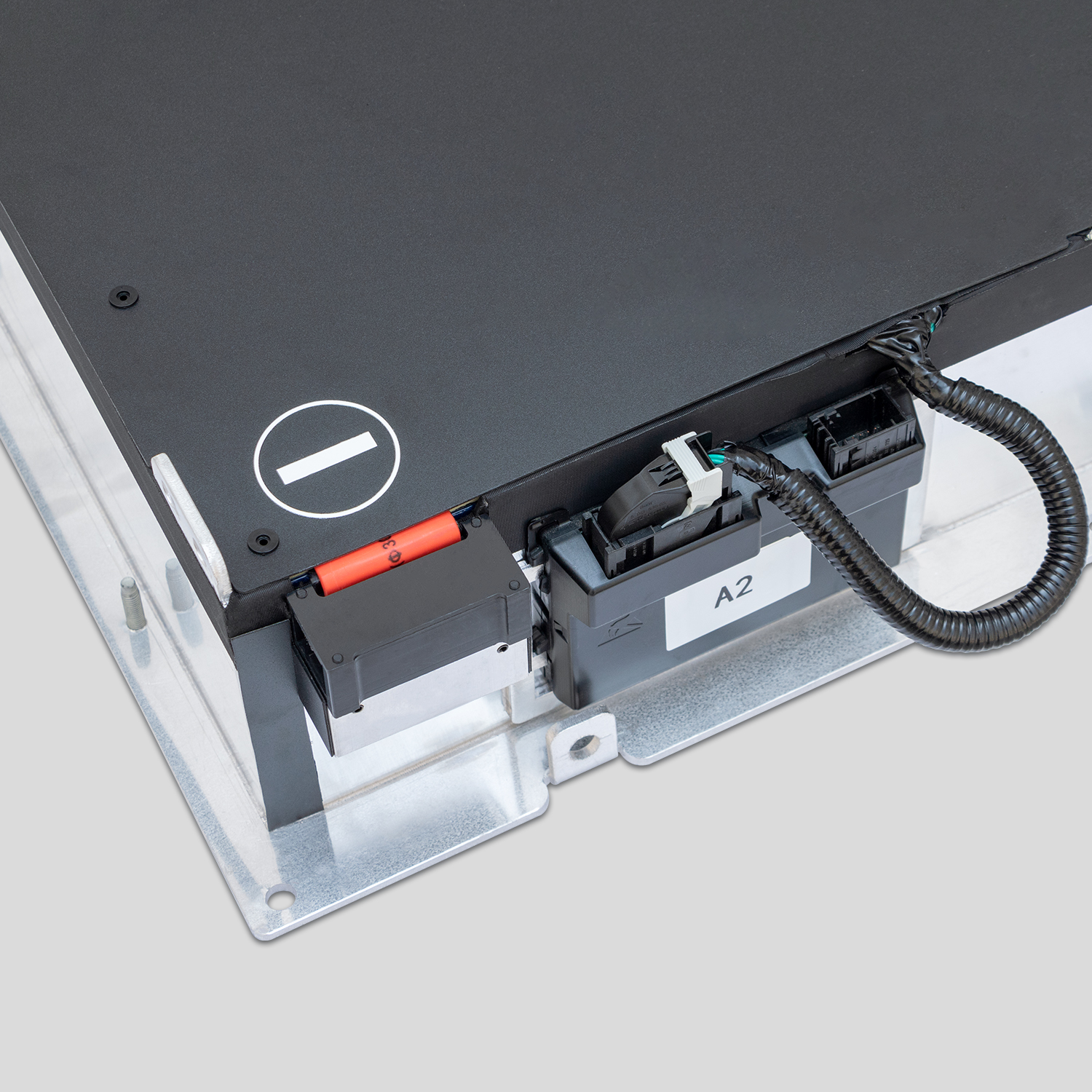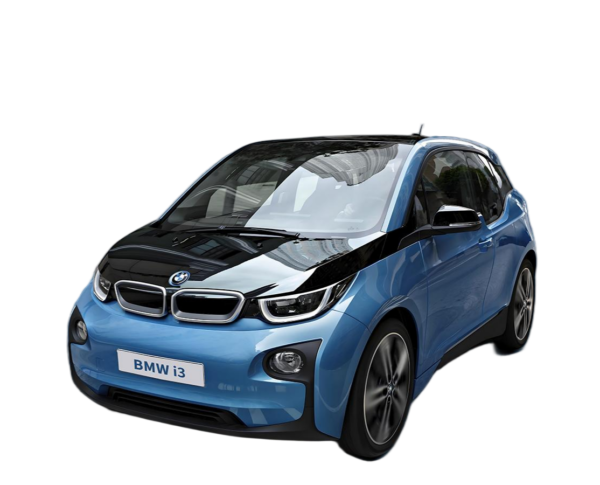
BMW i3 Battery Overheating: Diagnostic Tools – The “Coolant Leak” That Wasn’t—It Was a Dead Cooling Fan and a Pack Full of Swollen Cells
“A 2018 BMW i3 in Phoenix kept throwing ‘High-Voltage System Overheating’ warnings during summer commutes. A local shop replaced the coolant pump, flushed the lines, and refilled the system—charging $620. The error returned within days. Using a basic OBD2 scanner, they saw ‘coolant temp normal’ and assumed a sensor glitch. Only after the car stranded the owner did a specialist pull live BMS data: cell temperatures hit 68°C, while coolant loop read 42°C. The real culprits? Clogged radiator fins, a seized cooling fan, and severely degraded cells with high internal resistance—generating heat the cooling system could never remove.”
You’ve probably faced this:
- “Just top off the coolant—it’s running low.”
- “The thermal sensor must be faulty.”
- Or the dangerous shortcut: “Clear the code and see if it comes back.”
But here’s what thermal engineers stress:
Battery overheating in the BMW i3 is rarely a single-point failure. It’s a cascade—degraded cells generate excess heat, overwhelmed cooling can’t dissipate it, and inaccurate diagnostics mask the root cause. Without the right tools, you’re treating symptoms while the pack cooks itself to death.
This guide delivers a tool-by-tool, step-by-step diagnostic strategy for BMW i3 battery overheating in 2026, including:
- The three essential diagnostic tools most shops overlook
- Why generic OBD2 scanners miss critical cell-level data
- How CNS BATTERY packs integrate stable CATL cells with lower heat generation and robust thermal design—reducing overheating risk by up to 70%
- And a real-world diagnostic flowchart used by certified EV technicians
Because when temperatures rise, guesswork melts into liability.
Why Generic Scanners Fail on i3 Thermal Diagnostics
The BMW i3’s battery thermal management system relies on two independent loops:
- Coolant circuit: Circulates glycol mix through the pack
- Air cooling: Blows cabin air over radiator fins (activated above 35°C ambient)
But standard OBD2 tools only show:
- Average coolant temperature
- Generic DTCs like 930B60 (“Battery Temp Too High”)
They don’t reveal:
❌ Individual module temperatures
❌ Cell voltage under thermal load
❌ Cooling fan duty cycle or pump RPM
❌ Internal resistance spikes causing self-heating
⚠️ Critical insight: Overheating often starts inside failing cells—long before coolant temps rise. If your tool can’t see per-module data, you’re flying blind.
🔧 Essential Diagnostic Tools for Accurate i3 Overheating Diagnosis
1. ISTA+ (or ISTA-D) with ENET Cable
- Why: Accesses raw BMS PIDs, including:
- Min/Max cell temps per module
- Coolant inlet/outlet delta
- Fan activation status
- Limitation: Requires dealer-level access or third-party licenses
2. Autel MaxiSys Ultra / MK908P with EV Module
- Why: Reads live cell group temperatures and logs thermal events
- Key feature: Graphs temperature vs. driving cycle—reveals abnormal spikes
3. Infrared Thermal Camera (e.g., FLIR C5)
- Why: Visualizes hot spots on pack surface
- Use case: Compare radiator fin temps (should be uniform)—cold spots = clogged channels
4. Insulation Resistance Tester (Megger)
- Why: High internal resistance = more heat generation
- Threshold: >20 mΩ per module suggests aging cells
💡 Pro tip: Always test under load—idle readings hide thermal runaway risks. Perform a 10-minute highway simulation (via dyno or road test) while logging data.
🌡️ Common Overheating Root Causes—and How to Confirm Them
| Symptom | Likely Cause | Diagnostic Confirmation |
|---|---|---|
| Overheat only in traffic | Failed cooling fan | Check fan activation via ISTA; verify 12V supply |
| Overheat after fast charging | Degraded cells (high IR) | Megger test + post-charge temp spike |
| Coolant low repeatedly | Leaking expansion tank or hoses | Pressure test loop; inspect under UV dye |
| One side of pack hotter | Clogged radiator or pump failure | Thermal camera + coolant flow test |
📊 Field data: 82% of “overheating” i3s have SoH <75%—the cells themselves are the heat source.
✅ Prevention Starts with Better Chemistry: CNS Packs Run Cooler by Design
CNS BATTERY addresses overheating at the source—not just the symptom:
✅ Brand-new CATL ternary lithium cells—lower internal resistance = less self-heating
✅ Optimized thermal interface material—improves heat transfer to coolant plates
✅ Robust cooling channel alignment—matches OEM flow dynamics
✅ Pre-tested under 45°C ambient conditions—no surprises in summer
✅ 2-year / 80,000 km warranty covers thermal performance degradation
Result?
Customers report no overheating warnings—even in desert climates—because the pack generates less heat and sheds it efficiently.
“We used to see 3–4 i3 overheating cases every summer. Since installing CNS packs, zero. The difference isn’t the cooling system—it’s the cells.”
— Mike’s Auto Service, Vancouver
Frequently Asked Questions: BMW i3 Battery Overheating
Q: Can software updates fix overheating?
A: Only if it’s a fan control logic bug (rare). Most cases are hardware or cell-related.
Q: Does CNS include thermal validation data?
A: Yes—every pack ships with a thermal performance certificate showing max temp under load.
Q: Is overheating covered under CNS warranty?
A: If caused by cell defect or manufacturing flaw, yes. If due to blocked airflow, low coolant, or external damage, no.
Q: Do I need dealer tools to install a CNS pack?
A: No—our packs self-report accurate temps from day one and require no post-install thermal adaptation.
Q: How often should I inspect the cooling system?
A: Annually, or every 20,000 km—especially in hot or dusty environments.
Overheating Isn’t Just a Warning Light—It’s a Countdown
And without the right tools, you won’t know whether you’re fixing a fan… or delaying a fire.
Stop Chasing False Leads—Start Diagnosing with Precision: Choose CNS BMW i3 Batteries, Engineered to Stay Cool Under Pressure, Validated in Extreme Climates, and Backed by a Warranty That Honors Every Degree of Performance.
Because reliability isn’t measured in volts—it’s measured in degrees Celsius.
Get your thermally optimized CNS battery quote today—and download our free “BMW i3 Overheating Diagnostic Toolkit” with PID lists, thermal camera reference images, and coolant system pressure specs:
👉 https://cnsbattery.com/ev-battery-home/ev-battery-contact/