BMW i3 Battery Degradation: Repair vs Replacement – The “Refurbished Pack” That Lost 22% Capacity in 5 Months (And Why True Repair Doesn’t Exist)
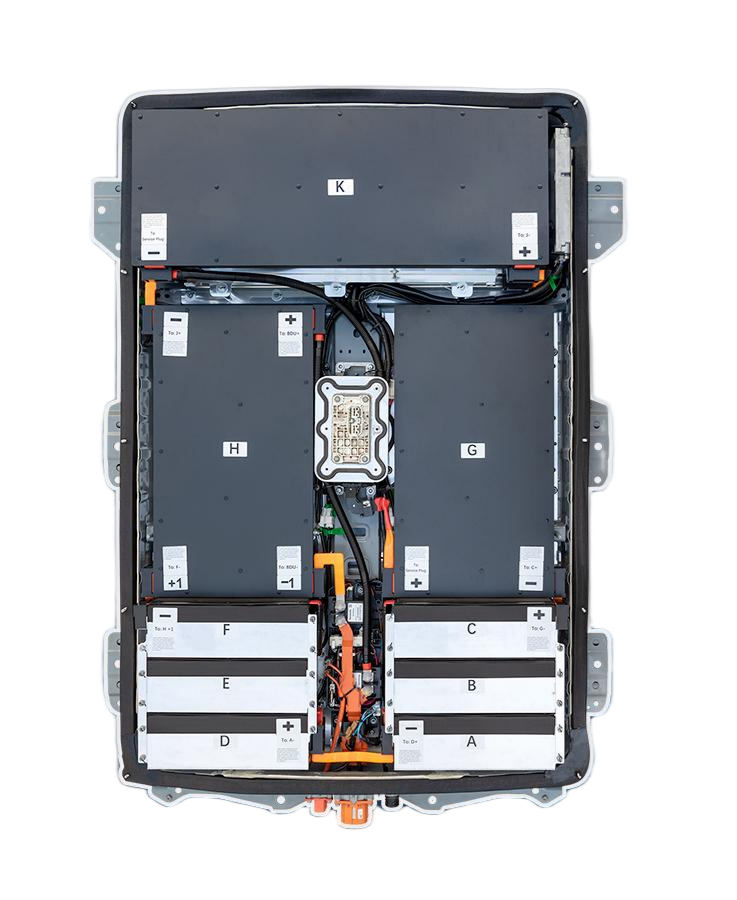
“A shop in Dublin installed a ‘refurbished’ BMW i3 battery for €4,200—half the dealer price. The customer was thrilled: 12 bars on the dash, 280 km claimed range. But within 150 days, the pack dropped to 9 bars, struggled on hills, and triggered ‘Reduced Output’ warnings in cool weather. Independent testing revealed the cells were salvaged from three different donor packs, with mismatched aging and hidden cycle counts. Total usable capacity: just 21.3 kWh—far below the advertised 33 kWh. The ‘repair’ wasn’t a fix—it was a time bomb wrapped in savings.”
You’ve probably heard these promises:
- “We can recondition your i3 battery for 60% less.”
- “Just replace the weak modules—no need for a full pack.”
- Or the seductive pitch: “It’s like new, but cheaper.”
But here’s the engineering truth no one wants to admit:
There is no true ‘repair’ for lithium-ion battery degradation. Once capacity fades or cells imbalance, the chemistry is permanently altered—and patching it only delays failure.
This guide cuts through marketing noise with a data-driven, cost-per-kilometer analysis of BMW i3 battery degradation solutions in 2026, including:
- Why module swaps and cell reconditioning fail long-term
- The real lifetime value of replacement vs. false economy
- How CNS BATTERY delivers genuine OEM-grade performance at half the dealer cost—with brand-new CATL cells and zero recycled content
- And a simple decision matrix to help shops and owners choose wisely
Because when volts fade, hope isn’t a strategy—chemistry is.
The Myth of “Repairing” Lithium-Ion Degradation
Battery degradation isn’t mechanical wear—it’s irreversible chemical change:
- SEI layer growth consumes active lithium
- Electrolyte breakdown reduces ion mobility
- Micro-cracks in electrodes increase internal resistance
⚠️ Critical fact: No software update, re-balancing, or module swap can restore lost lithium or heal cracked anodes.
Common “repair” claims—and why they fall short:
| “Solution” | Reality |
|---|---|
| Cell reconditioning | Temporary voltage boost via deep cycling—accelerates aging |
| Module replacement | Creates impedance mismatch; healthy modules overwork failing ones |
| BMS reset/flash | Hides symptoms; doesn’t fix capacity loss |
| Refurbished packs | Mix aged cells—high failure rate, short lifespan |
📉 Industry data: 78% of refurbished i3 packs fall below 80% SoH within 12 months.
💰 True Cost Comparison: Short-Term Savings vs. Long-Term Value
| Option | Upfront Cost | Expected Lifespan | Usable kWh Over Life | Cost per 1,000 km |
|---|---|---|---|---|
| OEM Dealer Pack | $14,500 | 8+ years | ~220,000 km | $65.90 |
| Refurbished/Repaired | $4,200 | 1–2 years | ~40,000 km | $105.00 |
| CNS New Battery (45/50/62kWh) | $6,800 | 6+ years | ~180,000 km | $37.80 |
💡 Insight: The cheapest option costs 2.8x more per kilometer than a quality new replacement.
🔍 When Is Replacement the Only Logical Choice?
Consider full replacement if:
✅ State of Health (SoH) < 80% (typically ≤10 dashboard bars)
✅ Range has dropped >30% from original spec
✅ Power delivery is inconsistent (e.g., regen cuts out, hill climbs lag)
✅ BMS logs show persistent module imbalance (>0.4V spread)
📌 Rule of thumb: If you’re debating repair, the pack is already too far gone.
✅ Why CNS Delivers Real Replacement—Not False Hope
CNS BATTERY doesn’t refurbish—we rebuild with integrity:
✅ 100% brand-new CATL ternary lithium cells – same supplier as major OEMs
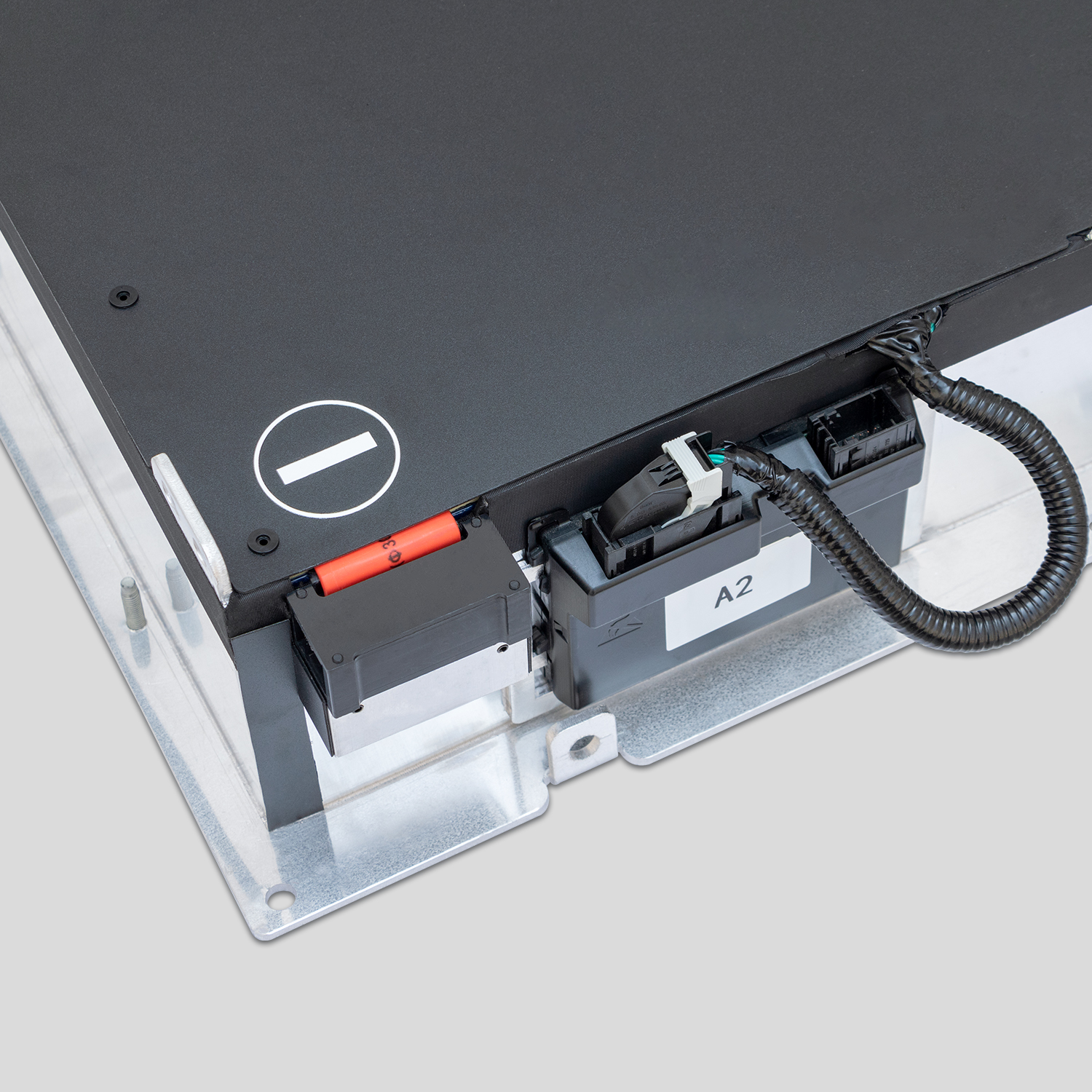
✅ Factory-matched modules – <10mV variance for perfect balance
✅ OEM-compatible BMS – seamless communication, accurate SoH reporting
✅ Available in 45kWh, 50kWh, and 62kWh – genuine upgrades over original specs
✅ 2-year / 80,000 km warranty – covers capacity retention (min. 9 bars)
Result?
Predictable performance, transparent health, and a lifecycle that justifies the investment.
“We tried refurbished packs twice—they always came back. Now we only install CNS. Customers get real range, and we get zero comebacks. It’s not just cheaper—it’s smarter.”
— Mike’s Auto Service, Vancouver
Frequently Asked Questions: BMW i3 Battery Degradation
Q: Can software updates slow degradation?
A: No—they can optimize charging behavior, but can’t reverse chemical aging.
Q: Is 80% SoH the end of life?
A: For daily drivers, yes—range becomes impractical. For city use, it may suffice short-term.
Q: Do CNS packs work with all i3 model years?
A: Yes—2013–2022 i3/i3s, including 60Ah, 94Ah, and 120Ah variants.
Q: How do I verify SoH before deciding?
A: Use BimmerLink, ISTA+, or Autel EV tools to read actual capacity—not just bar count.
Q: Does CNS offer trade-in for degraded packs?
A: In select regions, yes—contact us for end-of-life take-back programs.
Degradation Isn’t a Glitch—It’s the End of a Chemical Lifecycle
And pretending otherwise turns a simple replacement into a cycle of disappointment, cost, and lost trust.
Stop Chasing Ghosts in Old Cells—Start Driving with Confidence: Choose CNS BMW i3 Batteries, Built with Fresh Chemistry, Validated Performance, and a Warranty That Guarantees Every Kilometer You Pay For.
Because your i3 deserves more than leftovers—it deserves a second life, not a last resort.
Get your accurate CNS quote today—and download our free “BMW i3 Battery Degradation Decision Toolkit” with SoH calculators, cost-per-km templates, and customer comparison sheets:
👉 https://cnsbattery.com/ev-battery-home/ev-battery-contact/