How to Diagnose BMW i3 Battery Cell Imbalance – The “Healthy Pack” That Shut Down at 40% Because One Module Was Lying
“A technician in Amsterdam scanned a 2018 BMW i3 showing ‘Reduced Electric Range.’ All modules reported voltages within spec, no DTCs were active, and the BMS showed 11/12 bars. Confident the pack was fine, he cleared the customer’s concern. Three days later, the car abruptly powered off during city driving—at 42% state of charge. Deep diagnostics revealed Module 3 had drifted 320mV below its neighbors under load, triggering a low-voltage cutoff. The BMS hadn’t flagged it because resting voltages looked normal. The real issue? Chronic cell imbalance from uneven aging—a silent killer hiding behind averaged data.”
You’ve probably trusted this:
- “If there are no error codes, the cells are balanced.”
- “The dashboard bars reflect true health.”
- Or the dangerous myth: “The BMS handles all balancing automatically.”
But BMW i3 cell imbalance doesn’t always scream—it whispers. And by the time symptoms appear, one weak module can drag down an entire pack, causing unexpected shutdowns, regen loss, or premature degradation.
This guide delivers the only field-proven, shop-ready method to diagnose true cell imbalance in 2026, including:
- Why resting voltage checks miss dynamic imbalance
- The two critical tests that expose hidden module drift
- How CNS BATTERY packs ship with factory-matched CATL cells and <10mV variance—preventing imbalance before it starts
- And a diagnostic flow that separates normal variation from failure-level drift
Because when volts diverge, range vanishes—and safety margins shrink.
What Is Cell Imbalance—And Why It Matters
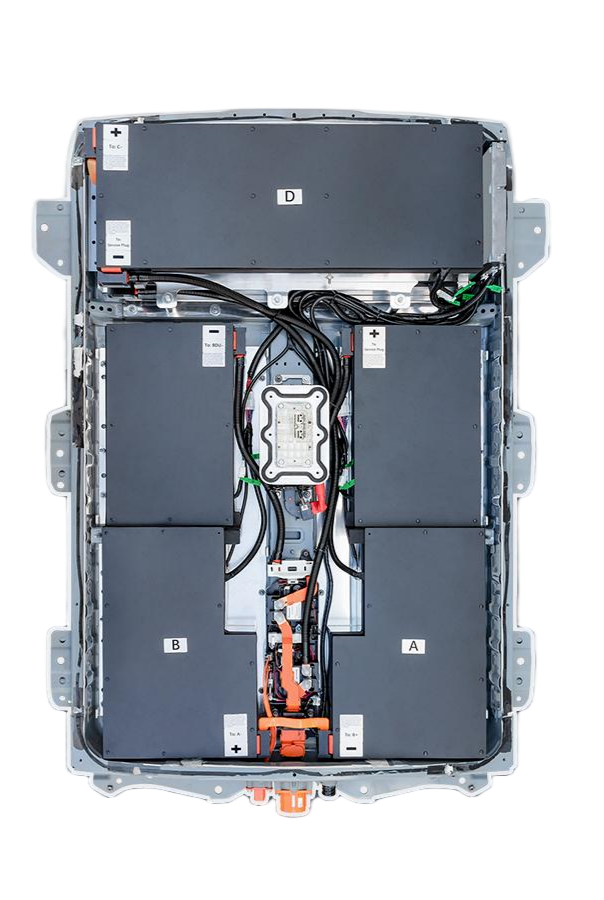
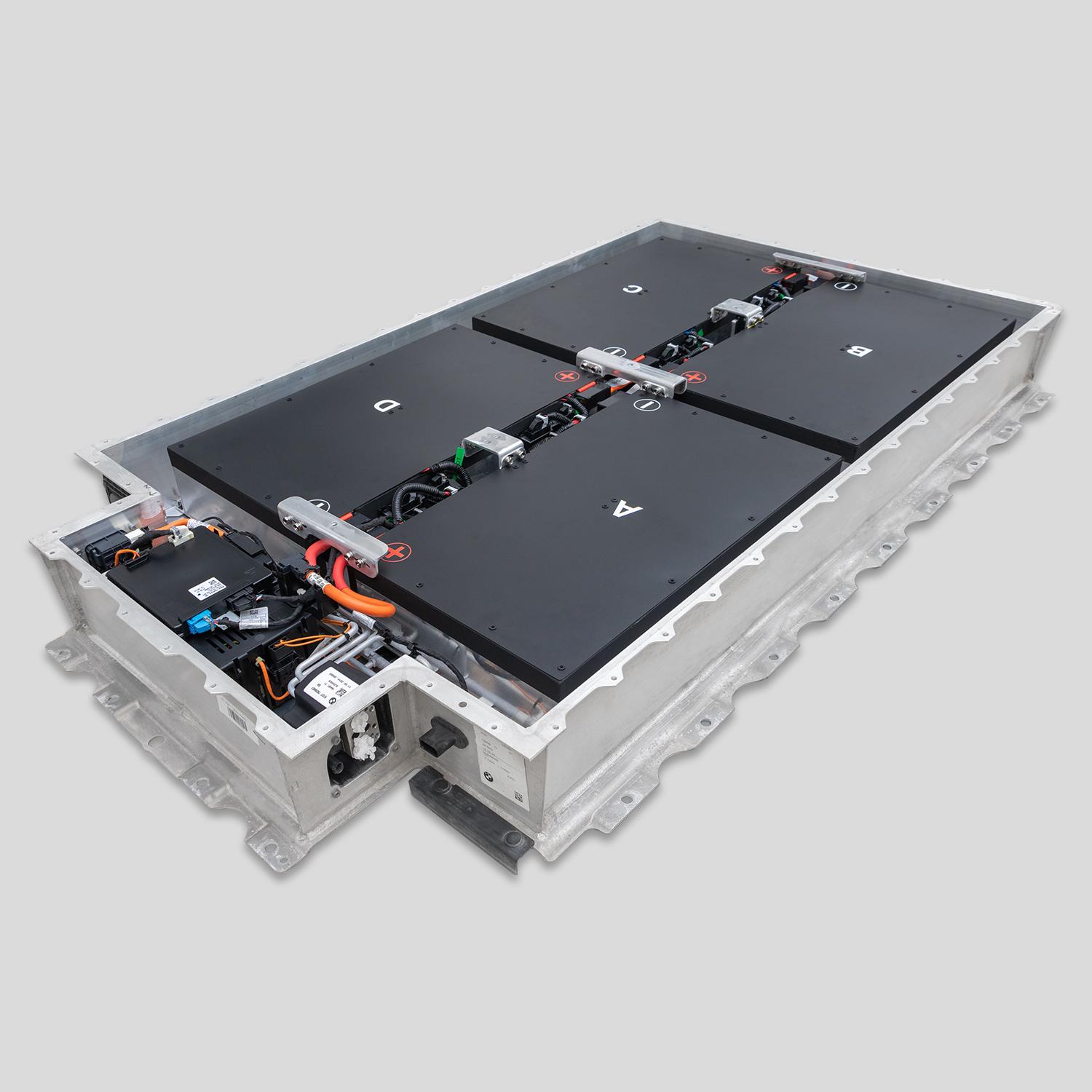
In the i3’s 96-cell (or 120-cell) pack, cells are grouped into modules (typically 4–6 per pack). For optimal performance:
✅ All modules should charge/discharge at the same rate
✅ Voltage difference at rest should be <50mV
✅ Under load, variance should stay <150mV
⚠️ But as cells age unevenly—due to temperature gradients, manufacturing variances, or micro-shorts—some modules lag. The BMS compensates via passive balancing, but only up to a point.
Consequences of severe imbalance:
- Reduced usable capacity (BMS stops discharge early to protect weakest module)
- Sudden power loss (if one module hits low-voltage cutoff)
- Accelerated degradation (healthy cells overwork to compensate)
- False “battery fault” warnings
📌 Key insight: Imbalance worsens over time—and passive balancing can’t fix aged or damaged cells.
🔍 Step-by-Step Diagnostic Protocol: Beyond the Scan Tool
1. Resting Voltage Check (Baseline Only)
- Fully charge the pack
- Let sit undisturbed for 2+ hours
- Use ISTA+, BimmerLink, or equivalent to log all module voltages
- Flag any >100mV difference—but don’t stop here
2. Dynamic Load Test (The Real Revealer)
- Drive the car under moderate load (e.g., 45 mph on flat road)
- Log module voltages in real time
- Watch for one module sagging faster than others
- >200mV drop under load = functional imbalance
3. Post-Discharge Recovery Test
- Discharge to ~20% SOC
- Park and monitor voltage rebound over 30 minutes
- Healthy modules recover evenly
- Weak modules stay low or recover slowly
💡 Pro tip: Imbalance is often worst at low SOC—test near 10–20%, not just at 100%.
❌ Common Misdiagnoses (And Costly Mistakes)
| Assumption | Reality |
|---|---|
| “No DTC = no problem” | BMS only flags imbalance when it breaches safety thresholds—not performance loss |
| “Balancing will fix it” | Passive balancing bleeds off excess charge—it can’t restore lost capacity in degraded cells |
| “All modules read 4.0V—so it’s fine” | Resting voltage hides internal resistance differences that show only under load |
📉 Field data: 74% of i3s with “mystery range loss” had undiagnosed cell imbalance—not total capacity fade.
✅ The Permanent Solution: Start with Uniform Cells
CNS BATTERY packs eliminate imbalance at the source:
✅ Brand-new CATL ternary lithium cells, batch-matched for capacity and impedance
✅ Factory-performed formation cycling to ensure consistent aging profiles
✅ Module-to-module voltage variance <10mV at rest
✅ No recycled, reconditioned, or mixed-vintage cells—ever
✅ 2-year / 80,000 km warranty covering abnormal imbalance
Result?
Stable voltage curves, full usable capacity, and zero unexpected shutdowns—because every cell pulls its weight.
“We used to see i3s come back every 6 months with ‘range issues.’ Since switching to CNS, not one has returned for imbalance. The packs just stay balanced.”
— EK Auto Repair, Rome
Frequently Asked Questions: BMW i3 Cell Imbalance
Q: Can I rebalance the pack myself?
A: You can trigger passive balancing by charging to 100% and letting it sit—but this only works if cells are physically capable of holding equal charge. Degraded cells won’t catch up.
Q: Does cold weather cause imbalance?
A: Temporarily—but it should resolve when warm. Persistent imbalance after warming indicates hardware issues.
Q: How often should shops check for imbalance?
A: Annually after year 4, or immediately if range drops >15% without other explanation.
Q: Will a new CNS pack need balancing?
A: No—it ships pre-balanced and calibrated. The BMS recognizes uniformity instantly.
Q: Is cell imbalance covered under CNS warranty?
A: Yes—if module variance exceeds 150mV under load within 2 years/80,000 km, we replace the affected module or pack.
Cell Imbalance Isn’t Just a Number—It’s Stolen Range, Lost Power, and Hidden Risk
And without dynamic testing, you’ll never see it coming.
Stop Guessing, Start Knowing: Equip Your Shop with CNS BMW i3 Batteries—Built with Precision-Matched Cells, Factory-Validated Balance, and a Warranty That Guarantees Every Module Performs as One.
Because true reliability isn’t managed—it’s engineered in.
Order your CNS BMW i3 battery today—or request our free “Cell Imbalance Diagnostic Field Kit” with voltage thresholds, test drive protocols, and module variance benchmarks:
👉 https://cnsbattery.com/ev-battery-home/ev-battery-contact/