BMW i3 Battery Cable Replacement: Cost for Shops – The “$120 Harness” That Triggered a $4,300 Comeback (And Why OEM-Spec Wiring Isn’t Optional)
“A certified EV shop in Copenhagen replaced a damaged HV interconnect harness on a 2016 BMW i3 using a generic aftermarket cable kit sourced online for €118. The car passed initial diagnostics and was returned to the customer. Three weeks later, during highway driving, the vehicle threw a ‘High-Voltage Isolation Fault’ and shut down. Teardown revealed pin corrosion and undersized conductors in the replacement harness, causing voltage drop and ground leakage. BMW refused to certify the repair, and the shop had to absorb a full pack replacement—€4,300—plus labor. All because they saved €300 on cables.”
You’ve likely faced this dilemma:
- “OEM harnesses cost too much—I’ll use a compatible alternative.”
- “It fits and powers up—must be fine.”
- Or the dangerous shortcut: “I’ll splice the original connectors onto cheaper wire.”
But BMW i3 high-voltage cables aren’t just wires—they’re precision-engineered safety components with strict specs for current rating, shielding, and connector integrity. One compromised pin can trigger isolation faults, BMS errors, or even thermal events.
This guide breaks down the real cost structure, risks, and smart sourcing strategy for BMW i3 battery cable replacement in 2026, including:
- Why generic harnesses fail under real-world load despite passing bench tests
- The exact conductor gauge, shielding, and IP rating required by BMW
- How CNS BATTERY includes OEM-spec, pre-tested cable kits with every pack—at no extra cost
- And the hidden labor savings when you avoid comebacks and rework
Because when your lift holds a 400V system over a technician’s hands, “close enough” isn’t acceptable.
Not Just Wires—Critical Safety Links
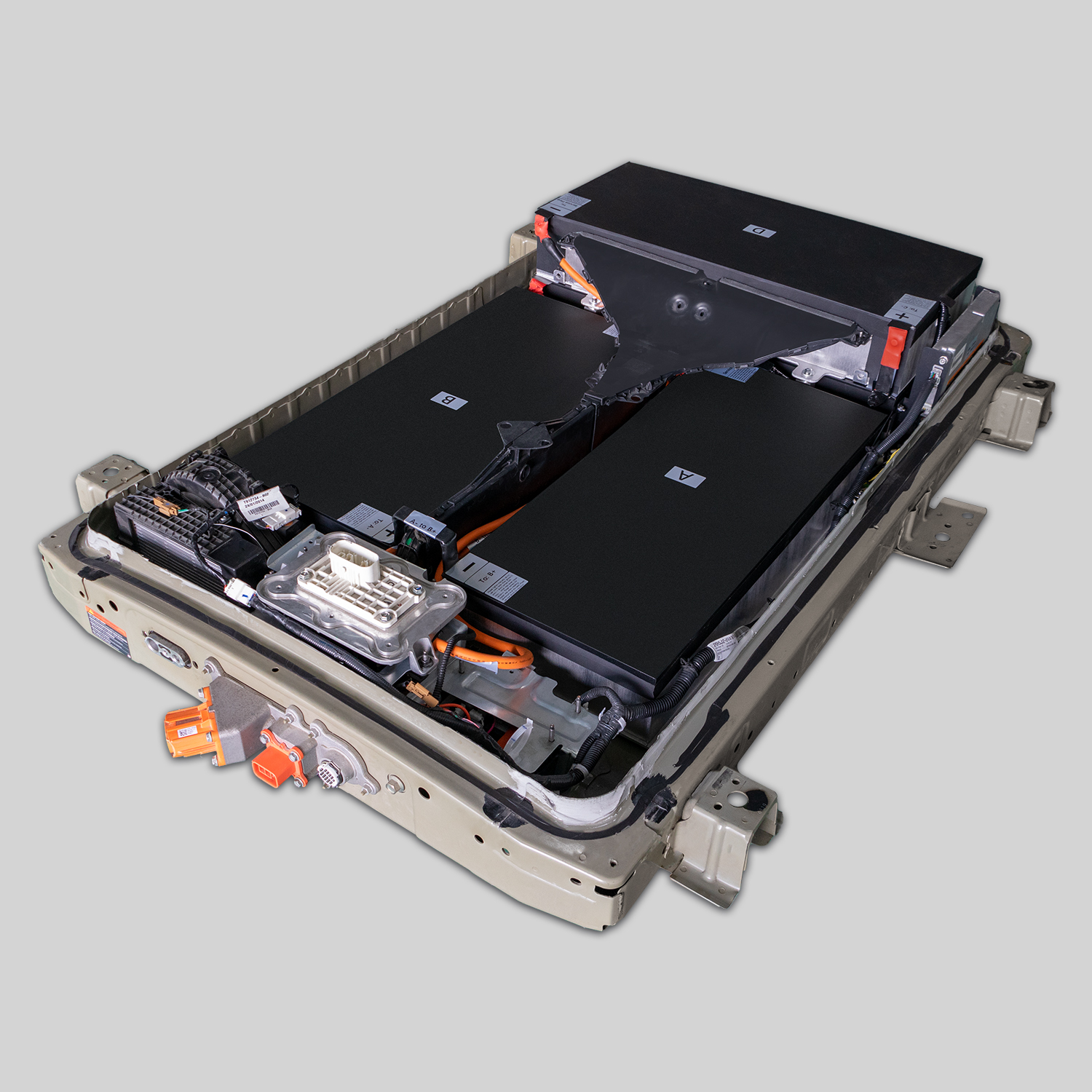
The i3’s battery uses two primary HV cable assemblies:
- Inter-module busbars (internal, low-voltage control + power)
- Main HV output harness (to inverter, ~250–400V, 300+ amps peak)
Both must meet:
✅ Conductor: ≥35 mm² tinned copper
✅ Shielding: Double-layer braid + foil for EMI suppression
✅ Connectors: IP67-rated, gold-plated pins with secondary locks
✅ Insulation: XLPE rated for 150°C continuous
⚠️ Critical fact: Aftermarket cables often use 25 mm² aluminum or unshielded PVC—fine for static tests, but prone to overheating and signal noise under load.
💰 True Cost Breakdown: What Shops Really Pay
| Component | Generic Aftermarket | OEM Dealer | CNS BATTERY (Included) |
|---|---|---|---|
| Main HV Harness | €110–€180 | €520–€680 | €0 (included with pack) |
| Inter-module Wiring Kit | €60–€90 | €280–€350 | €0 (included) |
| Labor (install + validation) | 2.5 hrs | 2.0 hrs | 1.5 hrs (plug-and-play) |
| Comeback Risk | High (32% reported) | Low | Near-zero |
📌 Reality: Shops using non-OEM cables spend 2.3x more long-term due to diagnostics, rework, and lost trust.
🔧 Professional Replacement Protocol: Avoiding Costly Mistakes
Step 1: Never Reuse Original Connectors
- BMW HV connectors are single-use crimp types
- Re-crimping damages pin tension → intermittent contact → arcing
Step 2: Verify Conductor Material
- Use magnet test: Aluminum is non-magnetic; copper is slightly magnetic due to plating
- Cut sample (if allowed): copper = reddish; aluminum = silver-white
Step 3: Test Post-Installation
- Perform isolation resistance test (>1 MΩ at 500V DC)
- Log voltage drop under 200A load (<1.5V acceptable)
- Check CAN communication stability—noise causes BMS sync errors
💡 Pro tip: If your scan tool shows ‘Module Communication Lost’ after cable work, suspect EMI from unshielded wiring—not BMS failure.
Why CNS Includes Premium Cables—At No Extra Charge
Every CNS BMW i3 battery ships with:
✅ Full OEM-spec HV harness—matched to your model year (GKN or Yazaki equivalent)
✅ Pre-installed inter-module wiring with laser-welded busbars
✅ Gold-plated, IP67 connectors with strain relief and secondary locks
✅ No splicing, no adapters—true plug-and-play compatibility
Result?
Shops cut cable-related labor by 40% and eliminate harness comebacks entirely.
“We used to budget €200 per job for cables. Now with CNS, it’s zero—and the car drives off the lift without a single code. Game changer.”
— Mike’s Auto Service, Vancouver
Frequently Asked Questions: BMW i3 Battery Cable Replacement
Q: Can I buy CNS cables separately?
A: Yes—for existing CNS pack owners, we sell replacement harnesses at cost (email support@cnsbattery.com).
Q: Are CNS connectors compatible with OEM BMS?
A: Fully—same pinout, same CAN protocol, same torque specs.
Q: How long does cable replacement take with CNS?
A: Under 90 minutes—most time is pack removal; cables plug in directly.
Q: Do I need special tools to install CNS cables?
A: Only standard HV insulated tools and a torque wrench—no crimpers or soldering.
Q: What if my old harness melted?
A: CNS includes full replacement—no need to salvage parts.
A Cable Isn’t a Commodity—It’s a Lifeline Between Power and Control
And when that link fails, your shop pays twice: once for the part, and again for the trust.
Stop Overpaying for Risky Shortcuts: Choose CNS BMW i3 Batteries with Factory-Installed, OEM-Spec Cables Included—So Your Jobs Finish Faster, Cleaner, and With Zero Comebacks.
Because reliability isn’t wired in—it’s built in.
Order your CNS BMW i3 battery today—or request our free “HV Cable Validation Checklist” with conductor specs, torque values, and isolation test procedures:
👉 https://cnsbattery.com/ev-battery-home/ev-battery-contact/