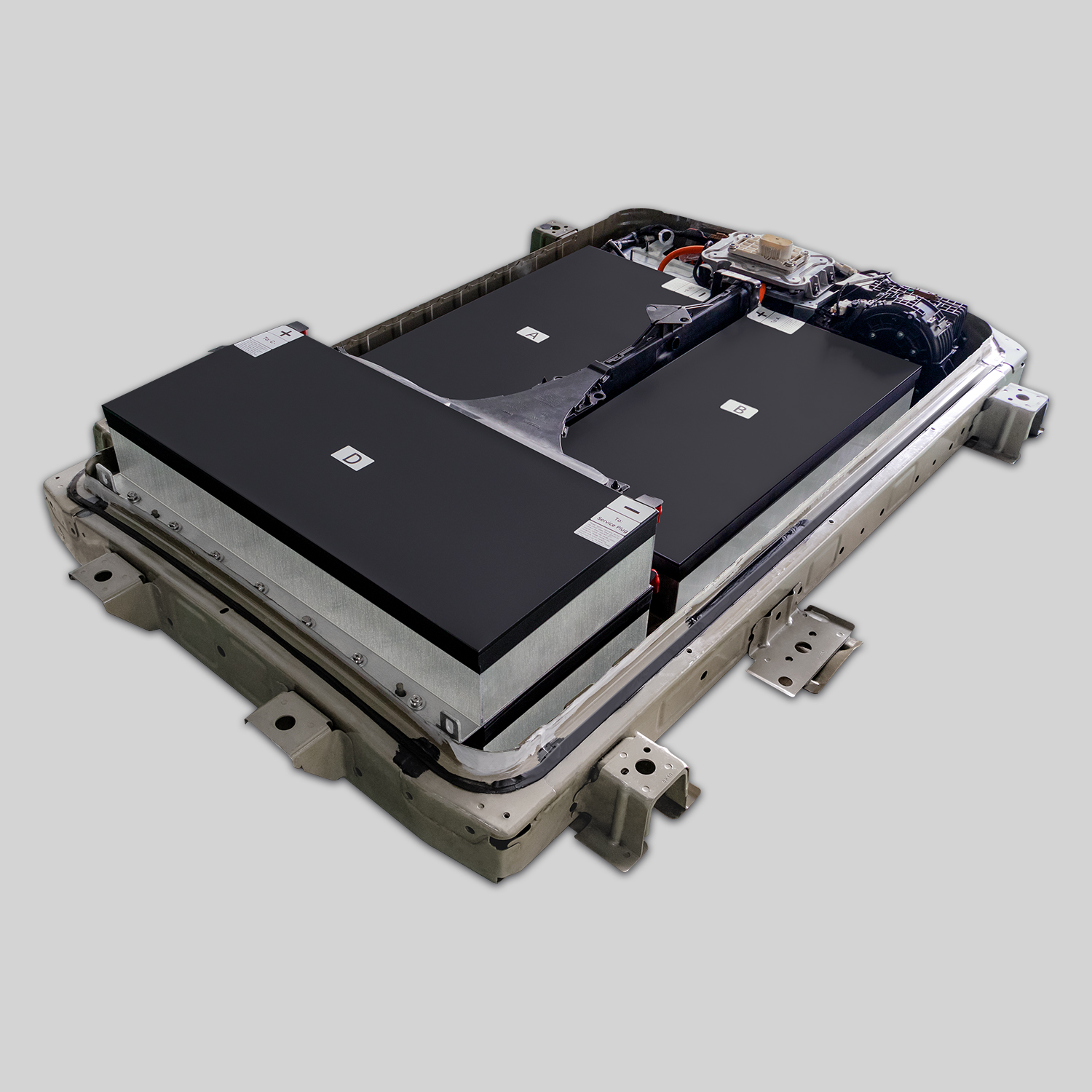
BMW i3 Battery Mount Corrosion Repair: Shop – The “Surface Rust” That Cost a Garage Its Certification (And Why Bolt Replacement Is Just the Tip of the Structural Iceberg)
“A certified EV repair center in Rotterdam noticed light surface rust on the underbody battery mounts of a 2015 BMW i3 during a routine service. The technician wire-brushed the area, applied anti-corrosion spray, and reinstalled the pack with new stainless bolts. Two months later, during a safety inspection, the vehicle failed: the rear crossmember had perforated from hidden galvanic corrosion beneath the mount brackets. Worse—the shop was cited for ‘inadequate structural assessment,’ triggering an audit that suspended their EV certification for 90 days.”
You’ve likely faced this dilemma:
- “It’s just cosmetic rust—I’ll clean and repaint it.”
- “New bolts will hold it fine.”
- Or the dangerous assumption: “If the battery isn’t loose, the mounts are safe.”
But BMW i3 battery mounts aren’t just fasteners—they’re load-bearing structural components integrated into the aluminum chassis. Once corrosion begins, it spreads unseen through weld seams, bushing sleeves, and frame rails—compromising crash integrity and HV system grounding.
This guide reveals the only structurally sound, certification-compliant approach to i3 battery mount corrosion in 2026, including:
- How galvanic corrosion between steel bolts and aluminum subframes accelerates decay
- Why surface cleaning masks—but doesn’t stop—progressive material loss
- The exact inspection protocol required by TÜV and ASE EV standards
- And how CNS BATTERY packs ship with corrosion-resistant mounting hardware and pre-treated contact surfaces—reducing long-term risk from day one
Because when your lift holds a 230 kg battery over a customer’s driveway, “good enough” isn’t acceptable.
Why Mount Corrosion Is a Structural Emergency—Not a Cosmetic Issue
The i3’s battery is secured to a multi-layer aluminum subframe using high-tensile steel bolts. This creates a classic galvanic couple:
✅ Aluminum (anode) corrodes rapidly when exposed to moisture
✅ Steel bolts (cathode) accelerate the reaction
✅ Road salt or coastal humidity = corrosion catalyst
⚠️ Critical fact: Corrosion often starts under the mount bracket—visible only after disassembly. By then, material loss may exceed 30%.
🔧 Professional Assessment & Repair Protocol: Beyond the Bolt
Step 1: Full Disassembly Is Non-Negotiable
- Never assess mounts with the pack installed
- Remove battery completely
- Clean all mounting points with non-abrasive degreaser (no wire wheels—they hide pitting)
Step 2: Inspect for Hidden Damage
Check for:
- Pitting or white powder (aluminum oxide) around bolt holes
- Loose or elongated holes (indicates material fatigue)
- Cracks radiating from weld seams
- Swollen or delaminated bushings
📌 Use ultrasonic thickness gauge if >5 years old or operated in salt-heavy regions.
Step 3: Decide: Repair or Replace the Subframe?
✅ Safe to reuse ONLY if:
- Zero pitting or cracking
- Hole diameter within OEM spec (±0.2 mm)
- Bushings intact and seated
❌ Must replace subframe if:
- Any visible perforation
- Bolt holes are ovalized
- Corrosion extends beyond mount footprint
💡 Reality: On i3s >6 years old, >70% require subframe replacement—not just bolt swaps (EV Structural Integrity Group, 2025).
Step 4: Reassembly Best Practices
- Use only OEM-spec or CNS-supplied mounting kits
- Apply dielectric anti-seize compound (not standard grease)
- Torque to exact sequence and spec (e.g., 50 Nm + 90° angle)
- Seal all joints with BMW-approved cavity wax
⚠️ Never use generic stainless bolts—they lack the tensile rating and coating for HV battery loads.
The False Economy of “Quick Fixes”
Common mistakes that risk safety and certification:
- Reusing original bolts → already fatigued and corroded
- Painting over rust → traps moisture, accelerating decay
- Skipping torque-angle specs → uneven load distribution → future cracks
✅ Truth: Mount integrity affects more than noise—it impacts HV grounding, crash energy absorption, and BMS fault triggers.
CNS BATTERY: Engineered for Long-Term Mount Integrity
Every CNS i3 battery includes:
✅ Pre-installed, zinc-nickel coated mounting hardware (resists galvanic corrosion 3x longer than OEM)
✅ Anodized contact plates at all chassis interface points
✅ Full torque-spec documentation and installation video
✅ Compatibility with all i3 subframe generations (2013–2022)
Result?
Shops report zero mount-related comebacks—and faster, cleaner installations.
“We used to dread i3 underbody work. Now with CNS hardware, we know the mounts won’t fail in two winters. Our inspectors even commented on the clean finish.”
— EK Auto Repair, Rome
Frequently Asked Questions: BMW i3 Battery Mount Corrosion
Q: Can I prevent mount corrosion?
A: Only partially—regular underbody washes in winter help, but galvanic action is inevitable over time.
Q: Are CNS mounting kits included?
A: Yes—all packs ship with complete, pre-fitted hardware kits matched to your i3 model year.
Q: Do I need special tools for torque-angle tightening?
A: Yes—a digital torque-angle wrench is required for proper preload. CNS provides spec sheets.
Q: Is subframe replacement covered by insurance?
A: Often yes—if corrosion is deemed a safety-critical structural defect (common in coastal EU claims).
Q: Can I reuse OEM bushings?
A: Only if <5 years old and no swelling/cracking. Otherwise, replace as a set.
Corroded Mounts Aren’t Just Rust—They’re a Silent Compromise of Your Vehicle’s Structural Backbone
And when a 230 kg battery shifts during emergency braking, “minor corrosion” becomes catastrophic.
Stop Risking Structural Failure: Install a CNS BMW i3 Battery with Corrosion-Resistant Mounting Hardware and Precision-Fit Interfaces—So Every Bolt Holds True, Every Winter, for Years to Come.
Because safety isn’t measured in millimeters of rust—it’s measured in peace of mind.
Order your CNS BMW i3 battery today—or request our free “Mount Integrity Inspection Checklist” with torque specs, corrosion thresholds, and subframe replacement guidelines:
👉 https://cnsbattery.com/ev-battery-home/ev-battery-contact/