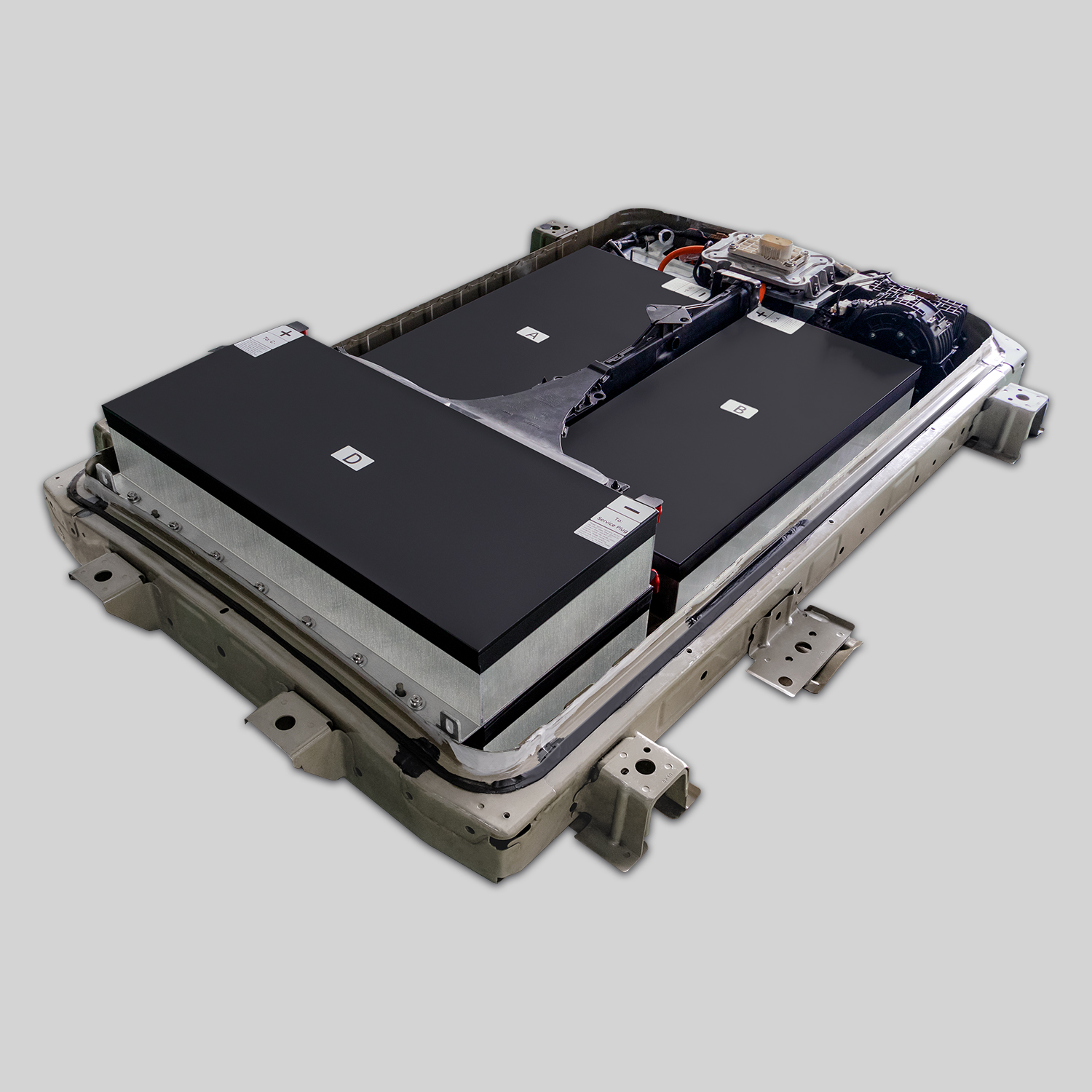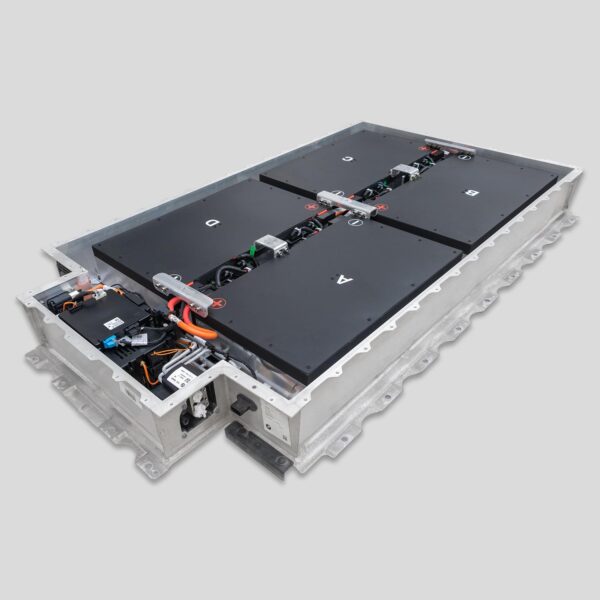
BMW i3 Battery Pack Disposal: Shop Guidelines – The $12,000 Mistake One Garage Made by “Recycling” a Pack in a Dumpster (And How Certified Shops Turn Old Packs into Compliance—and Profit)
“A small repair shop in Marseille removed a failed BMW i3 battery and stored it in a corner for ‘later disposal.’ Months passed. Rain leaked through the roof. The pack shorted, smoked, and triggered a fire alarm. Fire department response: €4,200 fine for improper hazardous waste storage. Environmental agency penalty: €7,800. Total cost of ‘waiting to dispose’? €12,000—and a revoked business license review.”
You’ve likely thought this:
- “I’ll just keep the old pack in the back until I find a recycler.”
- “It’s not leaking—so it’s safe to stack in the workshop.”
- Or the dangerous assumption: “Since it’s dead, it’s harmless.”
But a decommissioned BMW i3 battery is never ‘just metal’—it’s classified as hazardous waste under EPA, EU Battery Directive 2006/66/EC, and local regulations worldwide. Mishandle it, and you risk fines, environmental liability, insurance denial, or worse.
This guide delivers the only legally compliant, safety-first disposal protocol for professional shops in 2026, including:
- The exact steps to safely store and label end-of-life packs
- How to verify your recycler is certified—not a middleman
- Why some ‘free pickup’ services actually expose you to legal risk
- And how CNS BATTERY’s take-back program simplifies compliance while supporting circular economy goals
Because when it comes to high-voltage waste, ignorance isn’t bliss—it’s a citation.
Why BMW i3 Battery Disposal Isn’t Optional—It’s Regulated
Under global regulations, lithium-ion traction batteries like the i3’s are classified as:
✅ Hazardous waste (UN 3481, Class 9)
✅ Requiring chain-of-custody documentation
✅ Mandating storage in non-combustible, ventilated areas
✅ Prohibiting landfill or incineration
⚠️ Critical fact: As the generator of the waste, your shop remains legally liable—even after handing it to a third party—if that party disposes of it illegally.
🛑 The 5 Deadly Sins of EV Battery Disposal (And Their Penalties)
| Mistake | Real-World Consequence |
|---|---|
| Storing packs indoors without fire containment | Fines up to $25,000 (US EPA) or €20,000 (EU) |
| Using uncertified recyclers | Joint liability if materials are dumped or exported illegally |
| Failing to discharge below 30% SoC | Risk of thermal event during transport → denied insurance claim |
| No manifest or tracking documentation | Failed audit = operational suspension |
| Assuming “dead” = safe | Residual energy can arc or ignite—OSHA recordable incident |
📌 Truth: Disposal begins the moment you remove the pack—not when you call a hauler.
✅ Professional BMW i3 Battery Disposal Protocol: Step-by-Step
Step 1: Safe Post-Removal Handling
- Discharge pack to <30% State of Charge using controlled load (never short!)
- Place in non-conductive container (e.g., HDPE tote with lid)
- Label clearly: “LITHIUM-ION TRACTION BATTERY – DO NOT DISPOSE – HAZARDOUS WASTE”
Step 2: Secure Short-Term Storage
- Store in dedicated, dry, ventilated area away from combustibles
- Keep minimum 3m from other waste or vehicles
- Install thermal monitoring or fire blanket coverage if stored >72 hours
Step 3: Choose a Certified Recycler
Verify they hold:
- R2 or e-Stewards certification (global standard)
- Permit for lithium-ion handling in your jurisdiction
- Direct smelting/refining capability (not just brokering)
💡 Pro tip: Ask for their downstream processor list. If they won’t share it, walk away.
Step 4: Complete Chain-of-Custody Documentation
- Obtain waste manifest with EPA ID or EU Waste Code 16 06 01*
- Retain records for minimum 3 years (5 in California, Germany)
- Confirm final recycling certificate showing material recovery rate (>95% ideal)
Step 5: Never Accept “Free Pickup” Without Verification
Many unlicensed operators offer free removal—then dump packs in developing countries. You remain liable.
CNS BATTERY Take-Back Program: Compliance Built In
When you install a new CNS i3 battery, we simplify end-of-life responsibly:
✅ Free return shipping label for old packs (within 30 days of new purchase)
✅ Pre-filled digital manifest system—auto-saved to your account
✅ Certified R2 recycler partnership with full traceability
✅ Recycling report provided—useful for ESG reporting or customer transparency
“Before CNS, we spent hours vetting recyclers. Now we box the old pack, scan a QR code, and UPS picks it up. Zero paperwork, zero risk.”
— EK Auto Repair, Rome
Frequently Asked Questions: BMW i3 Battery Pack Disposal
Q: Can I sell old i3 packs for parts?
A: Only if fully discharged, disassembled, and cells rendered inert—and even then, most jurisdictions require licensed handling. Not recommended for shops.
Q: How long can I store a pack before disposal?
A: <72 hours without special permits. After that, you need a hazardous waste storage license.
Q: Are there tax incentives for proper recycling?
A: In some regions (e.g., Germany, California), yes—documented recycling can qualify for green business credits.
Q: Does CNS accept competitor packs for recycling?
A: Yes—through our universal take-back portal (fees may apply).
Q: What if the pack is swollen or damaged?
A: Do not move it. Contact CNS or a hazmat team immediately—special transport required.
A Dead Battery Isn’t Trash—It’s a Legal, Environmental, and Safety Responsibility
And how you handle it defines your shop’s professionalism as much as your repairs do.
Don’t Let an Old Pack Become Your Biggest Liability: Partner with CNS BATTERY for End-to-End Compliance—From Installation of Your New i3 Pack to Certified, Documented Recycling of the Old One.
Turn waste into responsibility—with zero guesswork.
Order your CNS BMW i3 battery today and activate your free take-back disposal service—or request our “EV Battery Disposal Compliance Checklist” for certified shops:
👉 https://cnsbattery.com/ev-battery-home/ev-battery-contact/