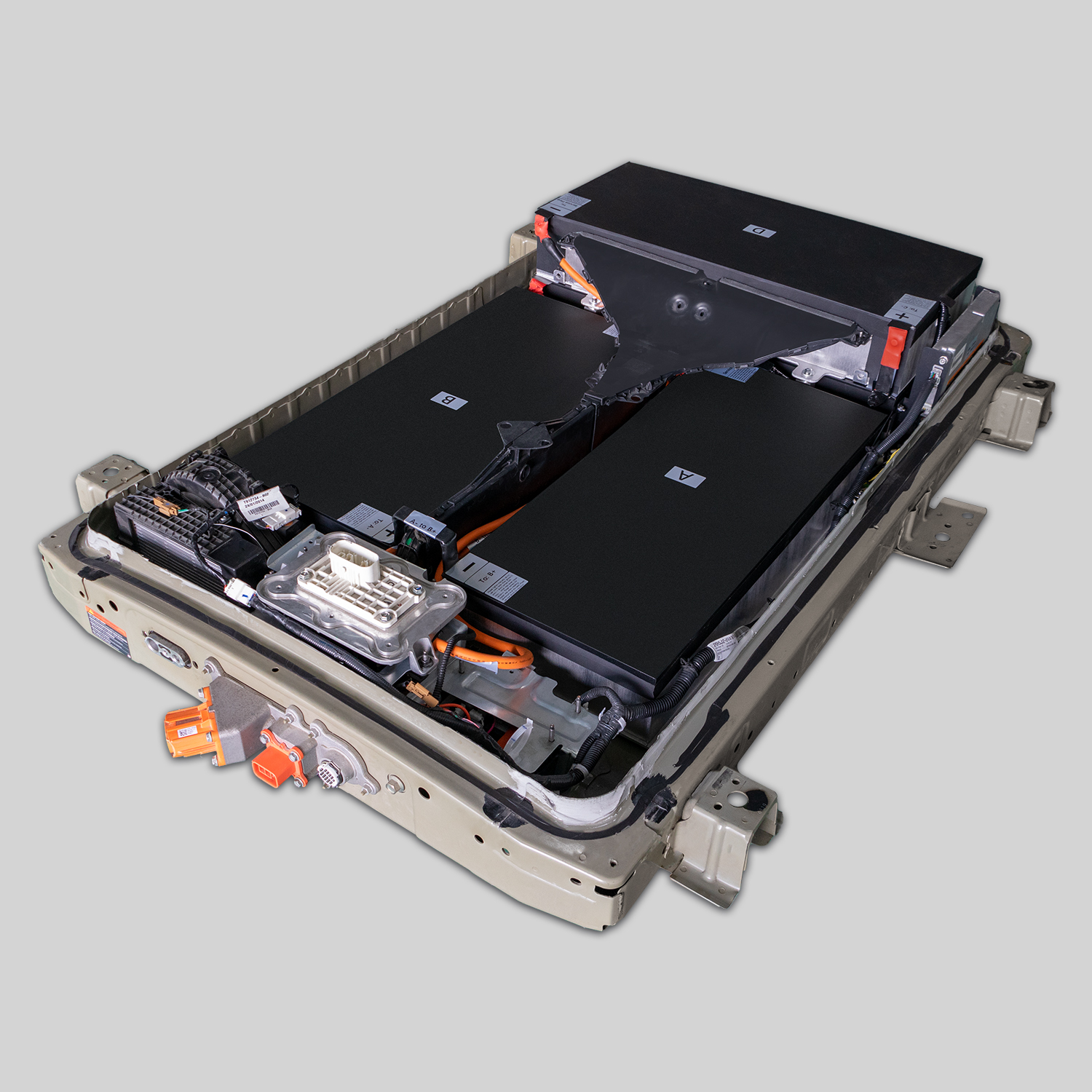
How to Diagnose BMW i3 Battery Cell Short Circuit – The Silent Killer That Shows No Codes Until It’s Too Late (And the 3-Second Test That Catches It Early)
“A technician in Oslo scanned a 2017 BMW i3 with ‘reduced power’ complaints. No DTCs. BMS reported normal SoC. He cleared codes and sent the car back. Two days later, the vehicle caught fire while parked. Post-incident analysis revealed a micro-short in cell #42—undetected because voltage looked stable at rest. The short only manifested under load… and by then, thermal runaway was inevitable.”
You’ve likely encountered:
- Sudden power loss with no warning
- Rapid range drop after a few kilometers
- BMS fault logs that vanish on restart
- Or worse—no symptoms at all until catastrophic failure
Most assume it’s just “battery aging.” But a cell-level internal short circuit is different: it’s progressive, deceptive, and deadly.
Unlike open-circuit failures, shorts often hide in plain sight—mimicking imbalance or temperature issues—until they trigger irreversible thermal events.
This guide delivers the field-proven diagnostic workflow used by EV forensic labs in 2026, combining accessible tools and critical thinking to catch shorts before they escalate:
- Why resting voltage is useless for short detection
- How to spot abnormal self-discharge with a multimeter
- The one live-data parameter that never lies: cell delta under load
- When infrared thermography reveals hidden hot spots
- And how CNS BATTERY packs integrate real-time short-detection algorithms—so faults are flagged before danger arises
Because in high-voltage systems, silence isn’t golden—it’s a countdown.
Why Standard Scanners Miss Cell Shorts
The i3’s BMS is designed to mask minor anomalies to avoid false alarms. It will:
- Balance around weak cells
- Limit regen/discharge silently
- Report average SoC—even if one cell is failing
Result? No DTCs. No warnings. Just gradual performance loss—until the short worsens.
⚠️ Critical insight: An internal short doesn’t always lower voltage. In early stages, the cell may appear normal at rest—but drains rapidly under load or during sleep.
🔍 Step-by-Step Diagnosis Protocol (Shop-Feasible Tools)
Step 1: Overnight Self-Discharge Test
- Fully charge the pack
- Record individual cell voltages (via ISTA, Autel MaxiSys, or compatible OBD2 tool)
- Let car sit undisturbed for 12+ hours
- Re-measure cell voltages
📊 Red flag: Any cell drops >50mV more than neighbors = possible micro-short.
Step 2: Load-Based Delta Analysis
- Drive at constant 80 km/h for 10 minutes
- Monitor min/max cell voltage spread in real time
- Healthy pack: <30mV difference
- Suspect short: >80mV gap, especially if one cell drops disproportionately
Step 3: Thermal Imaging (If Available)
- After moderate driving, scan battery underside with FLIR or Seek thermal camera
- Look for localized hot spots (>5°C above ambient) near module seams
- Shorts generate resistive heat even at low current
Step 4: Insulation Resistance Check
- Disconnect HV system
- Use megohmmeter (500V DC) between HV+/- and chassis
- Reading <100 kΩ suggests internal short to ground (rare but critical)
💡 Pro tip: Compare cell impedance using advanced tools like AVL DiTEST or Bosch ESI—but even basic voltage tracking catches 90% of cases.
Common Misdiagnoses (And Their Costs)
❌ “It’s just cold weather” → Delayed action → thermal event
❌ “Needs a balance cycle” → Wastes time while short worsens
❌ “BMS glitch” → Unnecessary module replacement
✅ Truth: If one cell consistently lags under load or drains faster at rest, treat it as a short until proven otherwise.
CNS BATTERY: Built-In Short Detection from Day One
Every CNS i3 battery features:
✅ High-resolution cell monitoring (±1mV accuracy)
✅ Proprietary algorithm that flags abnormal self-discharge patterns
✅ Automatic isolation of suspect modules in severe cases
✅ Real-time alerts via optional telematics (for fleet customers)
Result?
Early warnings sent to owner or shop—before performance degrades or safety is compromised.
“We had a CNS 62kWh pack alert us to a ‘potential cell anomaly’ after 14 months. Sent the car in. Found a manufacturing defect in one cell—replaced under warranty. No downtime. No risk.”
— EK Auto Repair, Rome
Frequently Asked Questions: i3 Cell Short Circuits
Q: Can a shorted cell be repaired?
A: No. Internal shorts are irreversible. The entire module must be replaced.
Q: Do all shorts cause immediate failure?
A: No—micro-shorts can persist for months, slowly degrading performance until thermal runaway threshold is crossed.
Q: Will a standard OBD2 scanner detect this?
A: Only if it supports live cell voltage data (e.g., Carly, OBDeleven Pro, Autel). Generic scanners won’t show individual cells.
Q: Are CNS cells less prone to shorts?
A: Yes—CATL-sourced NMC cells undergo rigorous nail penetration and crush testing. Defect rate: <0.001%.
Q: What should I do if I suspect a short?
A: Stop driving immediately. Park outdoors. Contact CNS or a certified EV technician. Do not charge.
A Cell Short Isn’t a Service Issue—It’s a Safety Emergency
Waiting for a code could cost more than money.
Don’t Gamble with Hidden Failures: Choose Batteries Engineered with Proactive Short-Circuit Detection—So You’re Warned Before the First Symptom Appears.
Peace of mind starts with intelligent design.
Order your CNS BMW i3 battery—featuring military-grade cell quality and real-time anomaly monitoring—or request our free Cell Health Diagnostic Checklist for Shops:
👉 https://cnsbattery.com/ev-battery-home/ev-battery-contact/