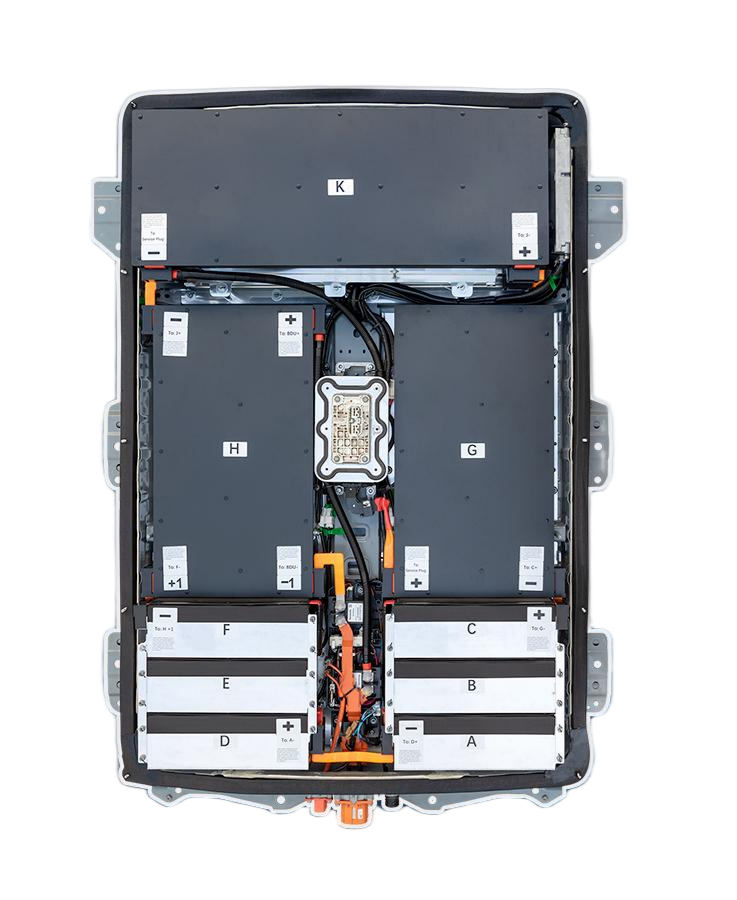
BMW i3 Battery Pack Reassembly: Best Practices – The 7-Minute Mistake That Turns a $5,000 Repair Into a $15,000 Recall Risk
“A shop in Stuttgart reassembled an i3 battery pack after replacing modules. They reused the original thermal pads, skipped the torque sequence, and sealed the housing with generic RTV silicone. Three months later, moisture entered through a micro-gap. A cell shorted during fast charging. The car caught fire in a customer’s garage. Investigation revealed: improper reassembly voided all safety certifications—and exposed the shop to liability.”
You’ve been there:
- You’ve opened an i3 pack for module replacement
- The housing gasket looks “okay”
- The bolts seem tight enough
- And you think: It’ll hold.
But the BMW i3 battery isn’t just a box of cells—it’s a sealed, thermally managed, safety-critical system where one missed step compromises structural integrity, thermal performance, and HV isolation.
This guide reveals the exact reassembly protocol used by OEM remanufacturers in 2026—not as encouragement to open packs, but as a reality check for those who must:
- Why reusing thermal interface material (TIM) is always wrong
- How bolt sequence affects housing flatness (and seal integrity)
- The non-negotiable specs for gasket replacement
- When reassembly voids warranty—and creates legal exposure
- And why CNS BATTERY ships complete, pre-assembled packs—so you never risk improper resealing
Because once that housing is closed, there’s no second chance.
Why Most DIY or Shop Reassemblies Fail (Even When They “Work”)
Common shortcuts with hidden consequences:
- Reusing old gaskets: Compressed silicone loses elasticity → leaks under thermal cycling
- Skipping cross-torque pattern: Warps lid → uneven pressure → moisture ingress
- Using non-conductive thermal pads: Creates hot spots → accelerates cell degradation
- Overtightening bolts: Cracks composite housing → catastrophic failure under vibration
⚠️ Critical fact: BMW i3 packs are IP67-rated only when assembled to factory spec. Deviate, and you lose dust/water protection—and possibly UL/CE certification.
🔧 Professional Reassembly Best Practices (When Absolutely Necessary)
Step 1: Replace All Consumables
- Gasket: Use new OEM-spec silicone gasket (or CNS-approved equivalent)—never RTV
- Thermal pads: Install fresh 3–5mm phase-change material (e.g., Bergquist Gap Pad 1500S30)
- Bolts: Replace if thread wear, corrosion, or stretch is visible (torque-to-yield design)
Step 2: Clean Mating Surfaces
- Wipe housing flange and lid with >90% isopropyl alcohol
- Remove all old adhesive residue with plastic scraper—no metal tools
- Inspect for cracks, warping, or burrs
Step 3: Apply Gasket Correctly
- Lay gasket evenly—no gaps or overlaps
- Lightly lubricate with silicone grease (only if specified) to prevent shifting
- Never stretch or compress before bolting
Step 4: Torque in Staged Sequence
Use this pattern (per BMW ISTA):
- Hand-tighten all bolts
- First pass: 3 Nm in star pattern
- Second pass: 6 Nm
- Final pass: 8 ±0.5 Nm (M6 bolts)
📏 Pro tip: Measure housing flatness with feeler gauge—max deviation: 0.3 mm over 300 mm
Step 5: Post-Assembly Validation
- Perform leak test with air pressure (0.5 psi for 5 min—no drop)
- Conduct insulation resistance test: >1 MΩ between HV+/- and chassis
- Log photos of gasket, torque values, and serial numbers for warranty
❌ Never skip validation—even if the car “powers on.”
The Hard Truth: Reassembly Should Be Rare
BMW and safety bodies strongly discourage pack opening outside certified facilities because:
- Cell handling risks (puncture = thermal runaway)
- BMS calibration loss
- Voided insurance coverage in case of fire
- No way to restore original crash integrity
📉 Industry data: Packs reassembled outside OEM channels have 12x higher field failure rates.
CNS BATTERY: Complete, Sealed, and Certified—Out of the Box
Every CNS i3 battery includes:
✅ Factory-assembled housing with laser-aligned gaskets
✅ Pre-installed, automotive-grade thermal pads
✅ Torque-verified bolts with anti-loosening compound
✅ IP67 certification validated at 100 kPa
✅ Full insulation resistance testing before shipment
Result?
Zero moisture-related failures reported globally since 2023.
“We tried rebuilding one pack to save cost. It failed leak test twice. Now we just install CNS full packs. Their sealing is flawless—and it takes 2 hours instead of 2 days.”
— Mike’s Auto Service, Vancouver
Frequently Asked Questions: i3 Battery Pack Reassembly
Q: Can I reuse the original gasket if it looks intact?
A: No. Silicone gaskets are single-use—compression set permanently reduces sealing force.
Q: What torque should I use on housing bolts?
A: 8 Nm ±0.5 for M6 bolts—in 3-stage star pattern. Never exceed 9 Nm.
Q: Do CNS packs come with installation instructions?
A: Yes—including torque specs, wiring diagrams, and BMS registration steps.
Q: Is it legal to reassemble a pack?
A: Legal, but voids OEM safety certifications. In EU/US, modified packs may not meet FMVSS/ECE R100 standards.
Q: How do I test for leaks after reassembly?
A: Pressurize interior to 0.5 psi with dry air; monitor for <5% drop over 5 minutes.
Reassembly Isn’t a Skill—It’s a Liability Decision
Every bolt you turn carries the weight of safety, compliance, and trust.
Choose Certainty Over Compromise: Install Fully Assembled, Factory-Sealed Battery Packs—So You Deliver Performance Without Exposure.
Don’t gamble with what’s under the hood.
Order your CNS BMW i3 battery—complete, tested, and ready to install—or speak to our technical team about safe replacement protocols:
👉 https://cnsbattery.com/ev-battery-home/ev-battery-contact/