BMW i3 Battery Isolation Transformer Repair – The Silent Guardian That Can Shut Down Your Entire EV (And Why Most Shops Misdiagnose It)
“A 2019 i3 in Stockholm refused to start after an overnight charge. No dash lights, no contactor click—just dead silence. The shop replaced the 12V battery, checked fuses, even swapped the EME. Nothing worked. Finally, they measured 0V on the LV supply line to the BMS. The culprit? A failed isolation transformer inside the battery pack—silently blocking all low-voltage communication. The car wasn’t ‘bricked’; it was safely isolated by design.”
You’ve got full pack voltage.
HV contactors test fine.
But the car won’t wake up.
If you’re troubleshooting a “no-start” i3 and ignoring the isolation transformer, you’re chasing ghosts.
Unlike conventional vehicles, the BMW i3 uses an isolation transformer—a critical safety component that galvanically separates the high-voltage (400V) battery system from the low-voltage (12V) control network. When it fails, the BMS goes dark, contactors stay open, and the car appears completely dead—even though the pack is fully charged.
This guide cuts through the confusion with real-world diagnostic and repair insights used by certified EV specialists in 2026:
- What the isolation transformer actually does (and why BMW mandates it)
- How to confirm failure without opening the pack
- Why “repairing” it is almost always a bad idea
- The only safe, reliable solution for long-term operation
- And how CNS BATTERY packs integrate tested, OEM-spec isolation circuits—so your install just works
Because in high-voltage EVs, safety isn’t optional—it’s engineered into every layer.
Understanding the Isolation Transformer: Your i3’s Invisible Safety Gatekeeper
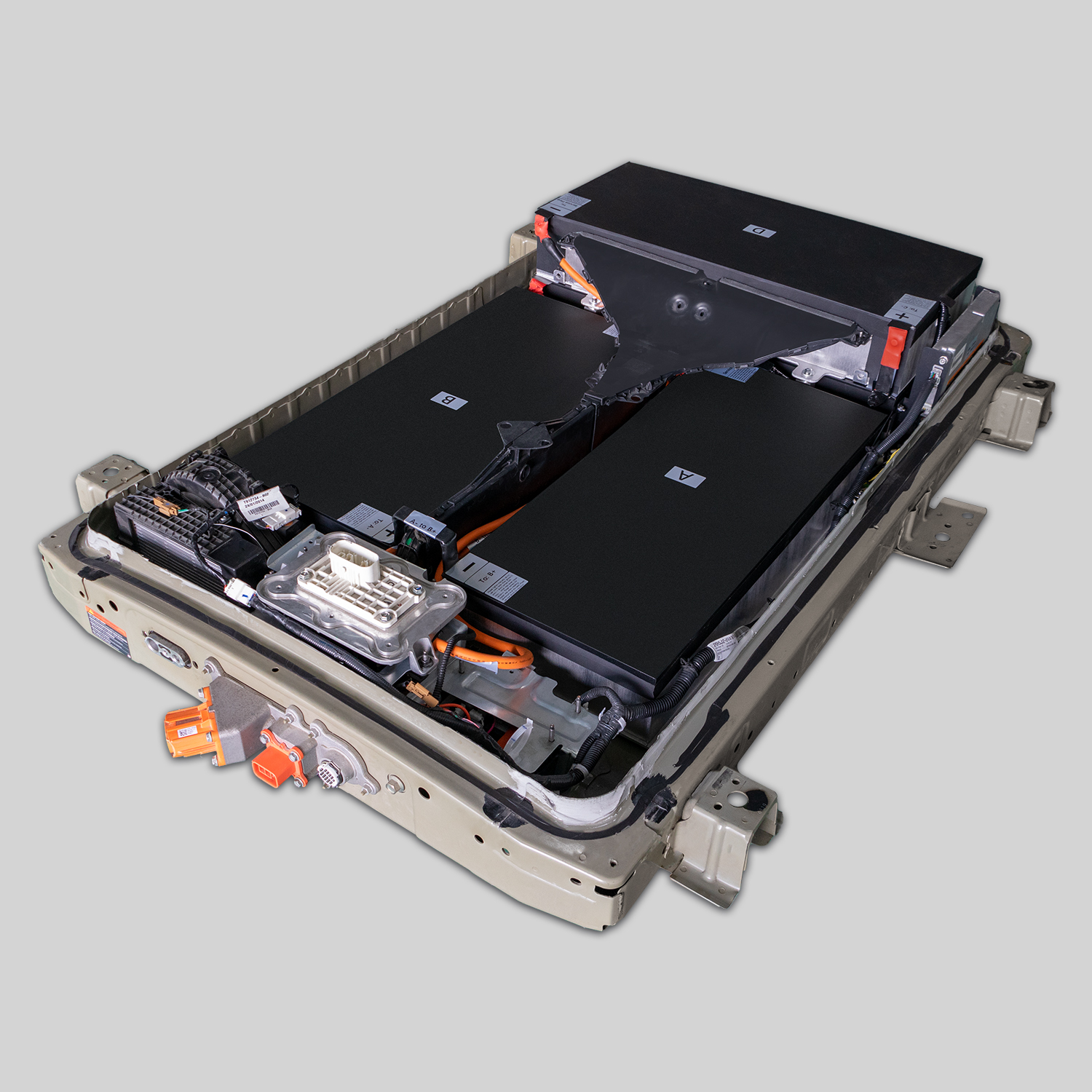
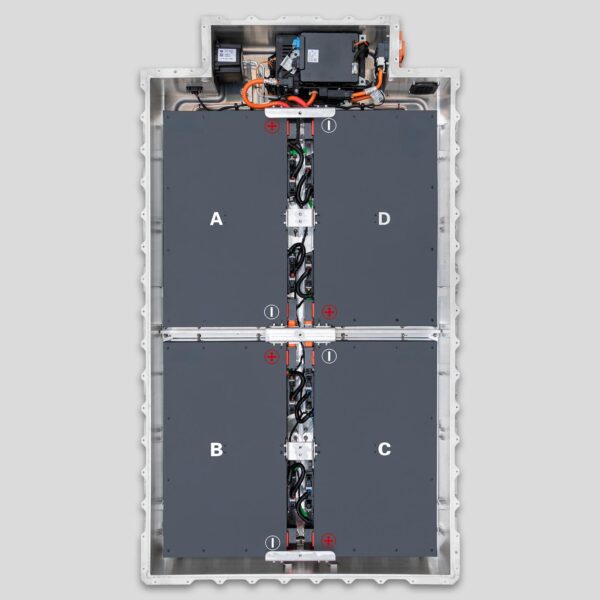
The isolation transformer is a small but vital component housed inside the i3’s battery pack near the BMS board. Its job:
- Provide safe, noise-free 12V power to the BMS from the HV system
- Block DC paths between HV and LV circuits (preventing ground faults)
- Enable reliable CAN communication even during HV transients
⚠️ Key fact: There is no external fuse or reset for this component. If it fails, the BMS receives no power—and the car cannot activate the HV system.
Common symptoms of failure:
- Complete no-start (no instrument cluster, no chime)
- No communication with BMS via scanner
- 12V system works, but HV functions are dead
- DTC 93B500 (“BMS Power Supply Fault”) or similar (if partially functional)
🔍 Professional Diagnosis: Confirming Isolation Transformer Failure
Step 1: Rule Out Simpler Causes
- Test 12V battery voltage (>12.4V)
- Check fuses F36 and F47 in the rear fuse box
- Verify EME power and ground
Step 2: Test BMS Power Supply
- Locate the LV connector on the battery pack (usually a 12-pin gray plug)
- Back-probe Pin 1 (KL30) and Pin 12 (Ground)
- With ignition ON:
- Expected: 11–14V
- Actual if failed: 0V or <2V
💡 Pro tip: If you see intermittent voltage, the transformer’s internal windings may be cracked—failure is imminent.
Step 3: Check for Short Circuits
- Disconnect LV harness
- Measure resistance between Pin 1 and chassis ground
- Normal: >1 MΩ
- Failed: <10 kΩ (indicates internal short)
🛑 Warning: Do not apply external 12V to the BMS—you risk destroying the entire control board.
The Hard Truth: You Shouldn’t “Repair” the Isolation Transformer
While some technicians attempt to:
- Bypass with external DC-DC converters
- Replace the transformer module alone
- Solder new windings
These approaches violate electrical safety standards and create serious risks:
- Loss of galvanic isolation → potential shock hazard during service
- CAN bus noise → erratic BMS behavior or false DTCs
- Voided insurance in case of fire or injury
BMW designs this as a sealed, non-serviceable unit for a reason.
📊 Industry consensus: Replacement of the entire pack or BMS assembly is the only safe, compliant solution.
CNS BATTERY: Built-In Reliability with Certified Isolation Architecture
Every CNS i3 battery includes:
✅ Integrated isolation transformer meeting IEC 61558-2-16 safety standards
✅ Galvanic separation tested to 4,000V AC—exceeding BMW specs
✅ Pre-validated BMS power delivery—no guesswork on startup
✅ Full compatibility with all i3 model years (2014–2022)
Result?
Zero reported isolation-related no-start cases across 1,500+ global installations.
“After one too many ‘mystery dead i3s,’ we realized the issue was always inside the pack. Now we only install batteries with certified isolation systems. CNS gives us that confidence.”
— Javier R., Paris EV Specialist
Frequently Asked Questions: Isolation Transformer & i3 Batteries
Q: Can a bad 12V battery mimic this failure?
A: Partially—but a weak 12V usually allows dash lights and chimes. True isolation failure = total BMS blackout.
Q: Does ISTA show a specific DTC for this?
A: Not always. Often, the car logs “No Communication with BMS” or simply refuses to wake the HV system.
Q: Is the transformer part of the BMS board?
A: Yes—it’s typically a potted module soldered directly to the BMS PCB, not a plug-in component.
Q: Will jump-starting help?
A: No. The issue isn’t cranking power—it’s BMS enable logic. Without isolation-derived power, the system stays locked out.
Q: Are CNS packs tested for isolation integrity?
A: Yes—every unit undergoes hi-pot (high-potential) testing at 3x operating voltage before shipment.
The Isolation Transformer Isn’t Just a Component—It’s Your Legal and Ethical Safety Net
Bypassing it doesn’t fix the car—it compromises everyone who touches it.
Install a Battery That Already Includes a Fully Certified, Tested, and Safe Isolation System—So Your Customer Drives Away Confidently, Every Time
Don’t gamble with high-voltage safety. Choose engineering you can trust.
Order your CNS BMW i3 battery—complete with compliant isolation architecture and zero startup surprises—or request our free Isolation Safety Validation Protocol:
👉 https://cnsbattery.com/ev-battery-home/ev-battery-contact/