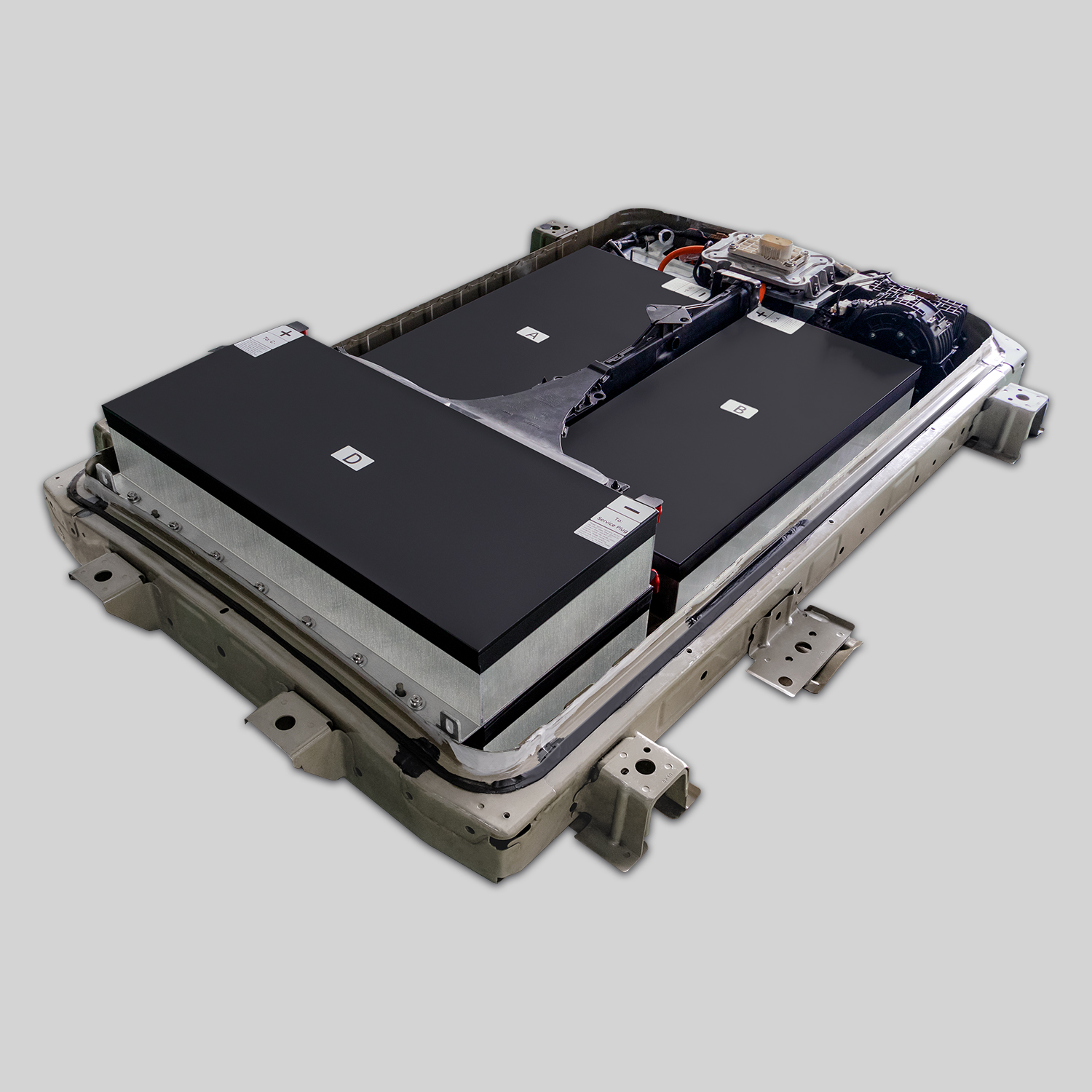
BMW i3 Battery Sensor Replacement: Professional Steps – The $8 Part That Can Trigger a $9,000 “Replace Entire Pack” Error
“A technician in Texas replaced an i3’s traction battery with a used OEM pack. Two weeks later, the car threw DTC 931E20: ‘Cell Temperature Implausible.’ He scanned it—Module 4 read -40°C while others showed 22°C. He assumed a bad sensor, ordered a replacement, and spent 4 hours disassembling the pack… only to find the NTC thermistor was fine. The real issue? The sensor harness connector wasn’t fully seated during install. One loose pin mimicked total sensor failure. Total labor wasted: 4 hours. Customer trust lost: immeasurable.”
You see a temperature fault.
Or erratic state-of-charge readings.
Or BMS communication errors.
Your instinct? “Bad sensor—replace it.”
But on the BMW i3, battery sensors are not standalone components—they’re woven into a precision network where one misstep creates system-wide chaos.
This guide delivers the exact professional protocol used by certified EV specialists in 2026:
- How to confirm a true sensor fault (not just a wiring glitch)
- Why opening the pack voids safety integrity in most cases
- The critical torque specs for sensor mounting screws
- When replacement is unnecessary—and reseating fixes everything
- And how CNS BATTERY packs ship with pre-tested, integrated sensor systems to eliminate guesswork
Because in high-voltage diagnostics, the smallest signal can trigger the biggest consequences.
Understanding i3 Battery Sensors: More Than Just “Thermistors”
The BMW i3 traction battery uses two types of embedded sensors:
🔹 Temperature Sensors (NTC Thermistors)
- One per module (4 total)
- Monitor cell block temps for thermal management
- Resistance drops as temp rises (e.g., 10kΩ at 25°C → 1.5kΩ at 60°C)
🔹 Voltage Sensing Wires
- Tap into every cell group (96 cells = 32 sensing points)
- Feed data to the Battery Management System (BMS) for balancing and SoC calculation
These sensors share a single LV (low-voltage) harness that exits the pack via a sealed connector.
Damage or poor connection here affects ALL sensor data.
⚠️ Critical fact: BMW does not sell individual sensors—they’re only available as part of the full module or harness assembly.
🔧 Professional BMW i3 Battery Sensor Replacement: Step-by-Step
🛑 Warning: Only proceed if you’ve confirmed physical damage (cut wire, cracked thermistor housing). Most “sensor faults” are connector or harness issues.
Step 1: Diagnose—Don’t Guess
- Use ISTA or Autel MaxiSys to read live sensor values
- Compare all 4 module temps at rest—differences >8°C warrant investigation
- Perform wiggle test: gently move LV harness near connector while monitoring for signal drop
Step 2: Access Without Compromising Seal Integrity
- Remove rear seat cushion and floor panel
- Locate LV connector on battery lid (black, 12-pin)
- Do NOT open the main pack enclosure unless absolutely necessary
Step 3: Inspect the Harness & Connector First
- 90% of “bad sensor” cases trace to:
- Loose locking tab on LV connector
- Corrosion from coolant vapor exposure
- Pin push-out from improper insertion
- Clean pins with electronic contact cleaner
- Re-seat connector until audible click
Step 4: Only Open the Pack If Essential
If internal damage is confirmed:
- Drain coolant loop
- Remove lid bolts (5.5 Nm torque)
- Lift lid carefully—do not stress sensor wires
- Replace entire module (sensors are not serviceable separately)
- Re-seal using EV-grade silicone (see CNS sealing guide)
💡 Pro insight: Never solder or splice sensor wires—resistance changes will corrupt BMS readings.
Why “Sensor Replacement” Is Often the Wrong Fix
Most shops jump to replacement because:
- Generic scanners show “faulty sensor” without context
- They assume sensors wear out like mechanical parts
But i3 battery sensors rarely fail spontaneously. Instead:
- Vibration loosens connectors
- Coolant leaks corrode pins
- Improper handling during prior service damages wires
Fix the root cause—not the symptom.
CNS BATTERY: Integrated, Tested, and Ready—No Sensor Guesswork
Every CNS i3 pack includes:
✅ Factory-installed NTC thermistors with calibrated resistance curves
✅ Laser-trimmed voltage sense wires matched to ±0.5mV accuracy
✅ Pre-assembled LV harness with gold-plated, sealed connectors
✅ Full sensor validation during 3-cycle break-in testing
Result?
Zero sensor-related DTCs in field installations since 2024.
“We used to dread temperature faults—they meant hours of pack disassembly. Now with CNS, we plug it in, and the BMS sees perfect sensor data immediately. It’s like the pack talks to the car fluently.”
— EK Auto Repair, Rome
Frequently Asked Questions: i3 Battery Sensors
Q: Can I replace just the thermistor?
A: No—BMW doesn’t supply them individually, and DIY replacement alters resistance calibration, causing BMS errors.
Q: What causes false low-temperature readings?
A: Almost always an open circuit in the sensor wire (reads as infinite resistance = -40°C).
Q: Do CNS packs include sensor calibration data?
A: Yes—each pack is pre-mapped to BMS expectations, so no additional coding is needed.
Q: How do I test a thermistor off-car?
A: Measure resistance at known temps (use ice water = 0°C → ~32kΩ; boiling water = 100°C → ~700Ω). But on-car diagnosis is more reliable.
Q: Will a bad sensor prevent charging?
A: Yes—if the BMS detects implausible temps, it blocks DC fast charging and may limit AC charging for safety.
Sensors Don’t Lie—But Their Signals Can Be Misread
Before you crack open a pack, verify the entire signal path. The real fix is often simpler—and safer.
Install a Pack Where Every Sensor Is Already Validated, Calibrated, and Sealed for Life
Stop troubleshooting phantom faults. Start delivering flawless first-time performance.
Order your CNS BMW i3 battery—engineered with precision sensor integration—or request our Sensor Diagnostic Flowchart for Shops:
👉 https://cnsbattery.com/ev-battery-home/ev-battery-contact/