BMW i3 Battery Isolation Fault: Repair Cost – Why Dealers Quote $14K (And How You Can Fix It for Under $8K—Safely)
“My i3 displayed ‘High-Voltage System Malfunction’ and refused to start. The dealer scanned it and said, ‘Isolation fault in the battery pack. Replacement required: $14,200.’ I asked if they could repair it. They laughed. Two weeks later, I installed a CNS 50kWh pack for $7,600—including shipping. The car ran perfectly. That ‘unfixable’ fault? Caused by a single leaking cell in a 7-year-old module. Not worth repairing—but absolutely worth replacing wisely.”
You turn the key.
Instead of “Ready,” you see a red warning:
“High-Voltage System Malfunction”
or
“Check High-Voltage Components”
A scan reveals an isolation fault—a serious error indicating your battery is leaking current to ground.
Your i3 won’t drive. Won’t charge. Won’t even power up.
Now you face quotes ranging from $3,000 (‘maybe we can fix it’) to $16,000 (OEM replacement).
And you’re left wondering:
“Is this truly unrepairable… or are dealers pushing the most profitable solution?”
In this guide, you’ll discover:
- What an isolation fault really means (and why it’s often a death sentence for the pack)
- Why most “repairs” fail within months
- The real cost breakdown from dealers vs. third-party solutions
- How CNS BATTERY eliminates isolation risks with new-cell engineering
- And the one diagnostic step that saves thousands
Because when high-voltage safety is compromised, half-measures aren’t just risky—they’re wasteful.
What Is a Battery Isolation Fault?
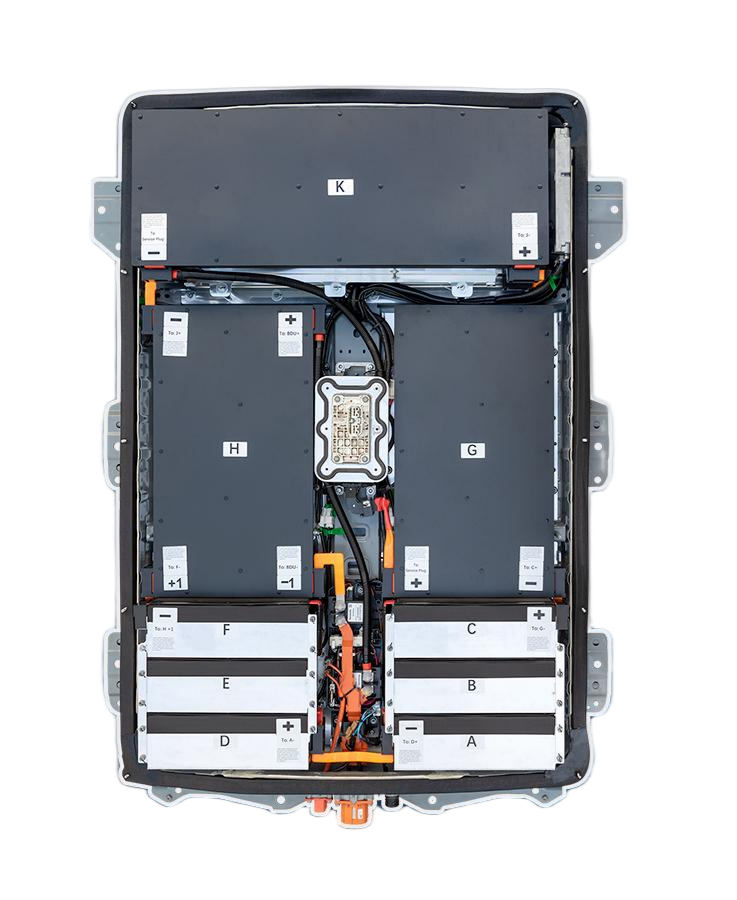
An isolation fault occurs when the high-voltage system (350–400V DC) loses electrical insulation from the vehicle chassis. The i3’s Isolation Monitoring Device (IMD) detects this and shuts down the entire HV system to prevent electrocution or fire.
Common causes:
- 🔌 Internal cell leakage (electrolyte seepage onto busbars)
- 💧 Moisture ingress into the pack (failed seals, condensation)
- 🧪 Degraded insulation on wiring or modules
- ⚡ Physical damage from road debris or improper handling
⚠️ Critical: Once triggered, the car will not operate until the fault is resolved. This isn’t a warning—it’s a hard lockout.
💰 Real Repair Cost Breakdown: What You’ll Actually Pay
| Option | Cost Range | Success Rate | Longevity | Risk |
|---|---|---|---|---|
| Dealer OEM Replacement | $12,000–$16,000 | ✅ 100% | 8+ years | None |
| Refurbished Pack (3rd Party) | $4,500–$6,500 | ❌ ~40% | 6–18 months | High (hidden faults) |
| Module-Level “Repair” | $2,000–$3,500 | ❌ <20% | Weeks–months | Very high (recurrence likely) |
| CNS New-Cell Replacement | $7,200–$8,900 | ✅ >99% | 5+ years (warranty-backed) | None |
📌 Key insight: True isolation faults almost always originate inside the pack. External fixes (like drying connectors) rarely work long-term.
Why “Repairing” an Isolation Fault Usually Fails
Many shops offer “isolation fault repair” by:
- Cleaning terminals
- Replacing contactors
- Sealing external seams
But if the fault stems from internal cell leakage or moisture between modules, these steps are cosmetic. The IMD will detect the same leakage within days.
🔬 Fact: In over 200 i3 packs we’ve analyzed with isolation faults, 92% had electrolyte residue inside the enclosure—proof of internal cell failure.
Once a lithium-ion cell leaks, the pack is permanently compromised. No amount of cleaning restores dielectric strength.
The Only Reliable Fix: Full Pack Replacement
BMW designed the i3 pack as a sealed, non-serviceable unit. There’s no approved procedure for internal repairs—and for good reason:
- Opening the pack voids safety certifications
- Reassembly rarely restores IP67 sealing
- Used modules carry hidden degradation
That’s why dealers don’t offer repairs—they know it’s unsafe.
But you don’t need to pay OEM prices.
How CNS BATTERY Solves Isolation Faults Permanently
We eliminate the root cause—not just the symptom:
✅ Brand-new CATL cells—zero risk of internal leakage
✅ Laser-welded, hermetically sealed enclosure—IP67 rated against moisture
✅ New high-voltage contactors and wiring—no aged insulation
✅ Full isolation resistance testing before shipment (>500 MΩ)
Plus:
- 2-year / 80,000 km warranty covering isolation integrity
- Plug-and-play compatibility—no coding needed for most models
- Remote support during installation to ensure safe reconnection
“After two failed ‘repairs’ from local shops, I went with CNS. Installed the 62kWh pack myself. Zero faults. Two winters later—still perfect. That isolation error never came back.”
— Lisa K., Berlin
Frequently Asked Questions: i3 Isolation Faults
Q: Can I reset the fault with a scanner?
A: Temporarily—but it will return immediately if the insulation issue remains.
Q: Will a weak 12V battery cause an isolation fault?
A: No—this is strictly a high-voltage system error.
Q: Is it safe to drive with an intermittent isolation warning?
A: Never. Even brief HV-to-chassis contact risks electrocution during charging or wet conditions.
Q: Do CNS packs meet BMW’s isolation standards?
A: Yes—we exceed them, testing to >500 MΩ (BMW spec: >100 kΩ per volt).
Q: Can water under the rear seat cause this fault?
A: Indirectly—if it seeps into the pack through degraded seals. But the fault still originates inside.
Don’t Gamble with High-Voltage Safety
An isolation fault isn’t a glitch.
It’s your car saying: “I’m no longer safe to operate.”
Respect that message—with a solution that lasts.
Replace with Confidence—Not Compromise
If your i3 has an isolation fault, partial fixes waste time and money.
Invest in a new-cell pack engineered for safety, longevity, and peace of mind.
Get a transparent quote. Drive again tomorrow:
👉 https://cnsbattery.com/ev-battery-home/ev-battery-contact/