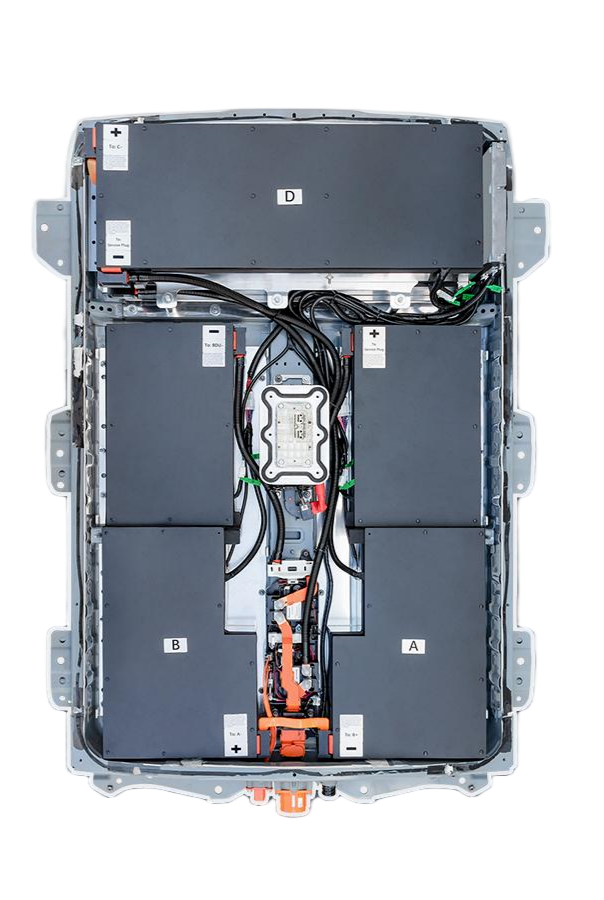
BMW i3 Battery Leak Repair: Professional Service – Why “Fixing” a Leaking Pack Is Often a Dangerous Myth
“I noticed a sticky residue under my i3’s rear seat. A local shop called it ‘coolant seepage’ and offered a $650 ‘seal repair.’ Two weeks later, the battery threw a thermal fault—and smoke came from the pack vent. An independent EV technician opened it: electrolyte had leaked from a cracked cell casing, corroding busbars and sensors. The ‘repair’ had ignored the real danger: a compromised high-voltage system. I was lucky it didn’t catch fire.”
You see fluid near your i3’s battery compartment.
You smell something sharp—like nail polish remover or burnt plastic.
A service center says, “We can reseal it.”
And you hesitate:
“Is this a minor leak… or a ticking time bomb?”
Here’s what few will tell you:
There is no safe, reliable “leak repair” for a BMW i3 lithium-ion battery pack. What’s leaking isn’t coolant—it’s flammable electrolyte, and its presence means cell integrity has failed.
In this guide, you’ll discover:
- The critical difference between condensation and true electrolyte leakage
- Why most “professional leak repairs” are temporary—and potentially hazardous
- How CNS BATTERY provides a certified, safety-first replacement path with full documentation
- And the one visual test that confirms whether your pack must be replaced—immediately
Because when high-voltage chemistry escapes its container, patching isn’t protection—it’s procrastination with risk.
What’s Actually Leaking? Not Coolant—Electrolyte
The i3’s high-voltage battery is air-cooled, not liquid-cooled. So any fluid near the pack is not coolant.
True leaks involve:
- Lithium hexafluorophosphate (LiPF₆) electrolyte—clear, oily, with a pungent odor
- Corrosive byproducts that eat through aluminum busbars and copper wiring
- Gas venting (from pressure relief valves) that leaves white crystalline residue
⚠️ Warning signs:
- Sticky or oily film on pack housing or chassis
- White/green corrosion on terminals or module seams
- Persistent “HV System Fault” codes after resets
If you see these, do not drive or charge the vehicle.
🛑 Why “Leak Repair” Services Are Misguided
Some shops offer:
- Silicone resealing of pack seams
- Cleaning and reassembly of modules
- BMS reset to clear error codes
But these ignore the core issue:
Once electrolyte leaks, the cell is breached. Internal short circuits, thermal runaway, and gas buildup become real risks—even if the car seems to run.
BMW’s official stance?
“Damaged high-voltage batteries must be replaced—not repaired.” (BMW TIS 61 11 00)
And for good reason: No adhesive or sealant can restore the hermetic integrity of a lithium cell.
The Only Safe Path: Professional Replacement
When leakage is confirmed, replacement—not repair—is the only responsible solution. But not all replacements are equal.
✅ What a True Professional Service Includes:
- Safe discharge of remaining energy (<50V)
- HV-certified removal with insulated tools
- Hazardous material handling per EPA/DOT/ADR regulations
- Installation of a new, certified pack with matched cells
- BMS coding and validation via ISTA or equivalent
This is exactly what CNS BATTERY delivers globally—with added benefits:
✅ New CATL cells in fully sealed, OEM-form-factor housings
✅ Pre-tested for zero leakage risk before shipping
✅ 2-year / 80,000 km warranty covering manufacturing defects
✅ Free technical support for installers during integration
“After my pack leaked, CNS shipped a replacement in 10 days. Their engineer walked my local garage through safe removal and coding. Total downtime: 3 days. Peace of mind: priceless.”
— Mark T., Vancouver
DIY or Local Shop? Know the Risks
| Option | Risk Level | Outcome |
|---|---|---|
| Ignore the leak | 🔴 Extreme | Thermal event, fire, total vehicle loss |
| Local “reseal” service | 🔴 High | Temporary fix; hidden corrosion worsens |
| OEM dealer replacement | 🟢 Low | Safe—but costs $12,000+ |
| CNS certified replacement | 🟢 Low | Safe, affordable, fully supported |
💡 Fact: Electrolyte exposure can cause skin burns and respiratory irritation. Only trained personnel should handle leaking packs.
How to Confirm a Leak (Before It’s Too Late)
Perform this non-invasive check:
- Park on clean concrete overnight
- Check under the rear subframe in morning light
- Look for:
- Shiny, oily spots (not water)
- Crystalline white powder near vent ports
- Swollen pack housing (gaps in seams >1mm)
If found:
- Do not charge
- Limit driving to essential movement only
- Contact a qualified EV battery specialist immediately
Frequently Asked Questions: i3 Battery Leaks
Q: Can condensation mimic a leak?
A: Yes—but condensation is clear water, evaporates quickly, and leaves no residue. Electrolyte is oily and persistent.
Q: Does CNS cover leak-related failures under warranty?
A: Yes—if caused by manufacturing defect (e.g., faulty cell weld or seal). Damage from impact or improper handling is excluded.
Q: How long does safe replacement take?
A: Most CNS customers complete removal/install in 1–2 days with a competent garage.
Q: Will insurance cover a leaking battery?
A: Often yes—if deemed a sudden failure. Provide CNS’s technical report to support your claim.
Q: Can I ship a leaking pack back for recycling?
A: No. Leaking packs are Class 9 hazardous materials requiring special transport. CNS coordinates safe disposal locally.
Safety Isn’t Optional—It’s Non-Negotiable
A leaking battery isn’t broken.
It’s compromised.
And in high-voltage systems, compromise means danger.
Choose Replacement Over Risk—With Full Professional Support
Don’t gamble with chemistry that powers your car—and could end its life.
CNS BATTERY offers the only truly safe, certified, and cost-effective path forward.
Click below to contact our technical team for immediate guidance—and a replacement solution built on safety, not shortcuts:
👉 https://cnsbattery.com/ev-battery-home/ev-battery-contact/