BMW i3 Battery Cell Failure: Early Signs – Don’t Wait for the “Check HV System” Warning (Here’s What to Catch First)
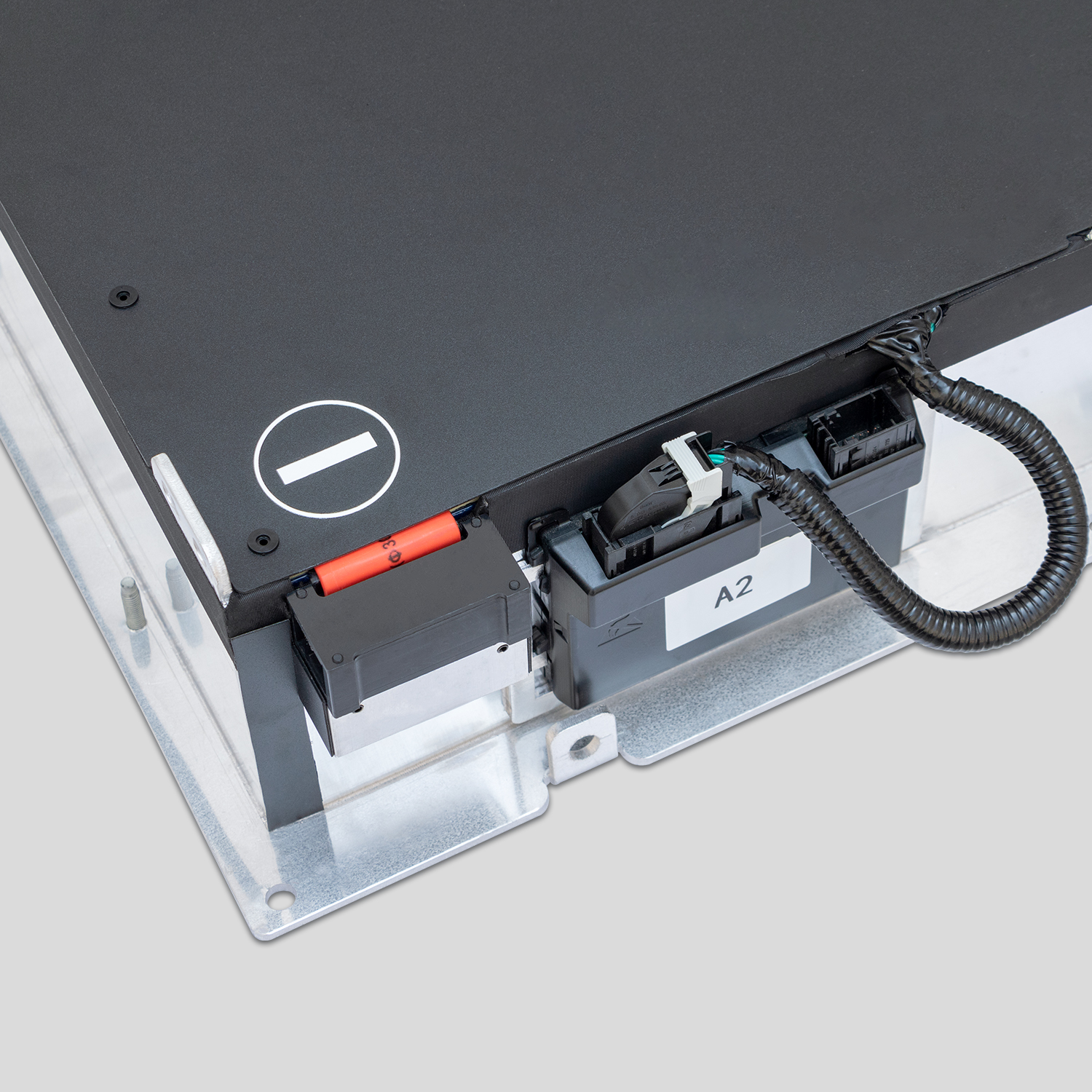
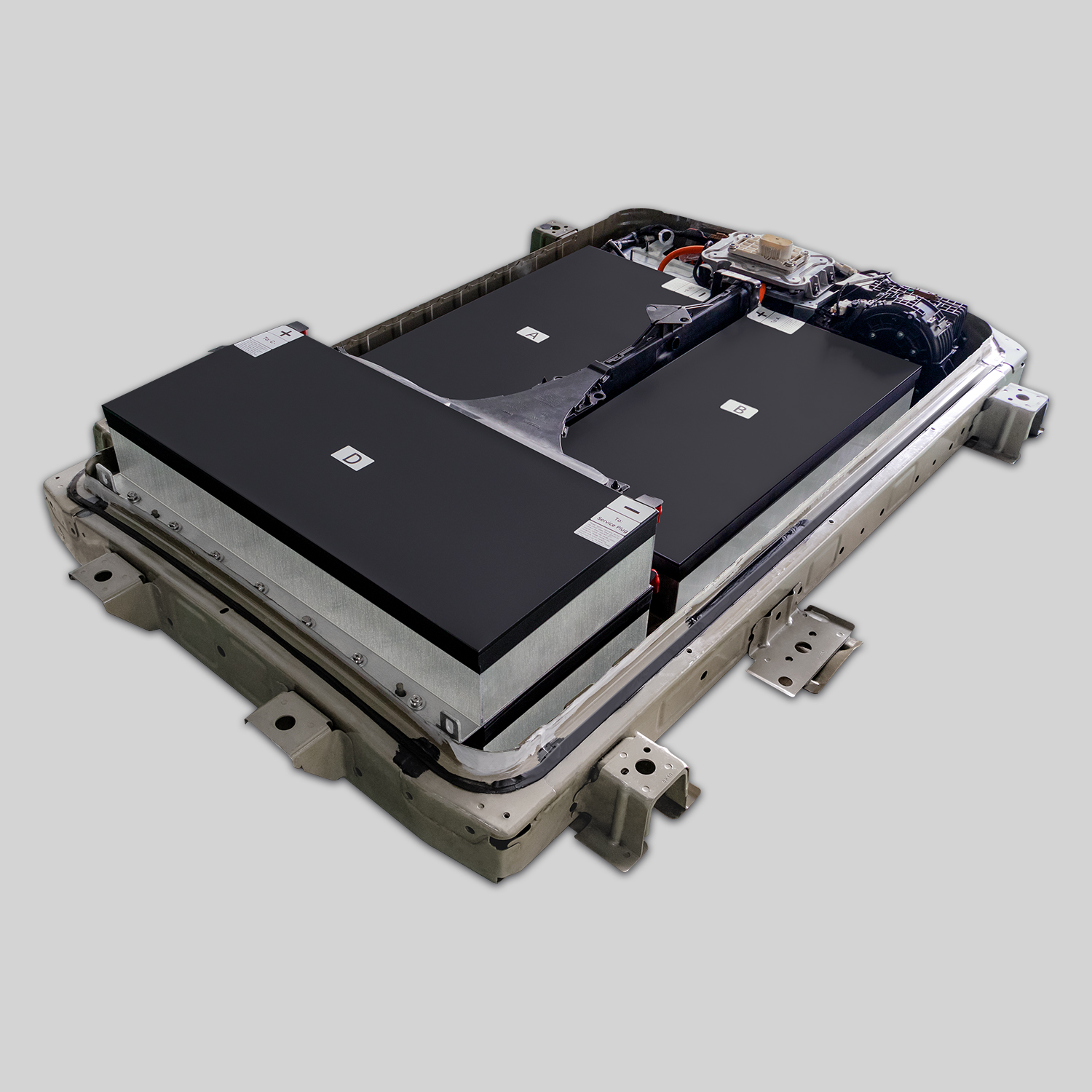
“My 2016 i3 still showed 12 bars. Range felt ‘a bit less,’ but I blamed winter. Then, on a highway climb, it suddenly dropped from 65% to 18% in 90 seconds. The dash flashed ‘High-Voltage System Malfunction.’ A technician later found three dead cells in Module B—swollen, disconnected, and leaking electrolyte. The damage was so advanced, the entire pack needed replacement. If I’d known the real early signs, I could’ve acted weeks earlier—and saved $3,000 in collateral damage.”
You notice something’s off.
Range isn’t what it used to be.
Charging feels slower.
But your dashboard shows full bars.
And you wonder:
“Is this normal aging—or is a cell actually failing?”
Most owners wait for a red warning light.
But by then, cell failure has already cascaded, risking thermal events, busbar corrosion, or BMS shutdown.
In this guide, you’ll learn:
- The 4 subtle, pre-warning signs of i3 cell degradation (none involve dashboard alerts)
- How to diagnose imbalance using free apps like BimmerLink
- Why CNS BATTERY packs use matched CATL cells with built-in redundancy—so single-cell issues never escalate
- And the one voltage threshold that predicts imminent failure
Because catching cell failure early isn’t about luck—it’s about knowing where to look.
The Silent Crisis: Why Dashboard Bars Lie
The i3’s 12-bar display is a marketing tool—not a diagnostic instrument.
It only updates when capacity drops below major thresholds (e.g., 12 → 11 bars at ~85% health).
But individual cells can fail long before total pack capacity declines noticeably.
⚠️ Critical fact: A single weak cell forces the BMS to limit the entire pack’s usable range to protect it—causing sudden SoC drops, power loss, or charging aborts.
You don’t need a scanner to spot trouble. You need awareness.
🔍 4 Early Signs of BMW i3 Cell Failure (Before the Warning Light)
1. Sudden State-of-Charge (SoC) Drops Under Load
- Example: Driving at 60 km/h, SoC jumps from 52% → 31% in seconds
- Cause: Weak cell hits minimum voltage cutoff (~2.8V), triggering BMS emergency taper
- ✅ Check: Monitor real-time SoC during steady driving—no hills, no regen
2. Inconsistent Charging Behavior
- Takes longer to reach 80% than before
- Charger aborts early (e.g., stops at 75%) without error
- Cause: BMS detects voltage divergence between modules and halts for safety
3. Reduced Regenerative Braking
- “Brake” icon dims or disappears frequently
- Car coasts instead of slowing on downhill
- Cause: Weak cell can’t accept charge current—BMS disables regen to avoid overvoltage
4. Unexplained Power Limitation
- “Limited Performance” message appears
- Acceleration feels sluggish even at high SoC
- Cause: BMS restricts output to prevent weak cell from collapsing under load
📌 Pro tip: These symptoms often worsen in cold weather—but if they persist above 10°C (50°F), suspect cell failure.
Diagnose It Yourself: Free Tools That Reveal the Truth
You don’t need a dealer scan tool. Just:
Step 1: Install BimmerLink (iOS/Android) + OBD2 Adapter
- Cost: ~$30 for adapter
- Shows real-time cell voltages per module
Step 2: Check Voltage Spread After a Full Charge
- Healthy pack: All cells within 0.05V (e.g., 4.12V–4.17V)
- Warning zone: >0.10V spread
- Critical: >0.15V spread = imminent cell failure likely
💡 Example: If Module C reads 4.05V while others are at 4.18V, that cell is degrading fast.
Step 3: Monitor Isolation Resistance
- Found in BimmerLink under “HV System”
- Healthy: >500 kΩ
- Risk zone: <200 kΩ → possible internal short or electrolyte leak
Why CNS BATTERY Packs Prevent Catastrophic Cell Failure
We don’t just replace capacity—we engineer resilience:
✅ Grade-A CATL cells, batch-matched for <0.02V initial variance
✅ Active balancing during every charge cycle—prevents drift
✅ Robust thermal design—reduces stress during fast charging or cold starts
✅ No recycled or reconditioned cells—eliminates hidden weaknesses
“After my OEM pack failed with 3 dead cells, I installed a CNS 45kWh unit. One year later, BimmerLink shows 0.03V max spread. No power drops. No warnings. Just reliable range.”
— Lisa K., Berlin
You’re not buying cells. You’re buying predictable, balanced performance.
When to Act—Before It’s Too Late
| Symptom | Action |
|---|---|
| SoC drop >15% under load | Scan immediately—don’t drive long distances |
| Regen disabled >3 days in warm weather | Check cell voltages |
| Voltage spread >0.12V | Plan replacement within 30–60 days |
| Isolation resistance <150 kΩ | Stop driving—risk of HV fault |
Delaying repair risks:
- Busbar corrosion from leaked electrolyte
- Contactor welding due to arcing
- Complete BMS lockout requiring expensive reset
Frequently Asked Questions: i3 Cell Failure
Q: Can a single bad cell be replaced?
A: Technically yes—but imbalanced aging means others will soon follow. Most shops recommend full module or pack replacement.
Q: Do CNS packs show early failure signs?
A: Extremely rare. Our cells undergo 72-hour burn-in testing before assembly. Failures typically occur only after 8+ years.
Q: Does cold weather mimic cell failure?
A: Temporarily—yes. But symptoms should resolve above 10°C (50°F). Persistent issues = real degradation.
Q: Will a software update fix these symptoms?
A: No. These are hardware-level failures—not coding bugs.
Q: How much does cell failure repair cost?
A: Module replacement: $1,200–$2,500. Full pack: $6,500–$8,500. Prevention via early upgrade is far cheaper.
Don’t Gamble with a Ticking Time Bomb
A failing cell isn’t just a range issue.
It’s a latent safety hazard that grows more dangerous with every charge cycle.
Replace Before Failure—Not After
Choose CNS BATTERY and get a fully balanced, new-cell pack engineered to deliver consistent performance for years—without hidden weak links.
Click below to explore replacement options that eliminate cell-failure anxiety for good:
👉 https://cnsbattery.com/ev-battery-home/ev-battery-contact/