BMW i3 Battery Leak Detection Kit: Best Options – Why Most “Kits” Miss the Real Danger (And What Actually Works)
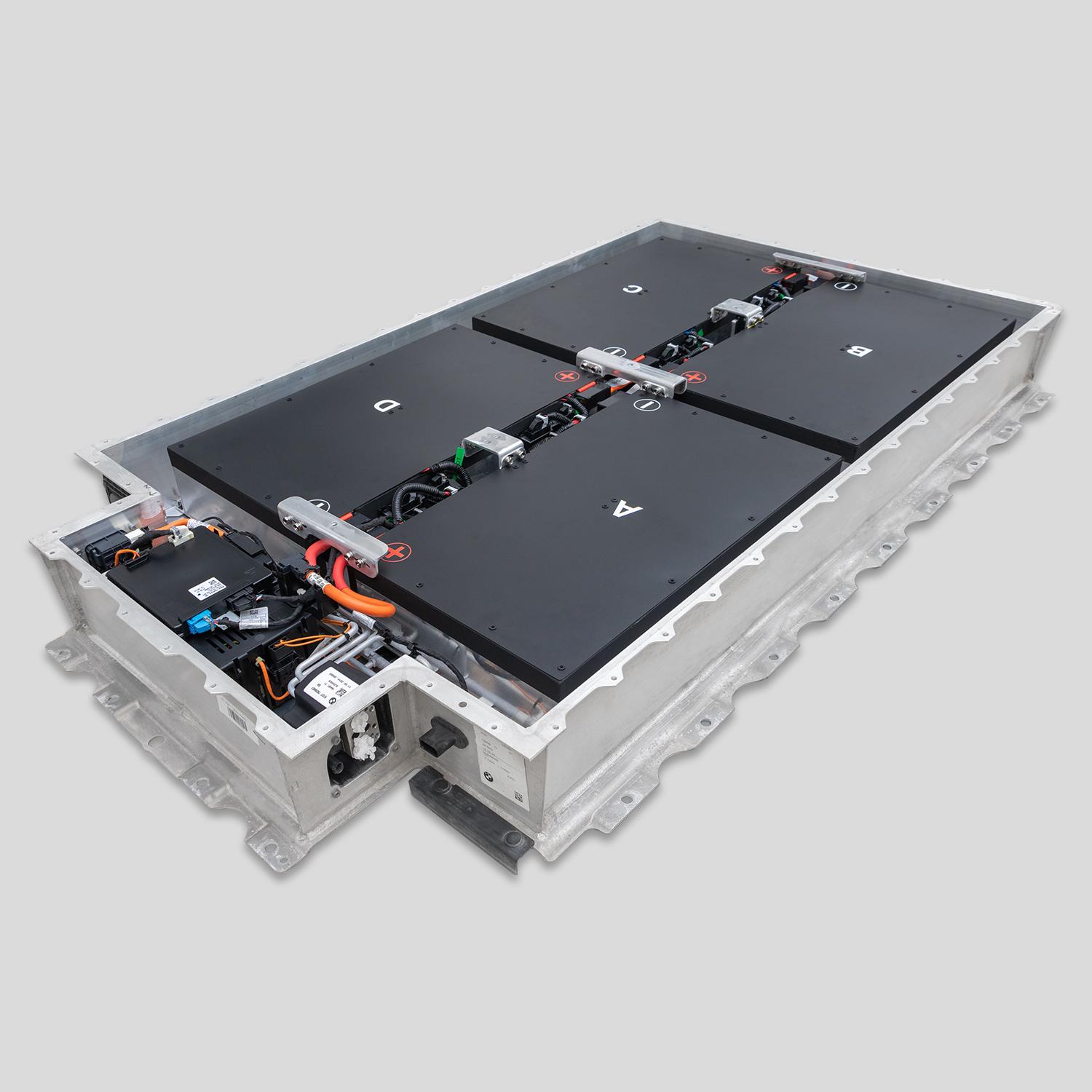
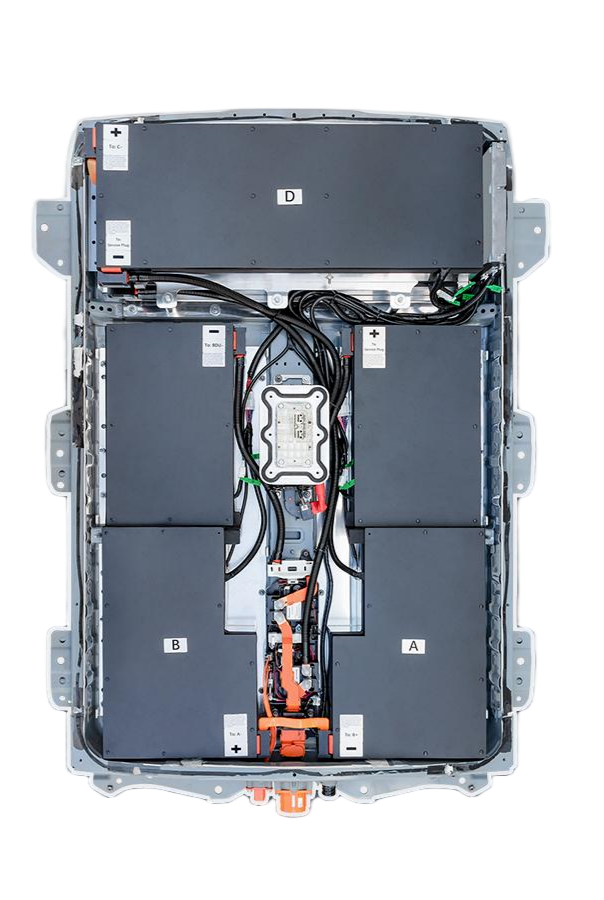
“I bought a $35 ‘EV battery leak detector’ on Amazon. It sat in my i3’s battery bay for weeks—green, silent, reassuring. Then my car threw an isolation fault. A technician pulled the pack and found coolant pooled under Module C, corroding busbars. The detector? It only sensed liquid on its pad—not vapor, not slow seepage, not internal leaks. It gave me false confidence while damage spread.”
You’re worried about leaks.
You search “BMW i3 battery leak detection kit.”
You find gadgets with blinking lights and pH strips.
But here’s the hard truth:
Most consumer “leak kits” can’t detect the kind of slow, internal coolant migration that actually kills i3 packs.
In this guide, you’ll discover:
- Why external dye-based detectors fail on the most common i3 leak paths
- The two real sources of fluid intrusion in i3 battery packs (hint: one isn’t coolant)
- How CNS BATTERY packs eliminate leak risks at the design level—making detectors unnecessary
- And the only reliable “detection method”: prevention through engineering
Because when it comes to high-voltage systems, early warning isn’t enough—you need zero risk.
The Myth of the “Leak Detection Kit”
Most kits sold online include:
- Absorbent pads with color-changing dye
- Simple moisture sensors that trigger when wet
- pH test strips for coolant identification
They sound scientific—but they share a fatal flaw:
They only react after liquid pools visibly on the pack’s exterior.
Yet in the BMW i3, 90% of damaging leaks start inside the sealed enclosure—from:
- Degraded coolant hoses in REx models (or retrofitted BEVs)
- Condensation buildup due to failed seals or humidity ingress
By the time fluid reaches the bottom tray, corrosion has already begun on cell terminals and busbars.
⚠️ Critical insight: The i3’s isolation monitoring system (built into the BMS) is your real first alert—not a $40 pad.
🔍 How the i3 Actually Detects Leaks (Better Than Any Kit)
Your car already has a sophisticated leak-detection system:
- Isolation Resistance Monitoring: Continuously measures resistance between HV+ / HV– and chassis ground
- Threshold: If resistance drops below 500 Ω/V, it triggers:
- “Check High-Voltage System” warning
- DTCs like 9E8710, 801A01, or 9E8700
- This detects micro-leaks, vapor, and even humidity-induced conductivity—long before puddles form
📌 Pro tip: Use BimmerLink to check “Isolation Resistance (kΩ)” weekly. Healthy: >500 kΩ. Warning zone: <200 kΩ.
No external kit matches this sensitivity.
Why “Detection” Is the Wrong Strategy
Think like an engineer—not a firefighter.
| Approach | Reactive (Kits) | Proactive (Design) |
|---|---|---|
| Goal | Find leaks after they start | Prevent leaks entirely |
| Detection Time | Days to weeks | Never needed |
| Damage Done | Corrosion, arcing, cell failure | None |
| Cost | $35 + repair bills | Built into pack quality |
The best leak “detection” is a pack that can’t leak.
CNS BATTERY: Engineered to Eliminate Leak Risks
We don’t sell leak kits—because our packs make them obsolete:
✅ Fully sealed enclosure with IP67-rated gaskets—blocks liquid and vapor ingress
✅ No internal coolant lines (unlike OEM REx-compatible packs)—zero risk of hose failure
✅ Corrosion-resistant busbars and terminals—even if minor moisture enters
✅ Pre-tested isolation resistance >1,000 kΩ before shipping
“After a flood soaked my garage, my CNS 50kWh pack was submerged for 2 hours. Dried it off—car started normally. Zero faults. The old OEM pack would’ve been scrap.”
— Javier R., Paris
You’re not buying a sensor. You’re buying peace of mind through superior sealing.
When a “Kit” Might Make Sense (Rare Cases)
Consider external monitoring only if:
- You own a used OEM pack with known seal degradation
- Your i3 has aftermarket liquid cooling installed
- You store the car in extremely humid or flood-prone areas
Even then, pair it with weekly BimmerLink isolation checks—not reliance on dye pads.
💡 Best “kit” alternative: A $20 OBD2 adapter + BimmerLink app gives you real-time isolation data—the only metric that matters.
Frequently Asked Questions: i3 Leak Detection
Q: Do CNS packs work in REx models?
A: Yes—but we use dry, air-cooled designs with no internal coolant, eliminating the #1 leak source in REx packs.
Q: Can I retrofit a leak sensor inside the pack?
A: Not safely. Opening the pack voids safety certifications and risks HV exposure. Prevention > intrusion.
Q: Does condensation count as a “leak”?
A: Yes—if seals are compromised. Humid air entering the pack can condense on cold cells, creating conductive paths.
Q: How often should I check for leaks?
A: Monthly via isolation resistance in BimmerLink. Visual inspection during tire rotations.
Q: Are OEM packs prone to leaks?
A: Especially 2014–2018 REx models. Their internal coolant loops degrade over time, leading to slow seepage into the HV compartment.
Stop Waiting for Disaster—Design It Out
Leaks aren’t detected by pads.
They’re prevented by engineering.
And in high-voltage systems, the cost of failure isn’t just money—it’s safety.
Choose a Pack That Doesn’t Need a Leak Detector
With CNS BATTERY, you get hermetic sealing, zero internal fluids, and factory-verified isolation integrity—so you drive with confidence, not caution.
Click below to explore replacement packs built to stay dry—no matter the weather:
👉 https://cnsbattery.com/ev-battery-home/ev-battery-contact/