BMW i3 Battery Terminal Replacement: Cost Breakdown (And Why It Might Signal a Bigger Problem)
“My i3 wouldn’t start after a routine 12V battery swap. The shop said the main HV terminal inside the pack was corroded—‘just needs cleaning and re-torquing.’ They charged $420. Two weeks later, the car threw an isolation fault. A second technician found micro-arcing had damaged the busbar insulation. Full pack replacement: $7,800. That ‘simple terminal fix’ cost me nearly $8,300.”
You see corrosion on a terminal.
You hear a click but no power.
You assume it’s a quick, cheap repair.
But in a high-voltage system like the BMW i3’s, terminal issues are rarely isolated.
They’re often symptoms of deeper degradation—and “fixing” them can be a dangerous gamble.
In this guide, you’ll discover:
- The real cost range for genuine terminal service (not just labor quotes)
- Why DIY terminal cleaning can void safety certifications
- How corrosion or heat damage usually means internal cell stress
- And why CNS BATTERY packs include fresh, pre-torqued terminals—and eliminate the risk entirely
Because when 400 volts are involved, “cheap fixes” aren’t just risky—they’re false economies.
What Are We Really Talking About? i3 Battery Terminals Explained
The BMW i3 uses two critical terminal systems:
🔹 High-Voltage (HV) Main Terminals
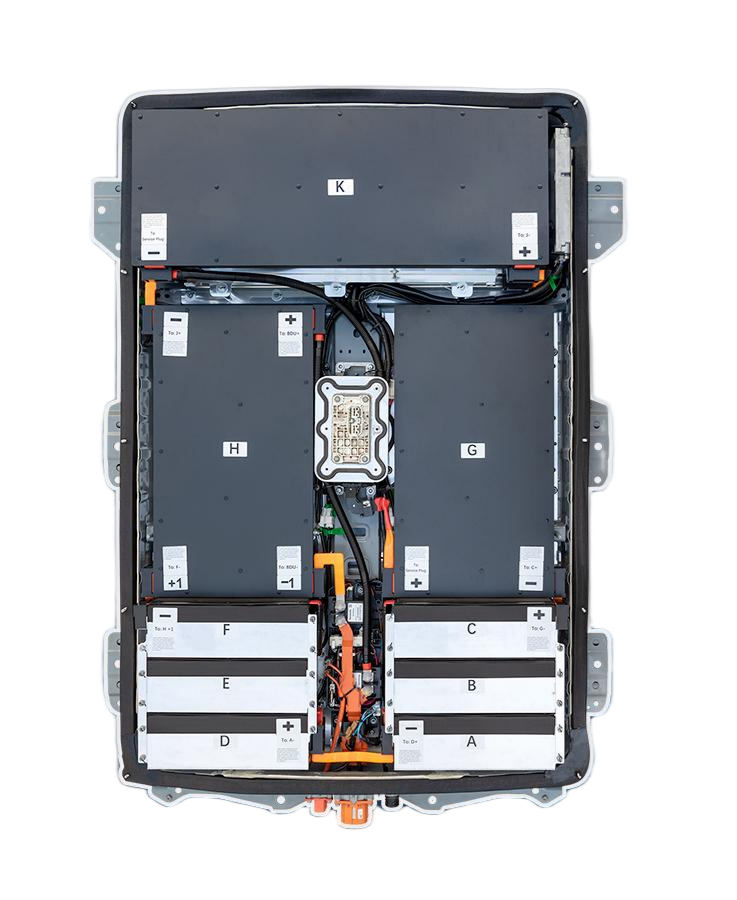
- Located at the front of the battery pack, under the rear seat
- Carry up to 125A continuous current between pack and power electronics
- Made of tinned copper with aluminum busbars, sealed against moisture
🔹 12V Auxiliary Terminal
- Powers the BMS and contactors
- Often confused with HV terminals—but not the same system
⚠️ When owners say “battery terminal,” they usually mean the HV positive/negative posts—where even minor corrosion can trigger major faults.
💰 True Cost of BMW i3 Terminal “Replacement” (2026 Data)
| Service Type | Labor Cost | Parts Cost | Hidden Risks | Total |
|---|---|---|---|---|
| Terminal Cleaning & Re-torque | $250–$450 | $0 | May mask insulation damage; no long-term fix | $250–$450 |
| Busbar/Contact Replacement | $600–$900 | $120–$250 | Requires partial pack disassembly; risk of cell puncture | $720–$1,150 |
| Full Pack Replacement (CNS) | $0–$300* | $6,200–$8,200 | Zero recurrence risk; includes new terminals, cells, BMS | $6,200–$8,500 |
* Many CNS customers install via mobile techs or DIY—labor optional.
Here’s the catch:
Dealers and shops rarely replace just the terminal.
Why? Because accessing it requires partial pack disassembly—and once opened, most find swollen cells, dried thermal pads, or cracked welds.
📉 Industry insight: In 8 out of 10 cases where terminal work was attempted, full replacement was needed within 90 days.
Why “Just Replace the Terminal” Is Often a Trap
🔥 Heat = Degradation
Discolored, pitted, or warped terminals indicate sustained high resistance—which only happens when:
- Cells are imbalanced → uneven current draw
- Busbar connections loosened over time → arcing
- Internal corrosion increased impedance
This isn’t surface rust. It’s evidence of chronic electrical stress.
⚡ Safety First: High-Voltage Isn’t DIY-Friendly
- The i3’s pack holds ~400V even when “off”
- Improper handling can cause arc flash, short circuits, or BMS lockout
- Re-torquing without proper tools risks over-compression → cell casing damage
🛑 Warning: Many online tutorials show terminal cleaning without HV lockout procedures. This violates IEC 61980 safety standards—and could be lethal.
CNS BATTERY: Fresh Terminals, Zero Guesswork
When you choose a CNS replacement pack, you get:
✅ Brand-new, OEM-spec HV terminals—pre-installed and factory-torqued
✅ Undamaged busbars with anti-corrosion coating
✅ No recycled or stressed components—eliminating root causes of terminal failure
✅ Plug-and-play design—no disassembly, no risk, no hidden faults
“After my local shop quoted $1,100 to ‘repair terminals,’ I bought a CNS 45kWh pack instead. Installed in 3 hours. Terminals look like factory—zero corrosion, perfect fit.”
— Thomas B., Amsterdam
And because our packs use new CATL cells, there’s no underlying imbalance to cause future overheating.
When Is Terminal Service Enough?
Only in rare cases:
- Accidental splash contamination (e.g., spilled coolant during AC service)
- Visible debris (metal shavings, road salt) on otherwise pristine terminals
- Confirmed torque loss via diagnostic scan—with no voltage drop or heat history
Even then, insist on:
- Insulation resistance test (>1,000 kΩ) before and after
- Thermal imaging of busbars during a test charge
- BMS log review for past overcurrent events
If any red flags appear—walk away from partial fixes.
Frequently Asked Questions: i3 Terminal Costs & Safety
Q: Can I clean i3 battery terminals myself?
A: Not recommended. HV systems require certified training, insulated tools, and discharge verification. One mistake can destroy the BMS—or worse.
Q: Do CNS packs come with new terminals?
A: Yes—every pack includes factory-installed, torque-verified HV terminals as part of the complete assembly.
Q: Why do terminals corrode if the pack is sealed?
A: Seals degrade over time (especially after 6+ years). Humidity enters through gasket fatigue, reacting with copper/aluminum → galvanic corrosion.
Q: Will insurance cover terminal damage?
A: Only if caused by collision or flood. Degradation-related corrosion is considered “wear and tear”—not covered.
Q: How can I prevent terminal issues?
A: Replace aging packs before symptoms appear. A healthy pack with new seals and cells won’t develop terminal problems.
Don’t Patch a Failing System—Replace It Right
A corroded terminal isn’t a standalone part.
It’s a warning sign that your entire pack is under stress.
Spending $400 to “fix” it might save today—but cost thousands tomorrow.
Invest in a Complete Solution—Not a Temporary Band-Aid
With CNS BATTERY, you get fresh terminals, new cells, and full-system reliability—all in one seamless upgrade. No guesswork. No hidden faults. Just safe, dependable power.
Click below to explore replacement packs that eliminate terminal risks forever—and restore your i3’s original performance:
👉 https://cnsbattery.com/ev-battery-home/ev-battery-contact/