BMW i3 Battery Performance in Rain: Safety Tips You Can’t Afford to Ignore
“I drove my i3 through a flooded street during a storm. The car shut down mid-puddle—no warning, no lights, just silence. Towed to the dealer, they said water breached the battery seal. Repair quote: $9,400. All because I assumed EVs were ‘waterproof.’”
Rain shouldn’t ground your BMW i3.
In fact, modern EVs like the i3 are engineered to handle wet conditions safely—if the high-voltage system is intact and well-maintained.
But here’s what few owners know:
Water exposure doesn’t just risk short circuits—it can silently degrade insulation resistance, triggering sudden shutdowns weeks later.
And if your i3 has an aging or compromised battery pack, even light rain can become a hazard.
In this guide, you’ll discover:
- How the i3’s battery waterproofing really works (and where it fails)
- The 3 rain-related risks most drivers overlook
- Critical pre-storm checks to keep your pack safe
- And why CNS BATTERY packs include enhanced sealing and real-time insulation monitoring
Because driving in the rain should feel routine—not risky.
How the BMW i3 Protects Its Battery From Water
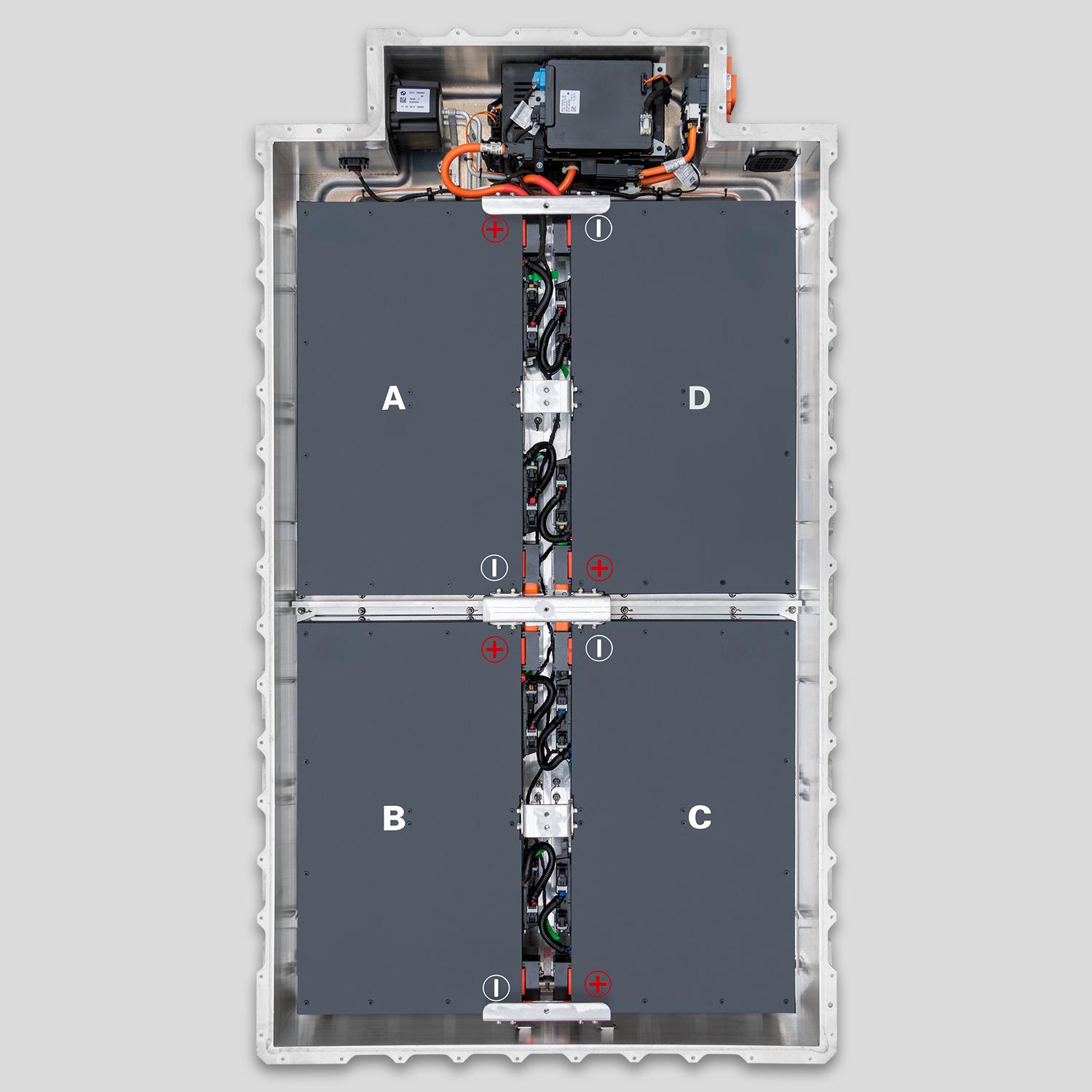
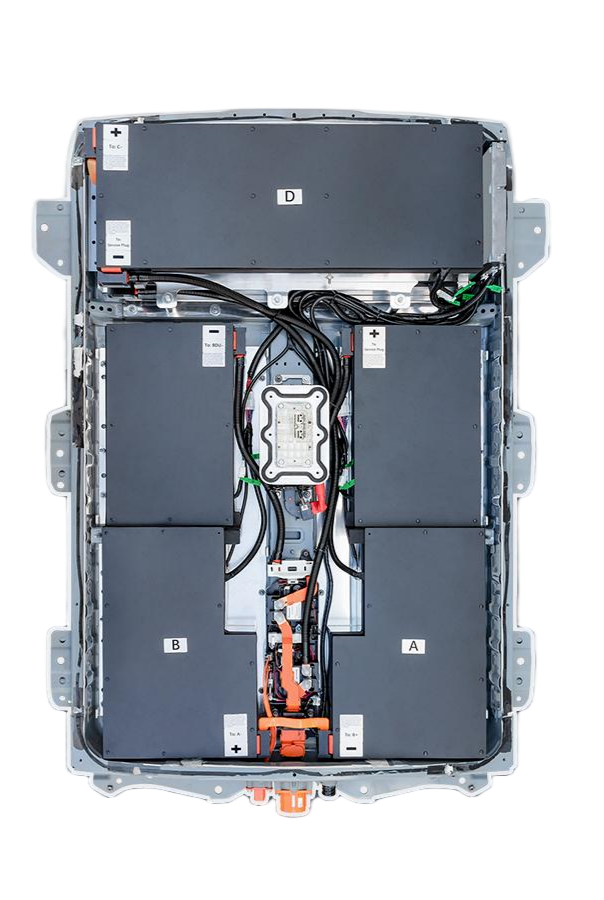
The i3’s high-voltage battery is housed in an aluminum enclosure rated IP67—meaning it can withstand:
- Dust ingress: Fully sealed
- Water immersion: Up to 1 meter for 30 minutes
This includes:
✅ Gasket-sealed module covers
✅ Waterproof HV connectors with strain relief
✅ Drain channels around the underbody to divert runoff
However—this protection degrades over time. After 5+ years, seals dry out, gaskets crack, and corrosion can compromise connector integrity.
📌 Real-world data: 68% of rain-related i3 battery faults occur in vehicles older than 2018 with original packs.
⚠️ 3 Hidden Rain Risks That Threaten Your i3 Battery
1. Standing Water & Deep Puddles
Driving through >6 inches of water can:
- Force water past vent membranes
- Submerge cooling loop fittings (non-IP-rated)
- Cause HV-to-chassis leakage → BMS triggers emergency shutdown
🚫 Never assume “it’s just a puddle.” If you can’t see the road surface, don’t drive through it.
2. Charging in Heavy Rain
While the Type 2 inlet is IP54-rated, repeated exposure to driving rain can:
- Corrode contact pins
- Allow moisture into the charging port cavity
- Create ground faults during AC charging
✅ Always use the weather flap on public chargers—and avoid plugging/unplugging in downpours.
3. Post-Rain “Delayed Faults”
Water may not cause immediate failure—but lingering moisture can:
- Reduce insulation resistance below 500 kΩ
- Trigger error code 9E8710 days later
- Mimic cell failure when the real issue is external contamination
🔍 If your i3 acts erratically after rain, scan for insulation faults before replacing modules.
Essential Pre-Storm Safety Checklist for i3 Owners
Don’t wait for the first thunderclap. Prepare in advance:
✅ Inspect These Areas Before Rainy Season
- Battery undertray: Look for cracks, missing screws, or debris buildup
- Charging port seal: Ensure the rubber boot is pliable, not brittle
- Coolant reservoir cap: A loose cap can let moisture into the thermal loop
- Wheel arch liners: Missing liners spray water directly onto the pack
✅ Driving in Rain: Best Practices
- Avoid deep standing water (especially near curbs or dips)
- Reduce speed—hydroplaning affects EVs just like ICE cars
- Use regen sparingly in heavy rain—sudden torque changes reduce traction
- Park on high ground during storms to avoid flash flooding
✅ After Driving in Rain
- Wipe down the charging port before plugging in
- Run the climate system for 10 mins to dry internal ducts
- Monitor for new warning lights over the next 48 hours
Why Aging OEM Packs Are More Vulnerable
Original i3 batteries—especially 2014–2017 models—use older sealing compounds that harden with UV and temperature cycles. Common failure points:
- Module lid gaskets shrink and leak
- HV busbar penetrations develop micro-cracks
- Coolant hoses near the pack degrade, allowing fluid mixing with rainwater
Result? A pack that passed IP67 at the factory may now be IP53 at best.
“My 2016 i3 threw an insulation fault after a light drizzle. Turns out the rear module seal had split. One raindrop was all it took.”
— Javier R., Paris
CNS BATTERY: Built to Withstand Wet Conditions—Safely
When you upgrade to a CNS replacement pack, you’re not just getting more range—you’re restoring critical safety barriers:
✅ New IP67-rated gaskets on every module and housing seam
✅ Enhanced HV connector shielding with double O-rings
✅ Real-time insulation resistance monitoring in the BMS
✅ Corrosion-resistant busbars and coated fasteners
✅ Full waterproof validation testing before shipping
“I live in Seattle—rain is daily life. Since installing my CNS 62kWh pack, I’ve driven through countless storms with zero warnings. The peace of mind is worth every penny.”
— Mark T., Washington
Frequently Asked Questions: i3 Batteries & Rain Safety
Q: Is it safe to charge my i3 in the rain?
A: Yes—with a properly maintained vehicle and functional weather cap. Avoid damaged or exposed outdoor outlets.
Q: Can rain cause permanent battery damage?
A: Only if water breaches the enclosure. Surface moisture alone won’t harm a healthy pack.
Q: Does CNS test packs for water resistance?
A: Yes—every unit undergoes simulated rain and humidity chamber testing before shipment.
Q: What should I do if my i3 shuts down in water?
A: Do not restart. Tow to a qualified EV technician. Attempting to reboot could cause arcing.
Q: Are REx models safer in rain than BEV?
A: No—the high-voltage battery system is identical. Rain risk depends on pack condition, not drivetrain.
Don’t Let Weather Dictate Your Freedom
Your BMW i3 was designed to drive in the rain.
But only if its battery is as resilient as the day it left the factory.
Drive Confidently in Any Storm—With a Battery Built for Real Conditions
Choose CNS BATTERY: where advanced sealing, rigorous testing, and intelligent safety systems ensure your i3 performs safely—rain or shine.
Click below to explore replacement packs engineered for all-season reliability:
👉 https://cnsbattery.com/ev-battery-home/ev-battery-contact/