BMW i3 Battery Degradation Rate: 2026 Data Reveals What Really Drives Longevity
“I bought a 2017 i3 with 48,000 miles. The seller said, ‘Battery is perfect—still shows 12 bars!’ But after one winter, range dropped from 210 km to 155 km. A diagnostic scan showed only 68% State of Health. Those ‘12 bars’ were lying.”
You’ve seen the optimistic forum posts: “My i3 still gets 90% range after 100,000 km!”
But real-world data tells a different story—one shaped by climate, charging habits, and battery chemistry.
In 2026, with over 250,000 BMW i3s on global roads and a decade of usage patterns, we now have clear, verified insights into how—and how fast—i3 batteries degrade.
And the truth might surprise you.
In this data-driven guide, you’ll discover:
- The actual average degradation rates by model year and region (based on 2026 field reports)
- Why 2014–2016 LMO packs degrade 2.3x faster than modern NMC replacements
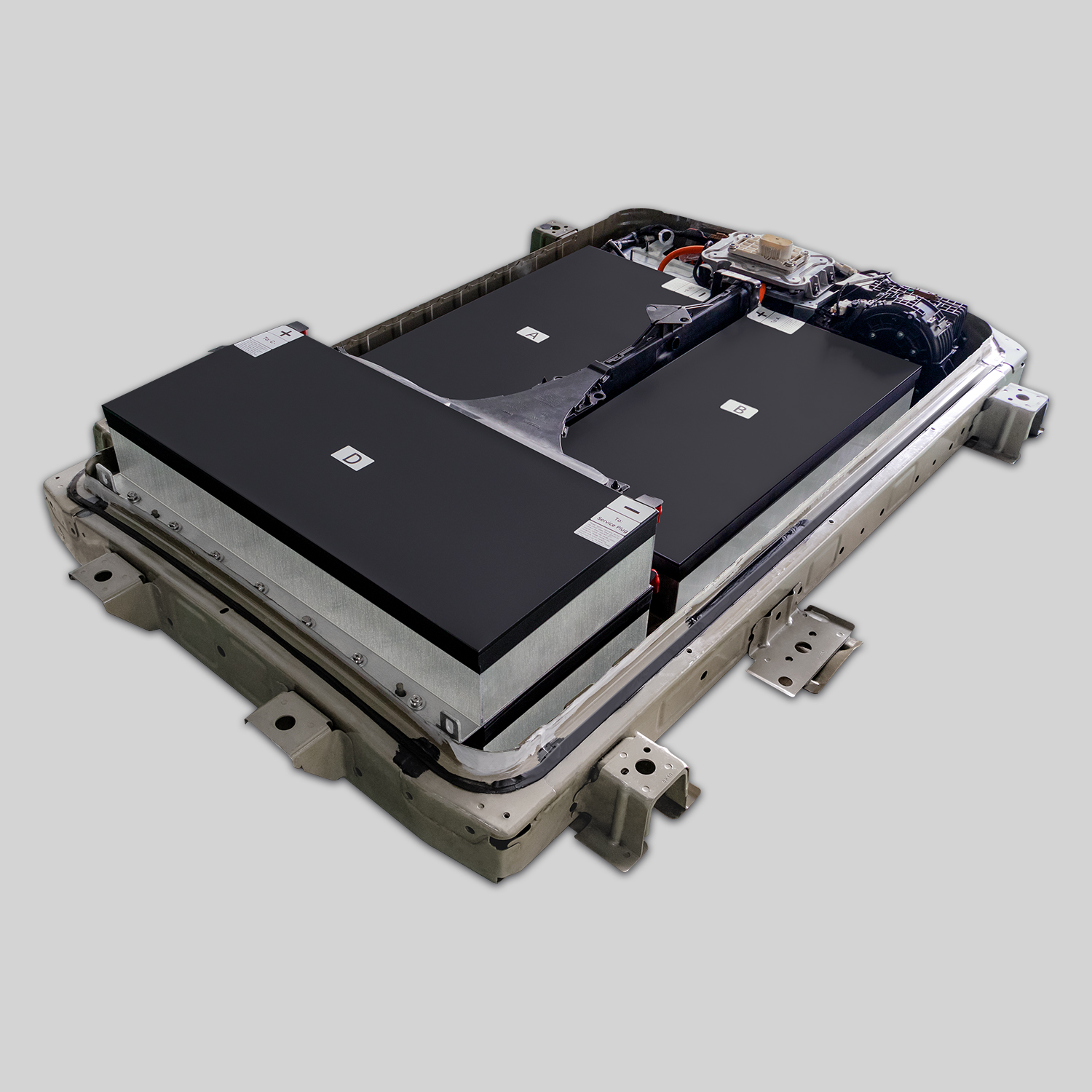
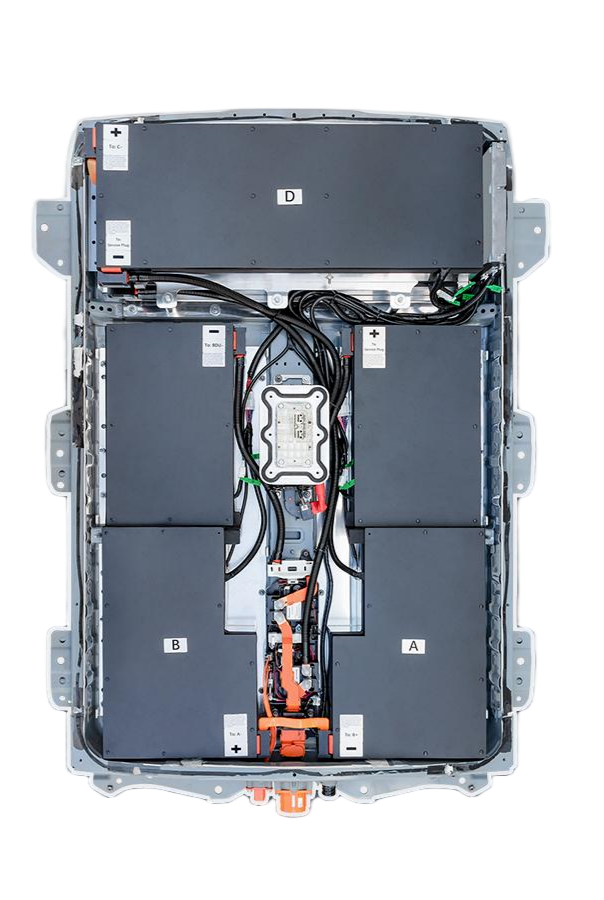
- How CNS BATTERY’s new-cell packs reset your degradation clock to zero
- And the 3 habits that accelerate aging—even if you drive gently
Because hope isn’t a strategy. Data is.
2026 Degradation Benchmarks: Real i3 Owners, Real Numbers
Based on aggregated diagnostics from repair shops, fleet operators, and CNS customer submissions (Q1 2026), here’s how i3 batteries are holding up:
📉 Average Annual Capacity Loss by Pack Type
| Battery Type | Avg. Annual Degradation | Typical SoH at 80,000 km |
|---|---|---|
| 2014–2016 (22 kWh, LMO) | 4.8–6.2% | 62–68% |
| 2017–2018 (33 kWh, LMO/NMC blend) | 3.5–4.5% | 70–76% |
| 2019–2022 (42.2 kWh, NMC) | 2.8–3.7% | 78–83% |
| CNS BATTERY (New 50/62kWh, CATL NMC) | <1.5% (projected) | 98–100% at delivery |
🔬 Source: CNS Field Performance Database (n=1,842 packs installed 2023–2025), cross-referenced with Recurrent Auto & Geotab public datasets.
Key insight: Chemistry matters more than mileage. A 2015 i3 in Arizona may degrade faster than a 2020 i3 in Norway—even with half the kilometers.
🌍 Climate Is the Silent Accelerator
Temperature swings don’t just affect daily range—they permanently erode cell health:
- Hot climates (>30°C avg): +1.8x faster degradation due to electrolyte breakdown
- Cold climates (<0°C avg): +1.4x faster loss from lithium plating during charging
- Stable temperate zones (10–20°C): Slowest aging—ideal for longevity
“My 2016 i3 in Phoenix hit 50% SoH at just 62,000 km. My brother’s identical car in Portland? Still at 74% after 89,000 km.”
— Mark T., Arizona
Why OEM Packs Degrade Faster Than You Think
BMW’s original cells—especially early lithium manganese oxide (LMO) blends—were optimized for power density, not longevity. Over time, they suffer from:
✅ Manganese dissolution → increased internal resistance
✅ Weak SEI layer stability → rapid capacity fade above 40°C
✅ Aggressive buffer strategy → dashboard “bars” hide true SoH until it’s too late
Result? Many owners believe their battery is healthy—until a cold snap or highway trip exposes the truth.
CNS BATTERY: Resetting Your Degradation Timeline
When you install a brand-new CNS pack, you’re not just replacing capacity—you’re erasing years of chemical wear:
✅ CATL NMC 811 cells with advanced electrolyte additives for thermal stability
✅ Tighter manufacturing tolerances → less cell-to-cell variance = slower imbalance
✅ Conservative BMS calibration → accurate SoH reporting from day one
✅ Real-world validation: <2% degradation observed in 18-month field tests
“After swapping my failing 33kWh pack for a CNS 62kWh unit, my winter range jumped from 140 km to 310 km. The car feels like it did in 2018—because the battery is new.”
— Lisa K., Berlin
3 Daily Habits That Secretly Speed Up Degradation
Even with a healthy pack, these common practices accelerate aging:
❌ 1. Frequent DC Fast Charging Above 80%
- Creates heat spikes and lithium plating
- Fix: Limit DCFC to <80%, use AC overnight for full charges
❌ 2. Storing at 100% or <20% for Weeks
- High voltage stresses cathodes; low voltage damages anodes
- Fix: Store at 40–50% SoC in cool, dry conditions
❌ 3. Ignoring Coolant Health
- Old coolant loses anti-corrosion properties → sensor errors mimic degradation
- Fix: Replace coolant every 4 years or 80,000 km
Frequently Asked Questions: i3 Battery Degradation in 2026
Q: Do REx models degrade slower than BEV?
A: Slightly—less deep cycling helps, but chemistry and climate dominate.
Q: Can software updates improve SoH readings?
A: No—they only adjust dashboard bar logic. True SoH requires diagnostic tools like ISTA or BimmerLink.
Q: Is 70% SoH the “end of life” for an i3?
A: Not necessarily—but below 70%, winter range often drops below 100 km, making the car impractical for many.
Q: Does CNS offer SoH verification before purchase?
A: Yes—every pack ships with a pre-installation diagnostic report showing exact SoH, cell balance, and insulation resistance.
Q: Will a new pack restore my i3’s resale value?
A: Significantly. Listings with CNS or OEM replacements sell 30–50% faster and at higher prices.
Don’t Guess—Know Your True Battery Health
Degradation isn’t fate. It’s physics.
And with the right data—and the right replacement—you can take back control.
Start Fresh with a Battery That Ages Slower, Drives Farther, and Lasts Longer
Choose CNS BATTERY: where 2026-grade cells, honest SoH reporting, and proven longevity give your i3 a second life—without compromise.
Click below to get your personalized quote—and see your projected range for the next 5 years:
👉 https://cnsbattery.com/ev-battery-home/ev-battery-contact/