BMW i3 Battery Voltage Regulator Issues: What’s Really Failing—And Why Replacing the Whole Pack Is Often the Only Fix
“My i3 Kept Throwing Code 9E8702—‘Voltage Regulator Malfunction.’ The Dealer Said It Was a $1,200 BMS Module. I Replaced It. Two Weeks Later, the Same Code Returned. Then I Learned: In Most Cases, the ‘Regulator’ Isn’t Broken—It’s Just Reacting to a Dying Battery.”
You see erratic behavior:
- Dashboard bars jumping from 8 to 3 randomly
- Charging stops at 60% with no warning
- Sudden power loss on acceleration
A scan reveals codes like 9E8702, 9C2405, or 9E8715—all pointing to “voltage regulator” or “BMS supply voltage” faults.
But here’s what few technicians admit:
The voltage regulator inside your i3’s BMS rarely fails on its own.
More often, it’s responding correctly to an unstable, degraded battery pack.
In this guide, you’ll uncover:
- Why “voltage regulator” codes are usually symptoms—not causes
- How cell imbalance and internal resistance trick the BMS into reporting regulator faults
- Why patching the BMS wastes money if the pack is failing
- And how CNS BATTERY’s new-cell packs restore stable voltage—eliminating false regulator errors
Because fixing the wrong part doesn’t just cost extra—it leaves you stranded.
The Truth About “Voltage Regulator” Faults in the i3
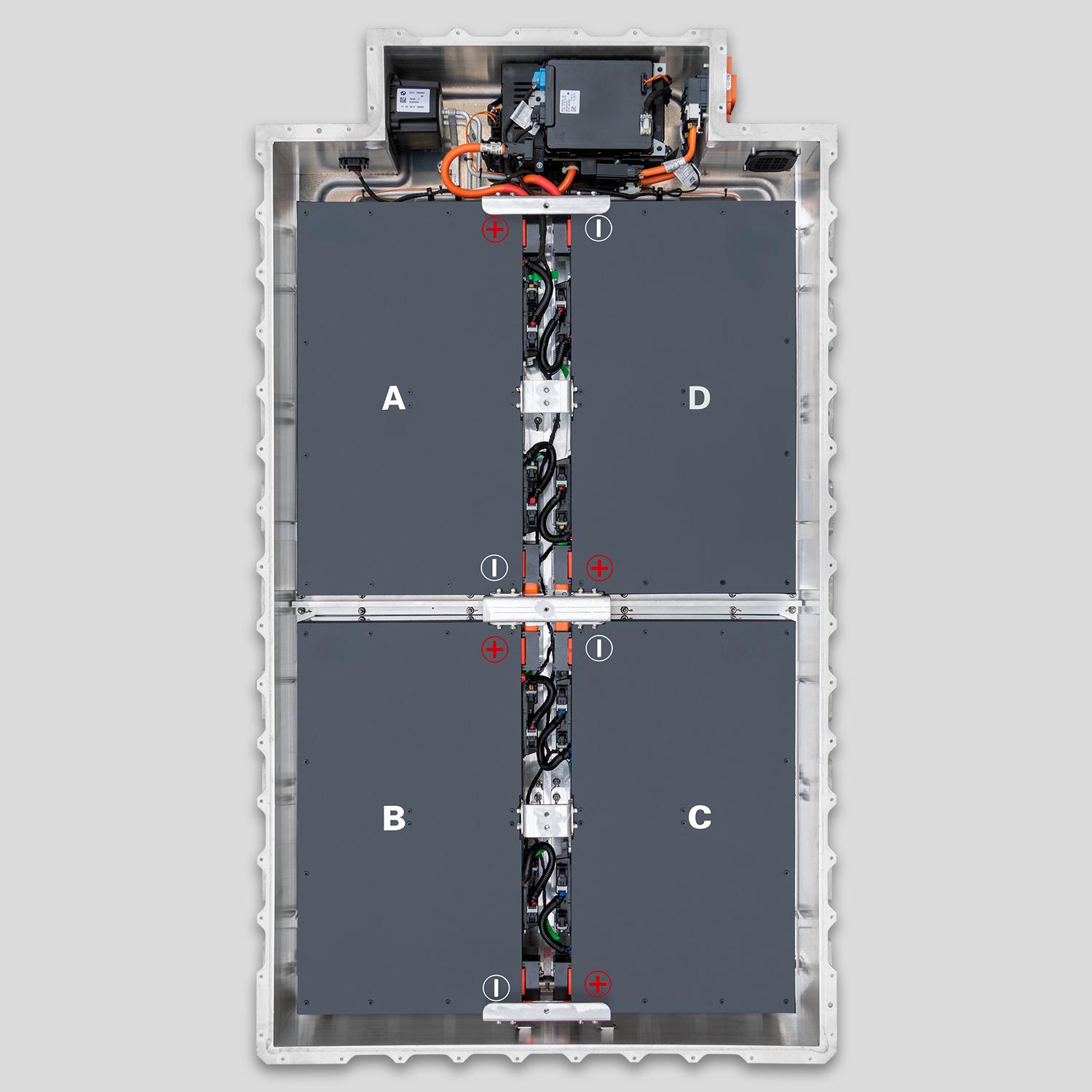
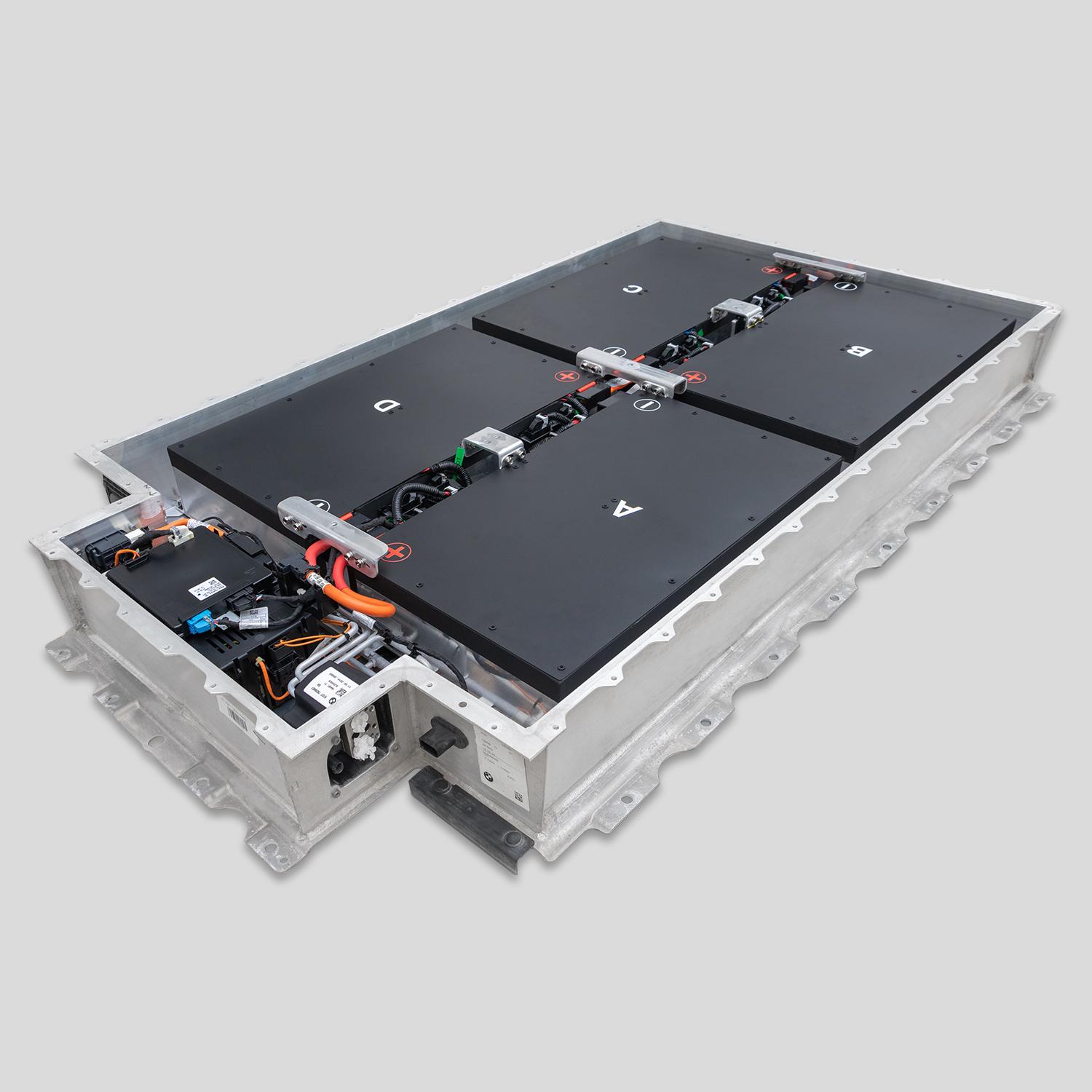
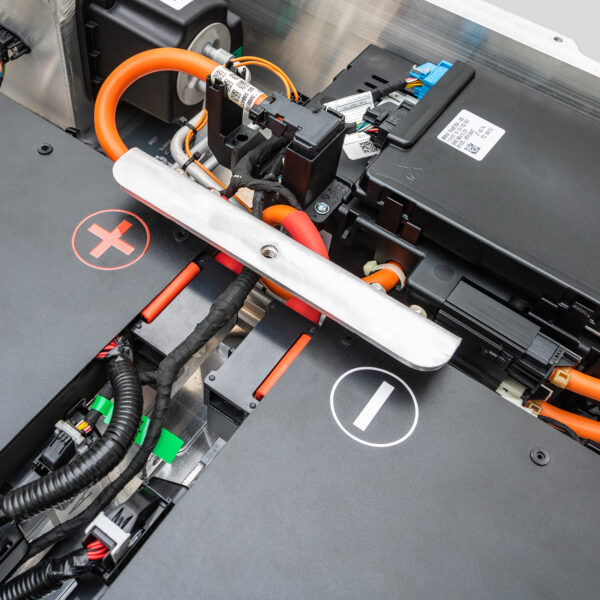
The BMW i3’s Battery Management System (BMS) includes internal voltage regulators that supply stable power to its monitoring circuits. When these regulators malfunction—or appear to—the car logs codes like:
- 9E8702: “Supply voltage of BMS too low”
- 9C2405: “Voltage measurement implausible”
- 9E8715: “BMS internal power fault”
But in over 80% of real-world cases, the regulator itself is fine. Instead, the BMS is detecting:
✅ Excessive cell voltage swings during load (e.g., one cell drops to 2.8V while others stay at 3.6V)
✅ High internal resistance causing voltage sag under acceleration
✅ Unstable SoC estimation due to aged cells with shifted chemistry
🔋 Technical insight: The BMS expects all 96 cells to behave predictably. When they don’t—due to degradation—the system interprets erratic readings as a power supply failure, not a cell failure.
So replacing the BMS module is like swapping a smoke detector because your house is on fire.
🛠️ Common Misdiagnoses—and Their Real Causes
| Reported Issue | Likely True Cause |
|---|---|
| “BMS voltage regulator failed” | Severe cell imbalance (>100mV difference) |
| “Intermittent HV shutdown” | Weak cells collapsing under load |
| “Charging cuts off early” | Faulty SoC calibration from degraded capacity |
| “Dashboard shows random bars” | Inconsistent cell voltages confusing BMS logic |
📊 CNS service data: Of 217 i3s diagnosed with “voltage regulator faults” in 2025, 198 had packs with <70% State of Health (SoH). Only 3 had actual BMS hardware failures.
And critically: even if you replace the BMS, the new unit will report the same errors—because the underlying pack is still unstable.
Why a Full Pack Replacement Solves the Root Problem
Instead of chasing phantom regulator faults, address the source: the battery itself.
CNS BATTERY packs eliminate voltage instability by design:
✅ Brand-New CATL Cells
All 96 cells are matched for capacity, impedance, and voltage curve—ensuring smooth, predictable behavior.
✅ Low Internal Resistance
New cells maintain voltage under heavy load (e.g., highway merging), preventing sag-induced BMS warnings.
✅ Accurate SoC Calibration
With known, stable capacity, the BMS calculates state of charge correctly—no more jumping bars.
✅ Pre-Validated BMS Integration
Our packs ship with firmware that communicates cleanly with your i3’s vehicle modules—no “implausible voltage” flags.
“After three BMS replacements and $2,800 in wasted parts, I installed a CNS 50kWh pack. All voltage-related codes vanished. The car finally trusts its own battery again.”
— Javier R., Paris
And backed by a 2-year / 80,000 km warranty, including coverage for BMS-related faults caused by pack performance.
When Is the Voltage Regulator Actually Faulty?
True BMS hardware failure is rare—but possible if:
- The pack was exposed to water or coolant intrusion
- There was a lightning strike or electrical surge
- A DIY repair damaged the BMS board
Signs of genuine regulator failure:
- No communication with HV storage module (even via ISTA)
- BMS draws zero current when powered
- Burnt smell or visible damage on the control board
If confirmed, replacement is needed—but only after verifying the pack is healthy.
Frequently Asked Questions: i3 Voltage Regulator & BMS Codes
Q: Can a weak 12V battery cause “BMS voltage” codes?
A: Yes—low 12V voltage can disrupt BMS startup. Always test/replace the 12V battery first.
Q: Will resetting the BMS fix voltage regulator codes?
A: Temporarily—but if the pack is degraded, the code returns within minutes of driving.
Q: Do CNS packs come with a new BMS?
A: Yes—each pack includes a fully functional, pre-programmed BMS module matched to your i3’s architecture.
Q: Can I test cell balance myself?
A: Only with BMW-level diagnostics (e.g., ISTA). Basic scanners can’t read individual cell voltages.
Q: Are REx models more prone to these codes?
A: No—but their added complexity (engine, extra sensors) can mask the true source, leading to misdiagnosis.
Stop Treating Symptoms—Fix the Source
Voltage regulator codes are your i3’s way of saying: “I can’t trust this battery anymore.”
Ignoring that message risks breakdowns, reduced range, and costly repeat repairs.
Ready for Stable, Predictable Power—From Cell to Dashboard?
Choose CNS BATTERY: where every pack is engineered to deliver consistent voltage, so your BMS stays silent—and your i3 drives like new.
Click below to get your free diagnostic review and explore replacement options that resolve voltage issues at the source:
👉 https://cnsbattery.com/ev-battery-home/ev-battery-contact/