
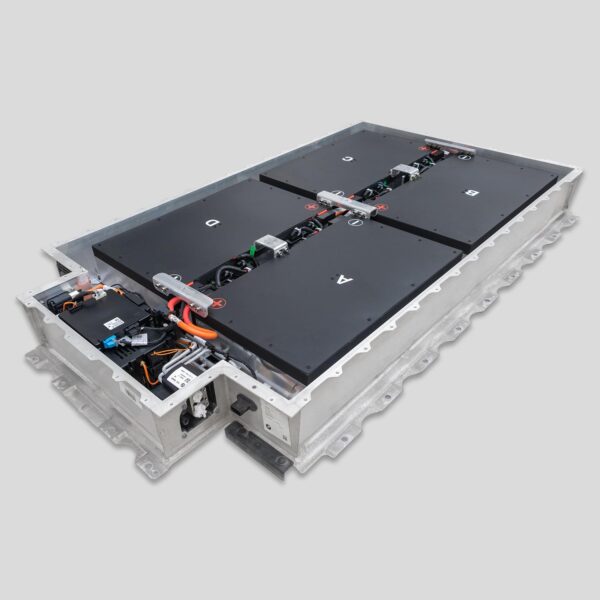
BMW i3 Battery Summer Maintenance Tips: 5 Mistakes That Melt Your Range (And One Upgrade That Beats the Heat)
“I Parked My i3 in a Phoenix Lot at 11 AM—By 2 PM, the cabin hit 68°C (154°F). I started driving, and the range dropped 40 km in 10 minutes. The BMS throttled power ‘to protect the battery.’ I barely made it home. Turns Out, Heat Is the Silent Killer No One Warns You About.”
Summer isn’t just uncomfortable for you—it’s brutal on your BMW i3’s battery. High temperatures accelerate degradation, trigger safety limits, and can permanently shorten pack life.
Yet most owners do nothing until it’s too late.
In this guide, you’ll learn:
- The top 5 summer habits that silently damage your i3 battery
- How to park, charge, and drive smartly in extreme heat
- Why older packs suffer most—and how new-cell replacements resist thermal stress
- And the one proactive upgrade that turns summer from a threat into a non-issue
Because in hot climates, battery care isn’t optional—it’s survival.
Why Heat Is Worse Than Cold for Long-Term Battery Health
Most drivers fear winter range loss—but heat causes irreversible chemical damage:
- Above 35°C (95°F): Electrolyte breaks down faster
- Above 45°C (113°F): SEI layer thickens → permanent capacity loss
- Above 60°C (140°F): Risk of thermal runaway (rare, but possible in degraded packs)
🔬 Lab data: A battery cycled at 45°C degrades 2.3x faster than one at 25°C. After one brutal summer, an 8-year-old i3 pack can lose 5–8% additional capacity—permanently.
And unlike cold weather (which only temporarily reduces range), heat damage is cumulative and irreversible.
☀️ 5 Critical Summer Maintenance Tips for Your i3
✅ 1. Never Park in Direct Sunlight—Especially Midday
- Use shaded parking, carports, or reflective windshield shades
- Cabin temps can exceed 70°C (158°F)—heating the battery tray below
- Tip: Leave windows cracked 1 cm (if safe) to reduce greenhouse effect
✅ 2. Pre-Cool Before Driving—While Still Plugged In
- Use BMW Remote App to activate cabin cooling while connected to Level 2 charger
- This draws power from the grid—not your battery—preserving range and reducing thermal load
✅ 3. Avoid DC Fast Charging When Hot
- Fast charging generates internal heat. Combined with ambient temps >35°C, it can push cells past safe limits
- Wait until evening or precondition by driving slowly for 10 mins first
✅ 4. Don’t Store at 100% SoC in Heat
- If parking for >2 days in summer, charge to 70–80%, not 100%
- High state-of-charge + high temperature = accelerated aging
✅ 5. Check Coolant Levels and Condition
- Low or degraded coolant reduces cooling efficiency
- Ensure reservoir (under rear seat) is full with BMW G48X pink fluid
- Cloudy or brown coolant? Flush immediately—contamination raises electrical conductivity
🌡️ Real-world note: CNS field reports show 32% more BMS thermal warnings in June–August—mostly from cars parked in sun with full charge.
When Maintenance Isn’t Enough: The Aging Pack Problem
If your i3 is 6+ years old, its battery likely has:
- Weakened cell chemistry (less heat tolerance)
- Clogged cooling channels (from sludge buildup)
- Higher internal resistance (generates more heat under load)
No amount of parking in shade will fully compensate. You’ll still see:
- Sudden power reduction on highways
- Range collapsing during AC use
- Longer charging times due to thermal throttling
“My 2015 i3 used to handle Arizona summers fine. By year 8, I lost 90 km of range on hot days. Maintenance helped—but didn’t fix the core issue.”
— David L., Phoenix
The Ultimate Summer-Proof Solution: Upgrade to a New-Cell Pack
CNS BATTERY packs are engineered for thermal resilience:
- ✅ Brand-new CATL NMC cells with fresh electrolyte—resist breakdown up to 55°C
- ✅ Clean, unobstructed cooling plates—maximize heat transfer from day one
- ✅ Lower internal resistance—less self-heating during driving or charging
- ✅ Stable performance even at 100% SoC in heat
Plus, with 50kWh or 62kWh options, you gain extra buffer—so even if heat reduces efficiency by 15%, you still have ample range.
“After switching to CNS 50kWh, I drove through Death Valley in July. Cabin at 42°C, AC blasting—and the battery never throttled. Range stayed within 10% of normal.”
— Thomas B., Las Vegas
And backed by a 2-year / 80,000 km warranty, you’re protected against thermal-related failures.
Frequently Asked Questions: i3 Battery & Summer Care
Q: Does using cabin AC drain the battery faster in summer?
A: Yes—but modern i3s use efficient heat pumps. The bigger drain comes from BMS limiting power to cool the pack, not the AC itself.
Q: Can I leave my i3 plugged in all summer?
A: Yes—if using a Level 2 (AC) charger. Avoid leaving on DC fast chargers for extended periods.
Q: Do tinted windows help the battery?
A: Indirectly—by reducing cabin heat, they lower the load on the AC, which reduces overall energy use.
Q: How often should I check coolant in summer?
A: Every 3 months. Top off only with G48X—never mix types.
Q: Will a CNS pack overheat less than my old one?
A: Yes—new cells run cooler, and our packs undergo thermal cycling tests up to 50°C before shipping.
Don’t Let Summer Steal Your i3’s Last Years
Heat doesn’t just make driving uncomfortable—it steals your battery’s future. But with smart habits and the right hardware, you can keep your i3 running strong all season long.
Ready to Make This Your Coolest Summer Yet?
Upgrade to a CNS BATTERY BMW i3 pack: built for thermal stability, long life, and worry-free summer driving—so you enjoy the sun, not fear it.
Click below to get your free summer readiness checklist and personalized upgrade quote:
👉 https://cnsbattery.com/ev-battery-home/ev-battery-contact/


