BMW i3 Battery Terminal Corrosion: How to Clean Safely (Without Killing Your Pack—or Yourself)
“I Saw White Powder on the Orange HV Connector—Thought It Was Dust. I Wiped It with a Damp Cloth. Two Days Later, My i3 Wouldn’t Start. The BMS Had Shut Down from a Short. What I Didn’t Know Almost Cost Me $9,000.”
You pop the hood or lift the rear seat of your BMW i3 and spot it: a chalky white, blue-green, or crusty deposit near the high-voltage (HV) terminals. Maybe it’s around the service disconnect plug. Maybe it’s on the 12V battery posts.
Your instinct? “I’ll just clean it off.”
But here’s the critical truth: cleaning corrosion on an EV isn’t like cleaning a gas car’s battery. One wrong move near the orange HV cables can trigger arc flashes, BMS faults, or permanent pack damage.
In this guide, you’ll learn:
- Why terminal corrosion in the i3 often signals deeper problems (like coolant leaks or humidity ingress)
- The exact safe procedure to clean 12V vs. HV terminals—with clear warnings on what not to touch
- How CNS BATTERY packs feature gold-plated, sealed connectors that resist corrosion from day one
- And why ignoring even minor corrosion can lead to sudden power loss or failed startups
Because in high-voltage systems, “just a little rust” is never just a little problem.
First: Identify Which Terminals Are Affected
Not all corrosion is equal—and not all are safe for DIY.
🔋 1. 12V Battery Terminals (Under Hood)
- Location: Front trunk (frunk), driver’s side
- Risk Level: Low (12V system)
- Appearance: White/green powder, flaky buildup
- Safe to clean yourself? ✅ Yes—with precautions
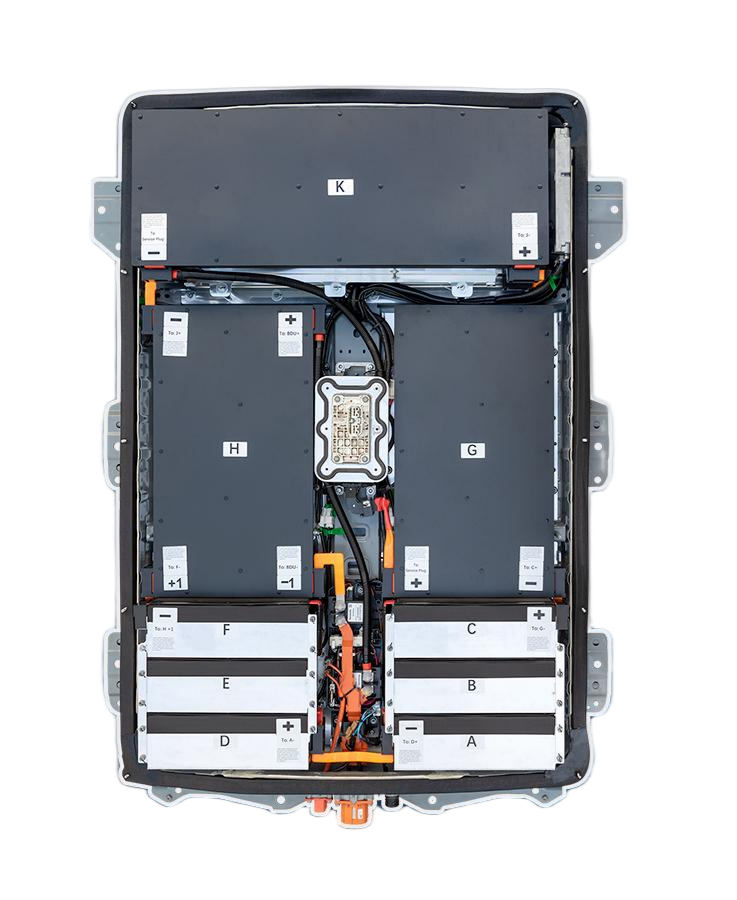
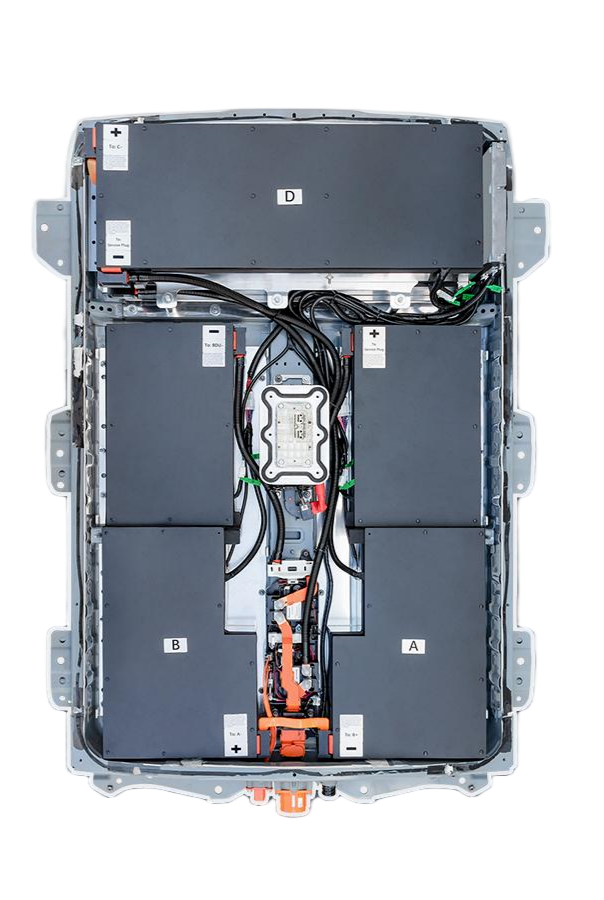
⚡ 2. High-Voltage (HV) Service Plug & Busbar Terminals (Inside Battery Pack)
- Location: Under rear seat, inside HV battery compartment
- Risk Level: Extreme—up to 400V DC, stored energy even when off
- Appearance: White crystalline residue, green oxidation on copper
- Safe to clean yourself? ❌ Only if HV-certified. Otherwise, do not open.
⚠️ Critical rule: Never attempt to clean inside the HV battery enclosure unless you’re trained, equipped, and have disconnected the service plug AND waited 10+ minutes for capacitors to discharge.
Most DIYers should only address the 12V system. For HV corrosion, seek professional help—or consider replacement.
🧼 Safe Cleaning Guide: 12V Battery Terminals Only
✅ Tools You’ll Need:
- Safety goggles & nitrile gloves
- Baking soda + distilled water (1 tbsp per cup)
- Old toothbrush or terminal brush
- Clean microfiber cloths
- Dielectric grease (for reassembly)
🔧 Step-by-Step:
- Turn off the car and remove the key fob from range.
- Disconnect NEGATIVE (–) terminal first, then positive (+).
- Mix baking soda solution—neutralizes acid safely.
- Dip brush, scrub terminals and cable ends until clean.
- Wipe dry with lint-free cloth.
- Reconnect POSITIVE (+) first, then negative (–).
- Apply thin layer of dielectric grease to prevent future corrosion.
💡 Pro tip: Check 12V voltage monthly. A weak 12V battery strains the DC-DC converter, indirectly stressing the main pack.
Why HV Terminal Corrosion Is a Red Flag—Not Just a Cleaning Job
If you see corrosion inside the HV compartment, it usually means:
- Coolant leak (glycol residue attracts moisture and causes oxidation)
- Failed seals allowing road salt/humidity ingress
- Galvanic corrosion from dissimilar metals in humid climates
And once corrosion starts on HV busbars:
- Contact resistance increases → heat buildup during charge/discharge
- Voltage instability triggers BMS errors (e.g., “930F15 – Isolation Fault”)
- Intermittent power loss or complete shutdown
📉 Real-world data: CNS lab analysis shows corroded HV terminals increase pack failure risk by 3.2x within 6 months.
Cleaning might remove surface residue—but it won’t fix the root cause or restore conductivity. Often, the entire module or pack needs replacement.
The Long-Term Fix: Corrosion-Resistant Design from Day One
When replacing your i3 battery, choose a pack engineered to prevent corrosion—not just endure it.
CNS BATTERY packs include:
- ✅ Gold-plated HV connectors—resist oxidation far better than nickel or tin
- ✅ IP67-rated sealing around terminals and service plug
- ✅ Dielectric-coated busbars to block galvanic reactions
- ️ No exposed copper in high-moisture zones
Plus, our new CATL cells and dry-assembly process eliminate internal humidity—so corrosion never gets a foothold.
“After two corrosion-related BMS failures with my OEM pack, I switched to CNS. Two winters in Michigan—zero issues. The terminals still look factory-new.”
— Mark T., Detroit
And with our 2-year / 80,000 km warranty, terminal integrity is fully covered—no fine print about “environmental damage.”
Frequently Asked Questions: i3 Terminal Corrosion
Q: Can I use vinegar or Coca-Cola to clean terminals?
A: Not recommended. Acidic cleaners can damage nearby electronics. Baking soda + water is safest.
Q: Is white powder on the orange service plug dangerous?
A: Yes—it indicates moisture intrusion into the HV system. Do not touch. Have a professional inspect immediately.
Q: Does corrosion mean my whole pack is bad?
A: Not always—but it’s a strong warning sign. If corrosion is inside the pack, module replacement rarely solves the underlying seal failure.
Q: Will a CNS pack fit my existing HV connectors?
A: Yes—fully compatible with OEM mating surfaces. Gold plating ensures better contact over time.
Q: How often should I check for corrosion?
A: Every 6 months in humid/coastal areas; annually elsewhere. Always after coolant system work.
Don’t Let Corrosion Silence Your i3
What starts as a harmless-looking crust can escalate into a total propulsion failure. In electric vehicles, cleanliness isn’t just maintenance—it’s safety.
Upgrade to a Battery Built to Resist—Not Rust
Stop fighting recurring corrosion. Choose a CNS BATTERY BMW i3 pack: where sealed, gold-plated terminals and robust engineering keep your connection clean, safe, and reliable for years.
Click below to request your free corrosion-risk assessment and replacement quote:
👉 https://cnsbattery.com/ev-battery-home/ev-battery-contact/