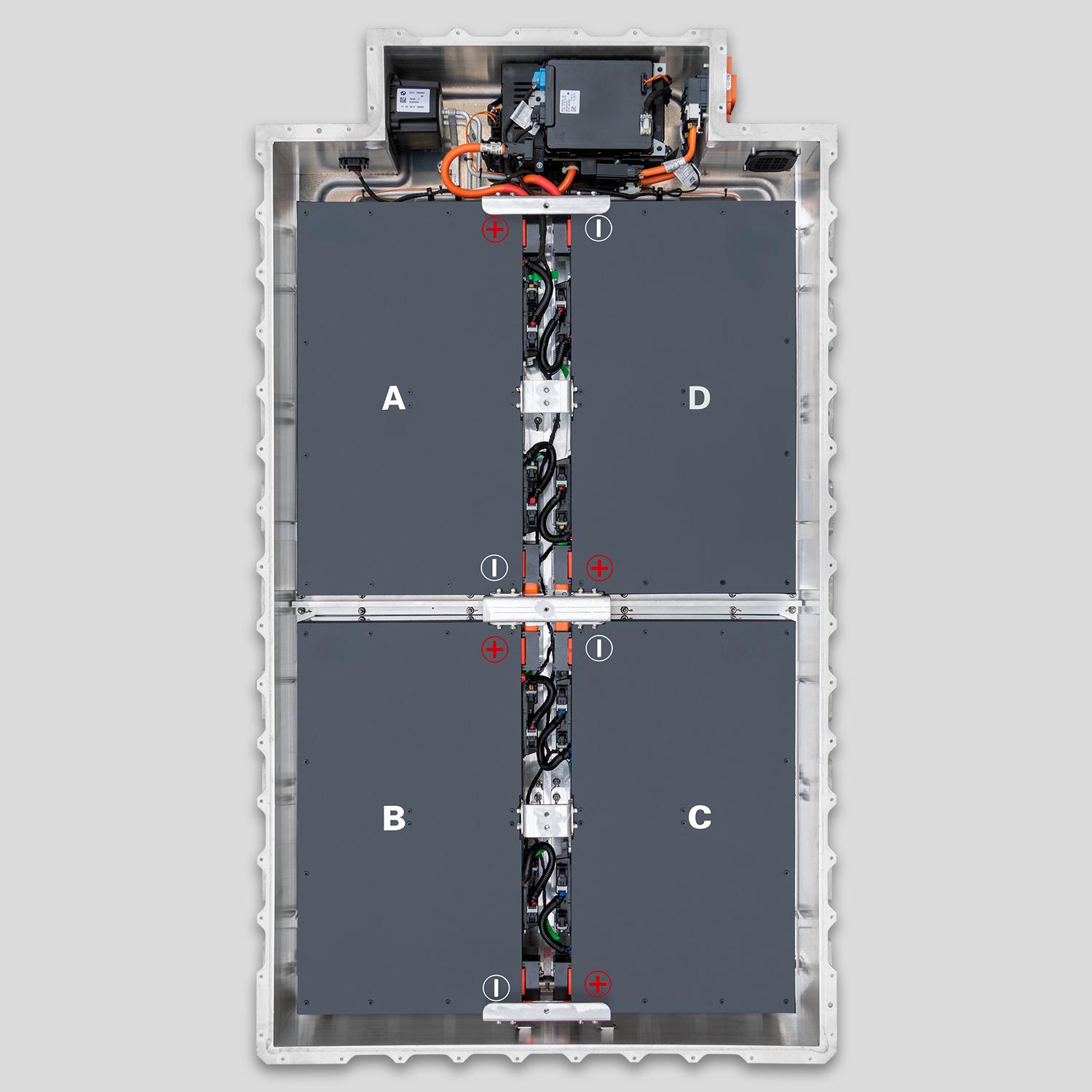
BMW i3 Battery Health Check: Professional vs DIY—Which One Actually Tells You the Truth?
“I Used a $20 OBD2 Dongle and Saw ‘92% SOH.’ Two Weeks Later, My i3 Wouldn’t Accept Fast Charging. The Dealer Said the Pack Was at 68%—and Dying. My ‘DIY Check’ Gave Me False Confidence.”
You care about your BMW i3. You monitor tire pressure, rotate tires, and change cabin filters. So when it comes to the most expensive component—the high-voltage battery—you want to stay ahead of problems.
But here’s the uncomfortable truth: most DIY battery health checks for the i3 are dangerously incomplete. They show surface-level data that looks reassuring… while critical cell imbalances, internal resistance spikes, and BMS drift go undetected.
In this guide, you’ll discover:
- Why dashboard bars and basic OBD2 apps lie by omission
- What real State of Health (SoH) assessment requires—beyond voltage readings
- How professional diagnostics catch failures months in advance
- And why owners who skip proper checks often face $10,000 surprises
Because knowing your battery’s true condition isn’t just useful—it’s essential to avoiding stranded days and costly replacements.
The Illusion of Control: What DIY Tools Actually Show
Most i3 owners rely on one of these for battery health:
- Dashboard bars (12-segment display)
- Free OBD2 apps (e.g., BimmerLink, Carly, EVNotify)
- Generic Bluetooth scanners
These tools report:
- State of Charge (SoC) — how full it is right now
- Estimated range — based on recent driving
- Average pack voltage — a single number masking module differences
❌ What they don’t show:
- Individual module voltages
- Internal resistance (IR) per cell
- Cell balancing activity
- BMS error logs or isolation faults
- True State of Health (SoH) — which requires capacity testing
A pack can show 10/12 bars while hiding a failing module with swollen cells or high IR—until it’s too late.
🔍 Professional Battery Health Check: What Experts Actually Measure
Certified EV technicians and battery specialists use BMW ISTA, AVL DiTEST, or dedicated battery cyclers to perform a full assessment:
✅ 1. Module-by-Module Voltage Scan
- Identifies imbalances >0.3V between modules—a red flag for degradation
✅ 2. Internal Resistance (IR) Testing
- High IR = reduced power delivery, heat buildup, and charging limits
- Healthy i3 cells: <1.5 mΩ**; failing cells: **>3.0 mΩ
✅ 3. Capacity Validation via Controlled Discharge
- Charges to 100%, then discharges at fixed load while measuring actual kWh delivered
- Compares to original spec (e.g., 33kWh usable for 94Ah) → calculates true SoH %
✅ 4. BMS Log Analysis
- Checks for isolation faults, contactor errors, or thermal events
- Reveals hidden safety shutdowns not shown to driver
✅ 5. Thermal Imaging
- Detects hot spots during charge/discharge—signs of internal shorts
📊 Real-world example: A 2018 i3 showed 9 bars and 220 km range via app. Professional test revealed 62% SoH, one module at 4.8 mΩ IR, and recurring isolation warnings. Replacement was urgent.
When DIY Might Be Enough (And When It’s Not)
✔️ Safe for DIY if:
- You’re checking routine SoC or trip efficiency
- Your i3 is under 40,000 km and <4 years old
- No warning lights or performance issues exist
❌ Never rely on DIY if:
- You see reduced fast-charging speed
- Regenerative braking cuts out early
- Range drops suddenly in mild weather
- You’re buying a used i3
- You plan long-term storage or long trips
⚠️ Critical insight: BMW’s own service bulletins state that dashboard bars are not diagnostic tools—they’re consumer-friendly estimates only.
The Hidden Cost of “Good Enough” Monitoring
Owners who trust incomplete DIY data often:
- Delay replacement until failure → get stranded
- Overpay for used i3s with hidden battery wear
- Void warranties by ignoring early BMS warnings
- Damage packs further by fast-charging degraded cells
Meanwhile, those who invest in professional health checks:
- Replace packs on their schedule, not during emergencies
- Negotiate better prices on used cars using real SoH data
- Extend pack life with targeted driving/charging habits
CNS BATTERY’s Free Pre-Purchase Health Assessment
If you’re considering a battery upgrade—or verifying your current pack’s status—CNS offers complimentary professional-grade analysis:
- Submit your VIN and recent error logs
- Our engineers review compatibility and degradation risk
- Get a customized recommendation: repair, replace, or monitor
And if you choose a CNS replacement pack, you gain:
- Brand-new CATL cells with verified low IR
- Real-time SoH reporting via BMS (accessible through standard OBD2)
- 2-year / 80,000 km warranty with no hidden exclusions
“I almost bought a used i3 with ‘10 bars.’ CNS analyzed the seller’s scan data and found 71% SoH. Saved me $5,000 in future battery costs.”
— David L., Toronto
Frequently Asked Questions: i3 Battery Health Checks
Q: Can I measure SoH accurately with a home tool?
A: No—true SoH requires controlled discharge testing. Apps estimate based on BMS data, which degrades over time.
Q: How often should I get a professional check?
A: Every 12–18 months after year 4, or immediately if you notice performance changes.
Q: Does BMW dealerships offer full SoH tests?
A: Rarely—they usually only read fault codes. Ask specifically for “capacity validation”; many won’t do it.
Q: Will a CNS pack show accurate health in my existing apps?
A: Yes—our BMS reports real SoC, SoH, and module voltages compatible with BimmerLink, Carly, and more.
Q: Is internal resistance testing safe?
A: Yes—when done by professionals using calibrated equipment. Never attempt with DIY rigs.
Don’t Guess—Know
Your i3’s battery health isn’t a mystery—but it’s also not something a $20 dongle can fully reveal. True peace of mind comes from accurate, comprehensive data, not optimistic approximations.
Ready for a Battery Health Check That Actually Matters?
Whether you’re evaluating your current pack or planning an upgrade, start with facts—not guesses.
Click below to request your free professional-grade BMW i3 battery health assessment from CNS BATTERY experts:
👉 https://cnsbattery.com/ev-battery-home/ev-battery-contact/