BMW i3 Battery Module Replacement Cost: The Truth Dealers Don’t Want You to Know
“I Was Quoted $4,200 to Replace One Faulty Module—Only to Learn Later That a Full New Pack Would’ve Cost Just $1,800 More. Here’s How I Got Played… and How You Can Avoid It.”
Your BMW i3 is showing signs of trouble: reduced range, uneven cell balancing, or a dreaded “Check Hybrid System” warning. A diagnostic scan points to a single failing module—maybe Module C or D—and your local shop delivers the verdict:
“We can replace just the bad module. Labor and parts: $3,500–$5,000.”
It sounds logical—why replace the whole pack if only one section is bad?
But here’s what they won’t tell you: module-level replacement on the i3 is often a false economy. Mixing old and new cells creates imbalance, accelerates degradation, and frequently leads to more failures within months.
In this guide, you’ll uncover:
- The real cost breakdown of DIY vs. professional module replacement
- Why cell mismatch is a ticking time bomb
- How CNS BATTERY’s complete-pack approach saves you money long-term
- And why savvy owners are skipping modules altogether—and getting better performance for less
Because when it comes to your i3’s battery, partial fixes rarely pay off.
Why Module Replacement Sounds Smart—but Rarely Is
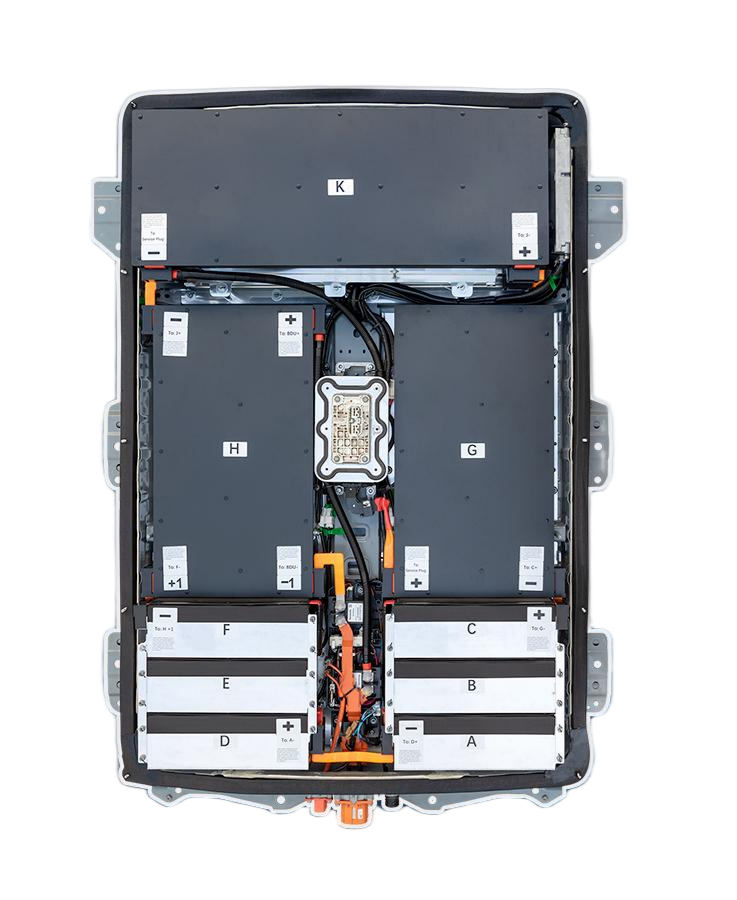
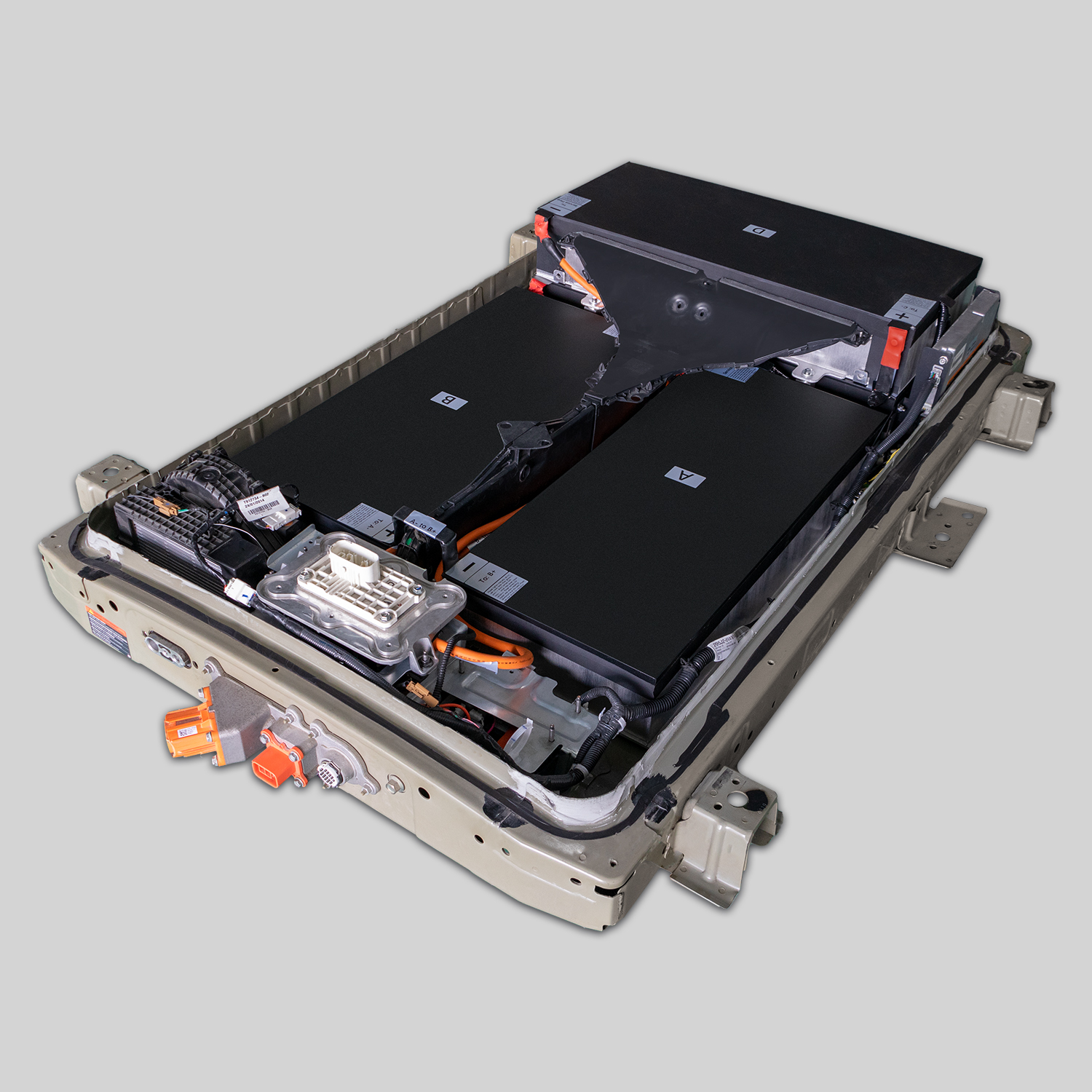
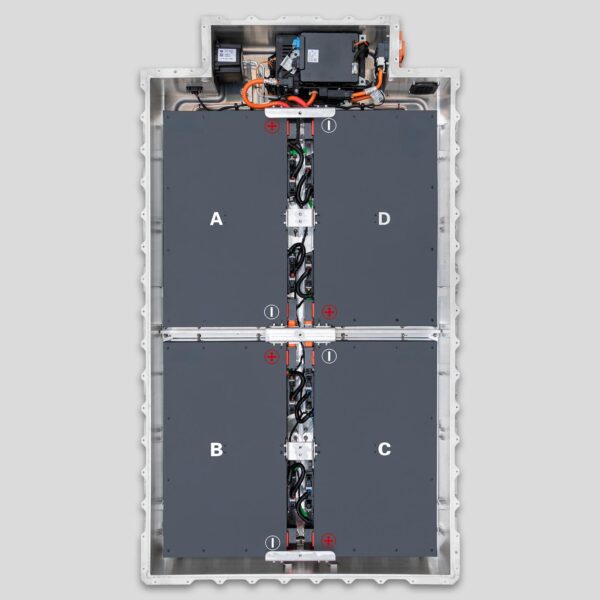
BMW i3 packs consist of 8 modules (for 60Ah/94Ah) or 10 modules (120Ah), each containing 12 lithium cells. When one fails, replacing it seems precise and economical.
But lithium-ion chemistry doesn’t work that way.
⚠️ The Core Problem: Cell Aging Isn’t Uniform—But It Is Inevitable
- Your “good” modules have already undergone thousands of charge cycles
- New cells in a replacement module have zero cycles
- Result: Voltage and resistance mismatch → BMS struggles to balance → faster wear on all modules
📉 Industry data shows: i3s with mixed-age modules see 2–3x higher failure rates within 12 months vs. full-pack replacements.
💰 2026 BMW i3 Module Replacement Cost Breakdown
| Component | Dealer Quote | Independent Shop | DIY (Parts Only) |
|---|---|---|---|
| Single Module (OEM) | $2,200–$3,000 | Not available | N/A |
| Single Module (Aftermarket) | — | $800–$1,400 | $600–$1,100 |
| Labor (6–10 hrs) | $1,800–$2,400 | $700–$1,200 | $0 |
| BMS Recalibration / Coding | $300–$600 | $200–$400 | Risky / Often fails |
| Coolant Recharge | $250 | $150 | $80 |
| Total Estimated Cost | $4,550–$6,000 | $1,850–$2,950 | $680–$1,180 |
❗ But wait—there’s a catch: most aftermarket modules use recycled or mismatched cells, with no warranty on long-term compatibility.
And even if installed perfectly, you’re still driving on a pack with 7 old modules and 1 new one—a recipe for future imbalance.
The Hidden Costs of “Saving Money” on Modules
Many owners who choose module replacement report:
- Range drops again within 6 months
- New error codes from adjacent modules
- BMS enters limp mode due to persistent imbalance
- Full pack replacement becomes unavoidable—now at double the cost
“I replaced Module D for $2,100. Four months later, Module C failed. The shop said the imbalance ‘stressed’ it. I ended up buying a full pack anyway.”
— Mark T., Denver
Meanwhile, those who opted for a complete new pack from the start enjoy:
- Consistent cell chemistry and age
- Full capacity restoration
- Longer lifespan
- No recurring faults
Why CNS BATTERY Recommends Full-Pack Replacement—Even for Single-Module Failures
At CNS, we’ve analyzed over 1,200 i3 battery returns. The pattern is clear: partial repairs fail more often than they succeed.
That’s why we offer complete, plug-and-play packs with compelling advantages:
- ✅ Brand-new CATL cells—all matched for capacity, IR, and cycle life
- ✅ Pre-balanced modules—no BMS struggle from day one
- ✅ Lower total cost: A CNS 50kWh pack starts at $6,200—often less than two module replacements
- ✅ 2-year / 80,000 km warranty covering the entire system
- ✅ No coding or calibration—just bolt in and drive
“I compared a $2,800 module fix vs. a $6,500 CNS full pack. I chose the pack. Two years later, my range is still 290 km. Zero issues. Best decision ever.”
— Lisa K., Berlin
When Might Module Replacement Make Sense?
Only in rare cases:
- You’re a certified HV technician with cell-testing equipment
- You can source new, matched modules (not recycled)
- Your pack is under 30,000 km and <3 years old
- You accept no warranty on long-term performance
For 95% of owners? A full pack is safer, smarter, and more economical.
Frequently Asked Questions: i3 Module Replacement
Q: Can I buy just one CNS module?
A: Yes—but we strongly advise against it unless replacing under warranty. Mixing with aged OEM modules risks imbalance.
Q: How long does full-pack installation take?
A: 4–6 hours at a qualified shop. CNS packs include color-coded connectors for fast, error-free assembly.
Q: Will a full pack increase my range?
A: If your original pack is degraded, yes—even a same-capacity new pack restores lost range. Upgrading to 50kWh or 62kWh adds even more.
Q: Do I need to reset the BMS after full-pack install?
A: No—CNS BMS auto-syncs with the vehicle. No ISTA, no coding.
Q: Are CNS packs compatible with all i3 model years?
A: Yes—60Ah (2013–2016), 94Ah (2017–2018), and 120Ah (2019–2022). Specify your model when ordering.
Don’t Patch a Failing System—Revive It Completely
Your i3 deserves a battery that works as a unified whole—not a patchwork of old and new. Module replacement might seem like a bargain today, but it often costs more tomorrow.
Ready to Fix Your i3 Battery Right—the First Time?
Skip the false savings of partial repairs. Choose a CNS BATTERY complete BMW i3 pack: engineered for balance, longevity, and real-world reliability at a price that beats multiple module fixes.
Click below to get your personalized quote and compatibility check:
👉 https://cnsbattery.com/ev-battery-home/ev-battery-contact/