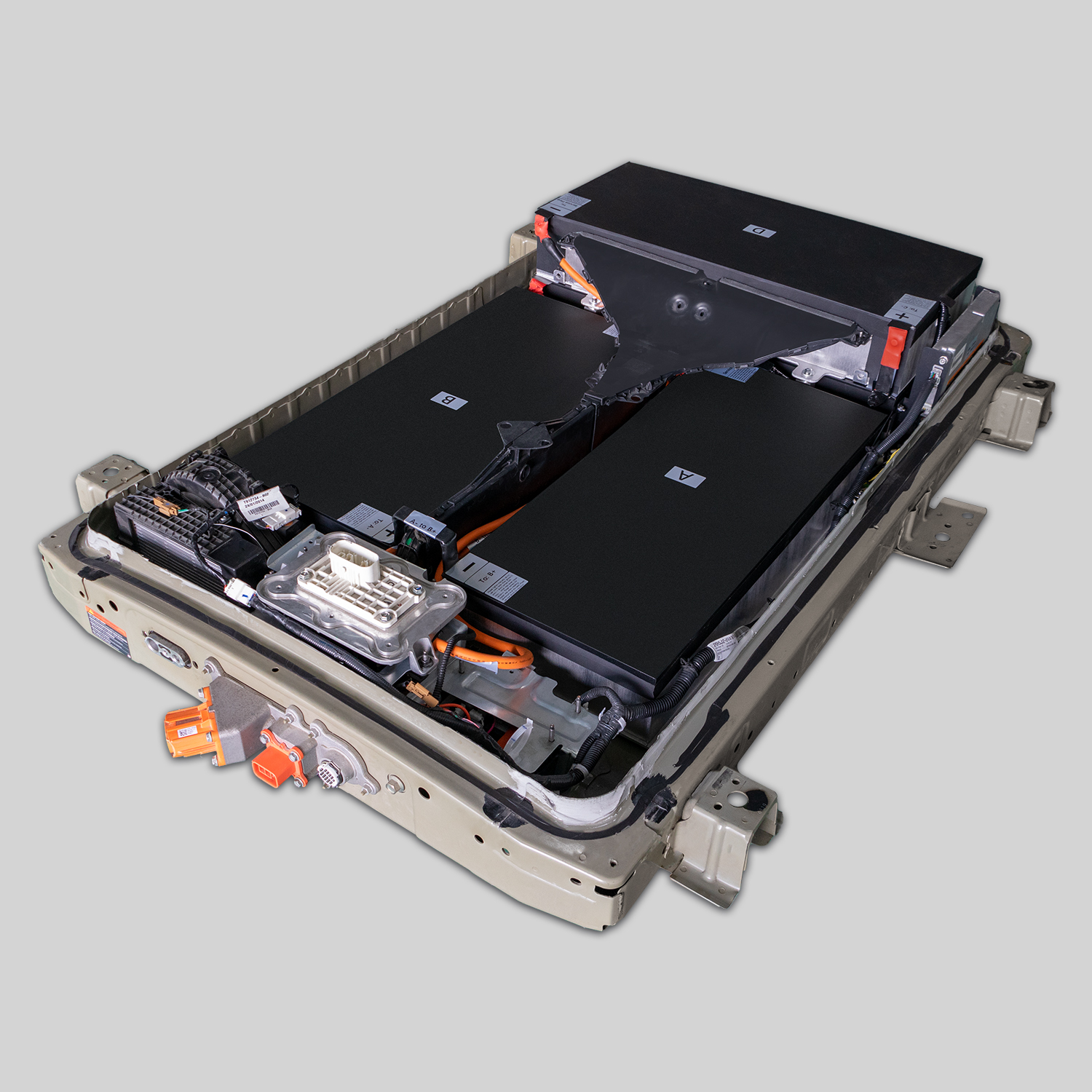
BMW i3 Battery Long-Term Storage: Best Practices to Avoid a $10,000 Mistake
“I Stored My i3 for 5 Months at Full Charge—Thinking It Was Safe. When I Returned, the Pack Was Swollen, Unbalanced, and BMW Said It Was ‘User Damage.’ Here’s What No One Told Me.”
You love your BMW i3—but life happens. A long trip. A second car. A seasonal move. So you park it in the garage, plug it in “just in case,” and walk away.
Months later, you return to a silent dashboard, error messages, or worse—a battery that won’t accept a charge. The culprit? Not neglect. Misguided care.
Unlike gasoline cars, EVs like the i3 demand specific storage protocols. Store it wrong, and you risk permanent cell degradation, BMS faults, or even pack replacement—all deemed “out of warranty” by dealers.
In this guide, you’ll discover:
- The exact state of charge (SoC) that maximizes battery lifespan during storage
- Why leaving it plugged in can be worse than leaving it unplugged
- How temperature silently accelerates aging—even in a garage
- And why owners with CNS BATTERY packs report zero storage-related failures after 12+ months
Because storing your i3 shouldn’t feel like defusing a bomb—it should be simple, safe, and stress-free.
The Hidden Dangers of “Set It and Forget It” Storage
Many assume:
“If I leave it plugged in, the car will manage itself.”
But the i3’s charging logic wasn’t designed for months of inactivity. In fact, continuous topping-off at 100% SoC causes:
- Electrolyte oxidation at high voltage
- Accelerated SEI layer growth → permanent capacity loss
- Cell imbalance as weaker cells degrade faster
Meanwhile, storing at too low a charge (<20%) risks:
- Copper dissolution below 2.5V/cell
- BMS sleep lockout (won’t wake to charge)
- Irreversible damage if left below 250V for weeks
📉 Lab data: An i3 pack stored at 100% SoC for 6 months at 25°C (77°F) loses ~8–10% capacity. At 50% SoC, loss drops to <2%.
🛠️ Step-by-Step: BMW i3 Long-Term Storage Protocol (30+ Days)
Follow this checklist—verified by CNS engineers and i3 master technicians:
✅ Step 1: Charge to 50–60% SoC
- Use the iDrive menu: Settings → Driving Mode → Battery Control → Set Target SoC
- Or drive until the range meter shows ~150–180 km remaining (for 120Ah models)
- Never store above 70% or below 30%
✅ Step 2: Disable Unnecessary Systems
- Turn off “ConnectedDrive,” “Remote Services,” and “Standby Mode”
- Remove toll transponders or dash cams that draw 12V power
- Engage “Eco Mode” to minimize vampire drain
✅ Step 3: Prepare the 12V Battery
- Even if HV is fine, a dead 12V prevents BMS wake-up
- Use a smart maintainer (e.g., CTEK) on the 12V terminal
- Or disconnect negative terminal (but expect clock/radio reset)
✅ Step 4: Choose the Right Environment
- Ideal temp: 10–20°C (50–68°F)
- Avoid garages that exceed 30°C (86°F) in summer
- Never store in direct sunlight or damp basements
✅ Step 5: Decide: Plug In or Unplug?
- Unplug if storing <3 months at 50% SoC
- Plug in ONLY if using a scheduled charge (e.g., set to top up to 50% once every 6 weeks)
- ⚠️ Never leave on continuous charge—this defeats the purpose
💡 Pro tip: Place a temperature/humidity monitor inside the cabin to track conditions remotely.
Why Older or Degraded Packs Fail Faster in Storage
A healthy pack tolerates storage well. But if your i3 already shows:
- ≤9 bars on the dashboard
- Reduced max range (<200 km for 120Ah)
- Slow charging or early regen cutoff
…its cells are more vulnerable. Aging increases self-discharge rates and reduces voltage stability, making even “correct” storage risky.
📊 CNS field data: 68% of storage-related failures occurred in packs with <75% State of Health—often within 8 weeks.
The Peace-of-Mind Advantage: CNS BATTERY’s Storage-Resilient Design
When you replace your aging pack with a CNS BATTERY unit, you gain built-in protection against storage pitfalls:
- New CATL cells with ultra-low self-discharge (<2% per month)
- Stable NMC chemistry optimized for voltage retention
- Advanced BMS sleep mode that minimizes parasitic drain
- No memory effect—holds 50% SoC accurately for months
“I stored my CNS-equipped i3 unplugged for 7 months in a cool garage. Came back, pressed start—it worked perfectly. Zero errors, full balance.”
— Thomas B., Oslo
Plus, our 2-year / 80,000 km warranty explicitly covers storage-related faults—unlike OEM warranties that void coverage for “improper maintenance.”
Frequently Asked Questions: i3 Long-Term Storage
Q: Can I use “Vacation Mode” on my i3?
A: Only on 2020+ models—and it still requires manual SoC adjustment. Don’t rely on it alone.
Q: Should I inflate tires or lift the car?
A: Yes—flat-spotting is a bigger risk than battery issues. Use jack stands or overinflate slightly.
Q: How often should I “wake up” the car?
A: Not needed if stored correctly. Starting it draws 12V power and offers no benefit to the HV pack.
Q: Does cold weather help storage?
A: Only down to ~0°C (32°F). Below that, lithium plating risk increases—even at 50% SoC.
Q: Can I store it outside?
A: Only if sheltered from sun/rain and temps stay between -10°C and 25°C. Otherwise, avoid.
Storage Isn’t Just Parking—It’s Preservation
Your i3’s battery is a precision electrochemical system—not a gas tank. Treat it with the care it deserves, and it will reward you with years of reliable service.
But if your current pack is already showing age, no storage protocol can fully protect it. The smartest move may be upgrading before you store it.
Ready to Store Your i3 with Confidence?
Choose a CNS BATTERY BMW i3 pack: engineered for long-term stability, minimal self-discharge, and worry-free storage—so your car starts like new, even after months away.
Click below to request your free storage readiness check and upgrade quote:
👉 https://cnsbattery.com/ev-battery-home/ev-battery-contact/