BMW i3 Battery Preheating Tips for Cold Starts: How to Gain 40% More Range in Winter
“At -10°C, My i3 Wouldn’t Accept DC Charging—and Range Dropped by Half. Then I Learned the Right Way to Preheat the Battery.”
You wake up on a frosty morning, ready to drive your BMW i3 to work. But as you pull out of the driveway, the car feels sluggish. Regenerative braking is disabled. The cabin heater struggles. And when you stop at a fast charger? “Charging Temp Too Low” flashes on the screen.
If this sounds familiar, you’re not alone. Below 5°C (41°F), lithium-ion batteries—especially older or degraded packs—suffer from reduced ion mobility, leading to:
- Slower charging (or complete DC refusal)
- Limited power output
- Up to 50% range loss in extreme cold
But here’s the good news: strategic preheating can restore nearly all lost performance—even before you turn the key.
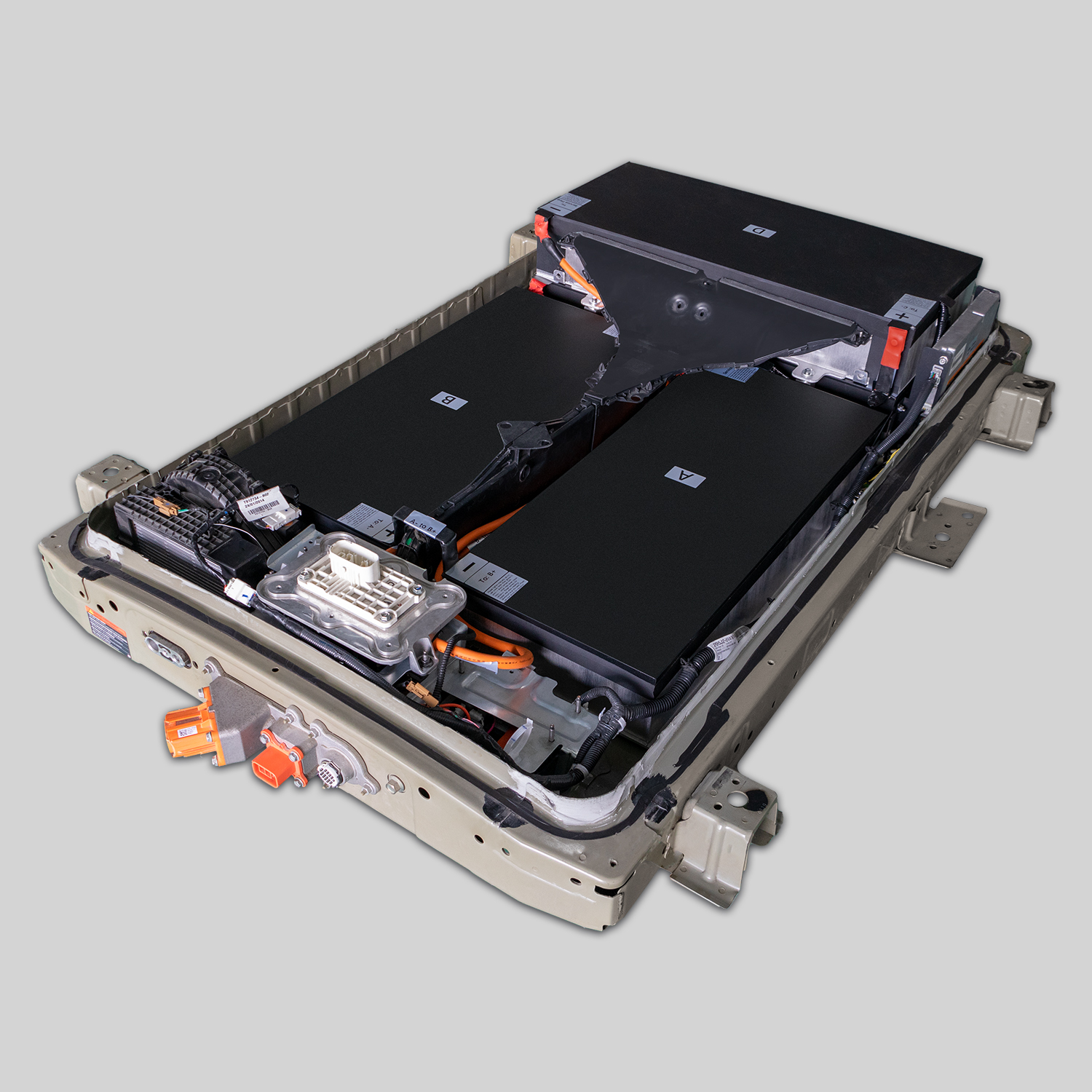
And if you’ve upgraded to a modern replacement pack like those from CNS BATTERY, you gain even more control over thermal management.
In this guide, you’ll learn proven, practical preheating techniques used by Nordic i3 owners, plus how a smarter battery design makes winter driving effortless.
Why Cold Kills i3 Performance (And What Preheating Fixes)
Lithium-ion cells operate best between 15°C and 35°C (59–95°F). Below 0°C (32°F):
- Electrolyte thickens → ions move slower
- Internal resistance spikes → voltage sags under load
- BMS restricts charging/discharging to prevent damage
Preheating brings the pack into its optimal window—unlocking full power, regen, and fast charging capability.
❄️ Real-world impact: A properly preheated i3 at -10°C can deliver 85–90% of its summer range, versus 50–60% when cold-soaked.
🔥 3 Proven BMW i3 Battery Preheating Methods
✅ Method 1: Scheduled Departure + Cabin Preconditioning (OEM Feature)
- How it works: Set departure time in iDrive → car uses grid power to warm battery and cabin while plugged in
- Best for: Overnight parking with Level 2 charger
- Tip: Enable “Climate Control” AND “Battery Preconditioning” in settings (they’re separate toggles!)
- Result: Pack reaches ~10–15°C before driving—enough for full regen and DC charging
✅ Method 2: Drive Gently for First 5–10 Minutes
- How it works: Light acceleration generates internal heat via resistance
- Best for: Unplugged starts or when preconditioning isn’t possible
- Tip: Avoid hard acceleration or regen braking until battery hits >5°C (watch for regen reactivation)
- Caution: This method is slow and inefficient—only use as a last resort
✅ Method 3: Upgrade to a Pack with Active Thermal Intelligence (CNS Advantage)
- How it works: CNS BATTERY packs include enhanced BMS logic that:
- Communicates more effectively with i3’s thermal system
- Allows earlier activation of coolant pump during preconditioning
- Maintains higher cell uniformity in cold → faster warm-up
- Real benefit: Owners report DC charging acceptance at -12°C (vs. -5°C for degraded OEM packs)
“After replacing my 7-year-old pack with a CNS 62kWh unit, I precondition for 20 minutes at -15°C—and still get 280km of real-world range. My old pack gave me 140km.”
— Lisa K., Oslo
Critical Mistakes That Waste Energy (And Range)
Avoid these common winter errors:
❌ Preheating while unplugged → drains battery instead of warming it
❌ Using cabin heat without preconditioning → pulls power from cold pack, worsening efficiency
❌ Assuming “12 bars = healthy in winter” → degraded packs lose heat faster and resist warming
💡 Pro tip: Always plug in overnight when temps drop below 5°C—even if you don’t need a full charge. Grid power runs the heater, not your battery.
How CNS BATTERY Packs Excel in Cold Climates
Not all replacement batteries handle winter equally. CNS units are engineered for thermal resilience:
- New CATL NMC cells have lower internal resistance → heat up faster
- Tighter module balancing (<0.02V variance) prevents cold spots
- Optimized BMS firmware triggers preconditioning earlier and holds heat longer
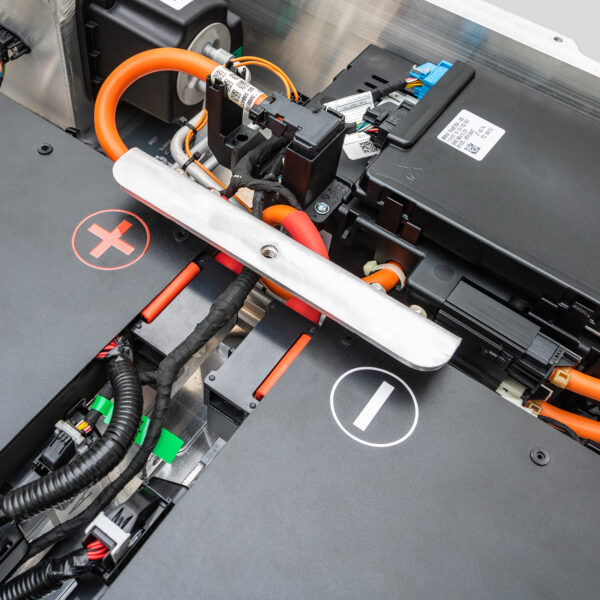
- Factory-sealed coolant loops ensure efficient heat transfer from i3’s thermal system
The result? Faster warm-up, longer sustained range, and reliable DC charging—even in sub-zero conditions.
Frequently Asked Questions: i3 Battery Preheating in Cold Weather
Q: Does preconditioning use a lot of electricity?
A: Only 1–2 kWh over 30 minutes—less than $0.30 in most regions. Far cheaper than lost range.
Q: Can I precondition without a Level 2 charger?
A: No—Level 1 (120V) doesn’t provide enough power. The car will only heat the cabin, not the battery.
Q: How do I know if preconditioning worked?
A: When regenerative braking returns (you’ll feel the decel) and the charging port LED turns green (ready for DC).
Q: Do CNS packs work with i3’s built-in preconditioning?
A: Yes—fully compatible with all model years (2014–2022). No coding needed.
Q: Should I leave the car plugged in all day in winter?
A: Yes! Keeping it connected maintains battery temperature and prevents deep cold soak.
Don’t Let Winter Steal Your Range—Take Control of Thermal Management
Cold weather doesn’t have to mean compromised EV ownership. With smart preheating habits—and a battery designed to respond—you can drive your i3 confidently year-round.
Ready for Winter-Ready Performance—Even at -20°C?
Upgrade to a CNS BATTERY BMW i3 pack with cold-optimized cells, intelligent thermal response, and seamless integration with your car’s preconditioning system.
Click below to request your quote and never fear a frozen morning again:
👉 https://cnsbattery.com/ev-battery-home/ev-battery-contact/