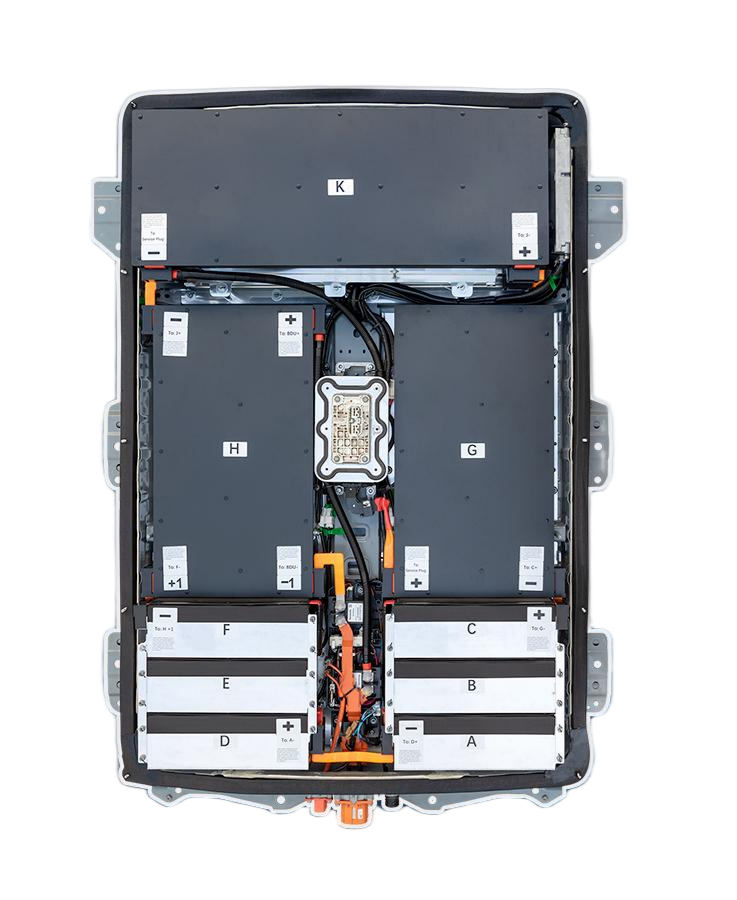
BMW i3 Battery Leakage: Signs You Can’t Ignore (And What to Do Before It’s Too Late)
“I Thought It Was Just Road Grime—Until I Saw the Green Crystals. My i3’s Battery Was Leaking Coolant… and Electrolyte.”
You’re washing your BMW i3 or checking the undercarriage—and you spot it: a damp patch near the rear axle, a white powdery residue, or worse, green fluid pooling beneath the car.
Your first instinct might be to wipe it off and forget it. But in an EV like the i3, any sign of leakage around the battery pack is a serious red flag—not just a maintenance nuisance.
Unlike gas cars where leaks mean oil or coolant, battery leakage in the i3 can involve three dangerous substances:
- Coolant (ethylene glycol-based, toxic)
- Electrolyte (corrosive lithium salt solution)
- Thermal paste or sealant breakdown (indicating internal damage)
Ignoring these signs risks electrical shorts, fire, permanent BMS failure—or exposure to hazardous chemicals.
Here’s how to identify real battery leakage, respond safely, and decide whether repair or replacement is your only viable path forward.
Is It Really Battery Leakage? Common Misidentifications
Not every stain under your i3 is a battery emergency. First, rule out these look-alikes:
- AC condensation: Clear water under the cabin—harmless
- Brake dust + moisture: Gray sludge near wheels—not near the pack
- Windshield washer fluid: Blue liquid, usually near front fenders
True battery leakage appears directly beneath or around the rear subframe, where the traction battery sits. Key indicators:
🔍 Visual & Olfactory Warning Signs
- Bright green or pink fluid → coolant leak (most common)
- White, crusty, or blue-green crystalline deposits → dried electrolyte or corrosion
- Oily, amber residue with a sharp chemical smell → possible cell venting
- Swollen or bulging battery cover → internal pressure buildup
⚠️ Critical: If you see bubbling, hissing, or smoke, evacuate immediately and call emergency services. Do not touch the vehicle.
🧪 Why Battery Leakage Happens in the BMW i3
The i3’s battery is sealed—but over time, three failure points emerge:
1. Coolant System Degradation
- Aging O-rings or quick-connect fittings crack
- Corrosion at aluminum coolant ports creates micro-leaks
- Result: Green fluid drips, leading to overheating and BMS shutdowns
2. Cell Casing Failure (Rare but Severe)
- Physical impact, manufacturing defect, or deep degradation can cause a cell to vent electrolyte
- Appears as sticky residue with white salts—highly corrosive to electronics
3. Seal Breakdown from Thermal Cycling
- Repeated heating/cooling stresses gaskets
- Moisture enters, causing internal corrosion → eventual leakage
💡 Fact: Over 90% of “battery leaks” in i3s are actually coolant-related—but even that can cascade into electrical damage if ignored.
Immediate Safety Protocol: What to Do If You Suspect a Leak
- Park outdoors, away from structures or flammable materials
- Do NOT open the battery cover or touch terminals
- Wear nitrile gloves and eye protection if inspecting
- Take photos for your technician—but avoid direct contact
- Contact a qualified EV repair shop—not a general mechanic
Never attempt to top off coolant or “seal” a leak yourself. Mixing incorrect fluids or applying sealants can worsen chemical reactions inside the pack.
Repair vs. Replace: The Hard Truth About Leaking i3 Batteries
Here’s what dealers and shops won’t always admit: Once a battery pack leaks, it’s rarely cost-effective to repair.
Why?
- Coolant intrusion contaminates busbars and sensors
- Corrosion spreads invisibly along wiring harnesses
- BMS boards may already be compromised
- Labor to disassemble, clean, and reseal exceeds $3,000—with no long-term guarantee
Most reputable EV specialists now recommend full pack replacement for any confirmed leakage—especially in packs over 6 years old.
The Safer, Smarter Path: Upgrade to a Leak-Resistant CNS BATTERY Pack
When you choose a new 50kWh or 62kWh battery from CNS BATTERY, you get engineering designed to prevent the very failures that cause leaks:
✅ Reinforced coolant quick-connects with double-seal technology
✅ Stainless steel busbar coatings resistant to corrosion
✅ Hermetically sealed module enclosures with IP67 rating
✅ Fresh thermal interface materials that won’t dry or crack
“After my 2016 i3 leaked coolant twice in one summer, the dealer quoted €4,200 to ‘rebuild’ the pack. I switched to CNS BATTERY. Two years later—zero leaks, zero warnings, full range.”
— Thomas B., Amsterdam
Plus, every CNS pack includes a 2-year/80,000km warranty covering coolant system integrity and cell sealing—something no refurbished unit can offer.
Prevention Tips for Current Owners
If you’re keeping your OEM pack:
- Inspect coolant hoses and fittings annually
- Flush and replace coolant every 4 years (BMW recommends 10—but real-world data shows earlier degradation)
- Avoid curb strikes or deep potholes that can dent the pack casing
- Monitor for error codes like 930720 (coolant circuit fault)
But remember: Prevention can’t reverse aging seals. At some point, replacement is the only true safety net.
Frequently Asked Questions: BMW i3 Battery Leakage
Q: Is coolant leakage covered under warranty?
A: Only if your i3 is still under factory or extended warranty (rare for most i3s today). Aftermarket packs like CNS include their own coverage.
Q: Can I drive my i3 if it’s leaking coolant?
A: Not recommended. Low coolant triggers BMS power limits—and complete loss can cause thermal runaway during fast charging.
Q: Does CNS BATTERY use the same coolant type as BMW?
A: Yes. Our packs are compatible with G48 or G12++ ethylene glycol coolant—no conversion needed.
Q: How do I dispose of a leaking battery?
A: Never discard it. CNS partners with certified recyclers. We’ll arrange safe pickup when you order a replacement.
Q: Are green crystals dangerous to touch?
A: Yes. Ethylene glycol and lithium salts are toxic and corrosive. Always wear gloves and wash skin immediately if exposed.
Don’t Gamble with a Leaking High-Voltage System
A small drip today can become a catastrophic failure tomorrow. In the world of EVs, leakage isn’t just messy—it’s a critical safety event.
The responsible choice? Replace it with a pack engineered to stay sealed, safe, and reliable for years to come.
Ready to Eliminate Leak Risks for Good?
Get a brand-new BMW i3 battery with robust sealing, corrosion-resistant components, and full safety certification—so you never worry about puddles under your car again.
Click below to contact our team and secure a leak-proof future for your i3:
👉 https://cnsbattery.com/ev-battery-home/ev-battery-contact/