BMW i3 Battery Temperature Problems: Why Your Pack Overheats (And the Fix That Works in -20°C to +45°C)
“My i3 Wouldn’t Charge in Summer—Dealer Said ‘Coolant Leak.’ The Real Issue Was a Failing Thermal Sensor in a 7-Year-Old Pack.”
You’re parked at a charging station on a warm afternoon. You plug in your BMW i3—and nothing happens. The screen flashes: “Charging Temporarily Unavailable – Battery Temperature Too High.”
Or maybe it’s winter, and your range plummets by 40% the moment it drops below freezing. You’ve checked coolant levels, cleaned the radiator, even replaced the pump—but the temperature warnings keep coming back.
Here’s what most owners miss: BMW i3 battery temperature problems are rarely about the cooling system alone. More often, they stem from degraded cells, faulty thermal sensors, or imbalanced modules in aging packs—issues that no amount of coolant flushing can fix.
The good news? With a modern, thermally intelligent replacement like CNS BATTERY’s 50kWh pack, you can drive and charge reliably from Arctic winters to desert summers—without fear of thermal shutdowns.
How the BMW i3 Battery Thermal System Should Work
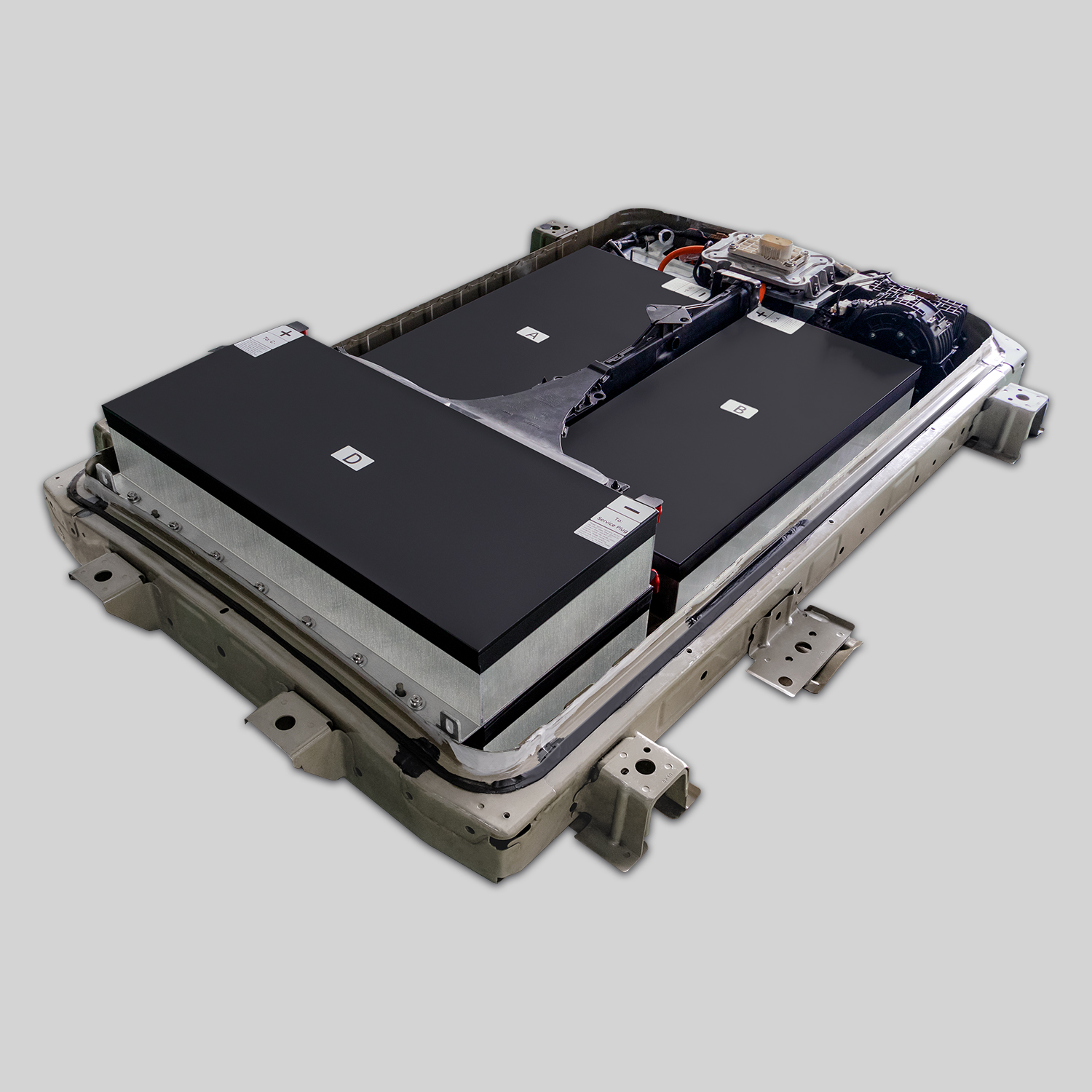
The i3 uses a liquid-cooled thermal management system that circulates coolant through channels between battery modules. Sensors monitor temperature at multiple points, and the BMS adjusts:
- Charging speed
- Regenerative braking strength
- Cabin preconditioning
When everything functions correctly, the pack stays within 15°C–35°C—the ideal range for lithium-ion performance and longevity.
But as packs age, three critical failures emerge:
🔥 1. Thermal Sensor Drift
Older sensors lose accuracy, reporting false high/low temps—triggering unnecessary power limits or charging blocks.
❄️ 2. Cell Degradation = Poor Thermal Response
Worn-out cells generate more internal heat under load and struggle to accept charge when cold. The BMS sees this as a risk and restricts operation.
🌡️ 3. Module Imbalance Creates Hot Spots
If one module runs hotter than others (due to resistance imbalance), the entire pack throttles—even if 90% is fine.
⚠️ Real-world impact: A 2016 i3 with a degraded pack may refuse DC fast charging above 28°C ambient—while a new pack handles 40°C with ease.
✅ Step 1: Diagnose the True Cause (Before Replacing Parts)
Don’t assume it’s the coolant pump or radiator. Use BimmerLink, ISTA, or OBDX Pro to check:
- Individual module temperatures (look for >5°C variance)
- Coolant flow status (is the pump actually running?)
- Error codes like 930725 (thermal sensor fault) or 930730 (overtemp protection active)
If temperatures are inconsistent across modules—or sensors report extremes with no ambient cause—the battery itself is the culprit.
✅ Step 2: Choose a Thermally Resilient Replacement
This is where CNS BATTERY outperforms both OEM and refurbished options:
- Integrated NTC thermal sensors in every module—factory-calibrated for ±0.5°C accuracy
- Advanced CATL ternary lithium cells with low internal resistance = less heat generation
- Optimized coolant channel design matching BMW’s original flow paths
- Wide operating range: -20°C to +60°C (vs. OEM’s -10°C to +45°C limit)
“In Oslo winters, my original i3 pack would barely take regen below -5°C. After installing CNS BATTERY’s 50kWh unit, I regen normally at -18°C—and fast-charge in summer heat without a single warning.”
— Thomas B., Oslo
Why Refurbished Packs Make Temperature Problems Worse
Many “budget” replacements reuse old modules with worn thermal interfaces and uncalibrated sensors. Even if cells are tested, the thermal monitoring layer is often ignored—leading to erratic behavior in extreme conditions.
CNS BATTERY builds every pack from brand-new components, including:
- Fresh thermal pads
- New coolant quick-connect fittings
- Calibrated temperature probes
- Sealed, moisture-resistant enclosures
Result? Stable thermal performance from day one—and for years to come.
Pro Tips: Maximize Thermal Efficiency (Even with a New Pack)
Once you’ve upgraded, protect your investment:
- Precondition while plugged in (use BMW app to heat/cool battery before driving)
- Avoid DC fast charging immediately after highway driving (let pack cool first)
- Park in shade or garage during heatwaves
- Keep software updated—BMW occasionally improves thermal logic via OTA
Frequently Asked Questions: BMW i3 Battery Temperature Issues
Q: Can low coolant cause temperature errors?
A: Yes—but only if the level is critically low. Most “low coolant” warnings are actually triggered by air pockets or sensor faults, not actual fluid loss.
Q: Does CNS BATTERY work with the i3’s cabin preconditioning?
A: Fully. Our BMS communicates with the HVAC system to enable battery preconditioning during scheduled departures—critical for winter range.
Q: Will a new pack fix slow charging in summer?
A: Absolutely. Degraded packs heat up faster during DC charging, forcing the BMS to throttle. New cells stay cooler, enabling full-speed charging even at 35°C+.
Q: Do I need to flush the coolant system when replacing the battery?
A: Recommended—but not always required. CNS provides detailed instructions. Most customers reuse existing coolant if it’s clean and <3 years old.
Q: How does cold weather affect CNS battery performance?
A: Like all lithium packs, capacity dips slightly below 0°C—but our BMS allows normal charging and regen down to -20°C, far better than aged OEM units.
Don’t Let Temperature Dictate Your Driving Freedom
Your BMW i3 was designed to perform in real-world climates—not just lab conditions. But aging batteries turn seasonal changes into operational nightmares.
With a thermally intelligent CNS BATTERY pack, you reclaim confidence—whether you’re climbing Alpine passes or idling in Dubai traffic.
Ready to End Battery Temperature Warnings for Good?
Get a 50kWh or 62kWh BMW i3 battery engineered for extreme-weather reliability, backed by a 2-year/80,000km warranty, and trusted by drivers on six continents.
Click below to request your custom solution—and drive fearlessly in any season:
👉 https://cnsbattery.com/ev-battery-home/ev-battery-contact/