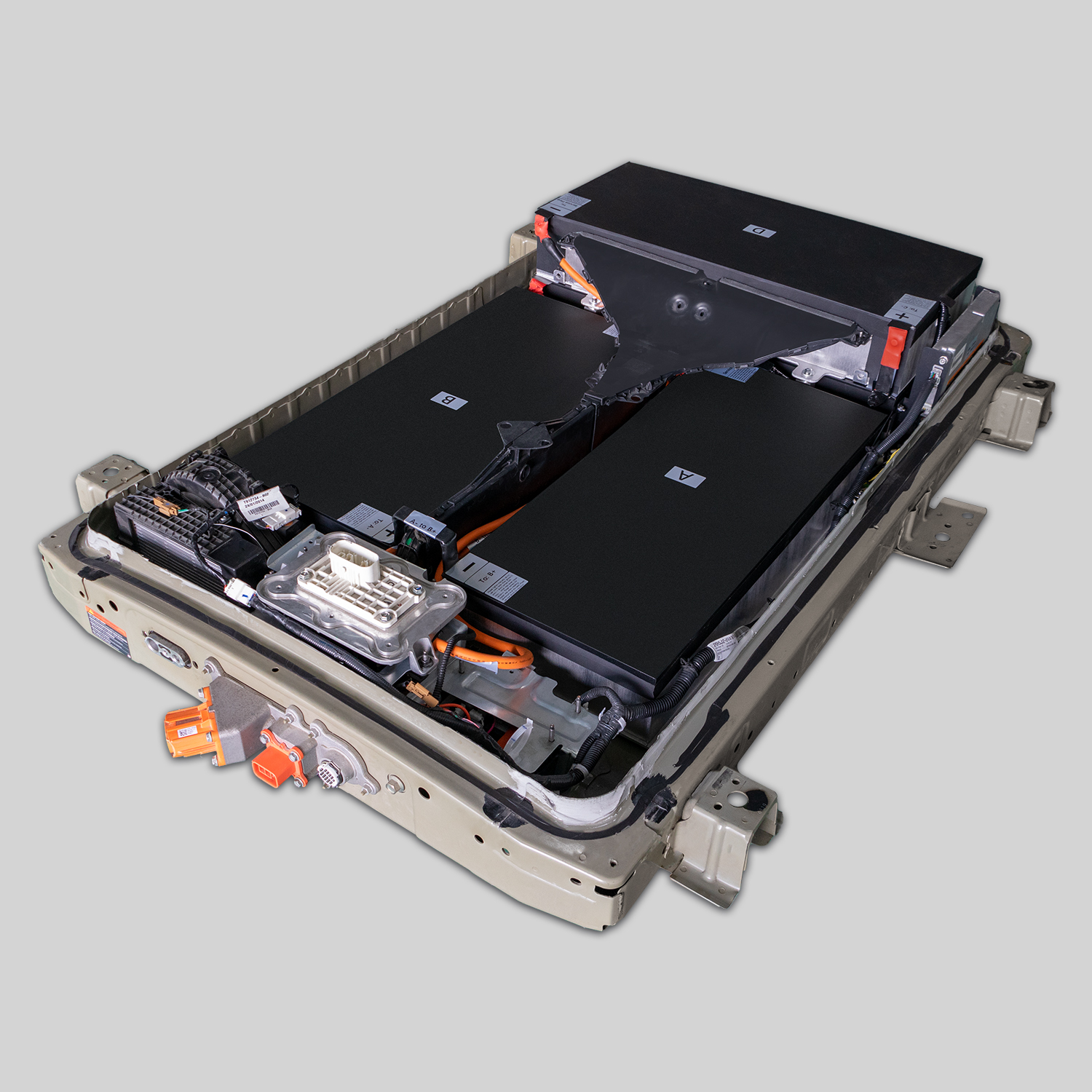
BMW i3 Battery SOC Issues: How to Calibrate (And When Calibration Won’t Fix the Real Problem)
“My i3 Said 40%—Then Shut Down at a Red Light. I Tried Calibration 3 Times. The Real Fix Wasn’t Software.”
You’re cruising in your BMW i3 when the dashboard suddenly shows “0%” and “High-Voltage System Malfunction.” You were just at 35%! Or maybe your range estimate jumps from 220km to 80km overnight with no driving.
You’ve heard that “calibrating the battery” can fix this. So you drain it to 5%, charge to 100%, wait 12 hours—and the problem returns in two days.
Here’s the uncomfortable truth: State of Charge (SOC) errors are rarely fixed by calibration alone. They’re usually a symptom of something deeper—like cell imbalance, BMS drift, or aging modules. And if your pack is degraded, no amount of recalibration will restore accuracy.
But don’t panic. There is a reliable path forward—whether you’re on your original battery or have upgraded to a CNS BATTERY pack.
Why SOC Miscalibration Happens in the BMW i3
The i3’s Battery Management System (BMS) estimates SOC using two methods:
- Coulomb counting (tracking current in/out)
- Open-circuit voltage (OCV) correlation (measuring resting voltage)
Over time, these can drift apart due to:
- Cell imbalance (some modules hold less charge than others)
- Aging cells (voltage curves flatten, confusing OCV readings)
- Incomplete charge cycles (frequent top-ups prevent full calibration)
- BMS software glitches (especially after 12V battery resets)
When drift exceeds thresholds, the BMS throws error codes like 93071C or displays erratic range—sometimes even cutting power to protect the pack.
🔧 Step-by-Step: Proper BMW i3 SOC Calibration (When It Actually Helps)
Use this method only if your battery is still healthy (≥9 bars, consistent range):
- Drive down to ≤5% (until “Reserve Mode” activates)
- Park and let the car sleep for 2+ hours (no apps, no key fob nearby)
- Plug into a Level 2 (AC) charger—not DC fast charging
- Charge uninterrupted to 100% (do not open doors or start the car)
- Leave plugged in for 2 more hours after reaching 100%
- Drive normally—the BMS will auto-recalibrate over the next 2–3 cycles
⚠️ Warning: If your i3 shuts down before 5%, or won’t accept a full charge, calibration won’t help. You likely have a hardware issue.
When Calibration Fails—And What to Do Instead
If SOC errors return within days, the root cause is almost certainly physical degradation, such as:
- One or more weak modules dragging down pack voltage
- Failed cell monitoring circuits in the BMS
- Internal resistance increase causing voltage sag under load
In these cases, replacing the faulty hardware is the only permanent fix.
That’s where CNS BATTERY changes the game.
Why CNS BATTERY Packs Eliminate Chronic SOC Errors
Unlike aging OEM packs or mismatched refurbished units, CNS BATTERY’s 50kWh and 62kWh i3 packs are engineered for long-term SOC accuracy:
✅ Brand-new CATL cells with identical voltage profiles—no imbalance from day one
✅ Factory-calibrated BMS that syncs precisely with BMW’s communication protocol
✅ Real-time cell-level monitoring—detects drift before it affects range display
✅ Stable OCV curves that stay predictable for thousands of cycles
“After three failed calibrations and two dealer visits, I installed a CNS 50kWh pack. No more phantom drops. No more ‘0%’ surprises. The SOC has been rock-solid for 11 months.”
— David L., London
The Hidden Risk of Ignoring Persistent SOC Errors
Driving with unreliable SOC isn’t just inconvenient—it’s dangerous. Sudden shutdowns can:
- Leave you stranded in traffic
- Trigger emergency braking in Eco Pro+ mode
- Cause regenerative braking to cut out unexpectedly
Worse, repeated deep discharges (from inaccurate low readings) accelerate cell degradation, creating a vicious cycle.
If calibration doesn’t stick, treat it as a warning sign—not a nuisance.
Frequently Asked Questions: BMW i3 SOC Calibration
Q: Can I calibrate using a DC fast charger?
A: No. Fast charging doesn’t allow the BMS to perform accurate OCV measurements. Always use AC (Level 2) charging for calibration.
Q: How often should I calibrate?
A: Only when you notice inconsistent range estimates. Healthy packs self-calibrate during normal use. Over-calibrating can stress cells.
Q: Does CNS BATTERY support post-installation SOC calibration?
A: Rarely needed—but yes. Our BMS is fully compatible with BMW’s calibration routines. We provide step-by-step guides if requested.
Q: My i3 shows 12 bars but wrong range—is that normal?
A: No. Full bars only indicate cell count, not capacity. A degraded pack can show 12 bars but deliver half the range. True health requires kWh testing, not bar counting.
Q: Will replacing the 12V battery cause SOC issues?
A: Temporarily, yes. Always recalibrate after 12V replacement—but if errors persist beyond 3 days, suspect HV pack problems.
Don’t Mask the Symptom—Fix the Source
Calibration is a tool, not a cure. If your BMW i3 keeps lying about its charge level, it’s begging for a stable, balanced battery system.
With CNS BATTERY, you don’t just reset the meter—you replace the engine behind it.
Tired of Guessing Your Real Range?
Get a new 50kWh or 62kWh BMW i3 battery with precision SOC tracking, plug-and-play integration, and a 2-year warranty—so you never second-guess your charge again.
Click below to contact our technical team and solve your SOC issues for good:
👉 https://cnsbattery.com/ev-battery-home/ev-battery-contact/