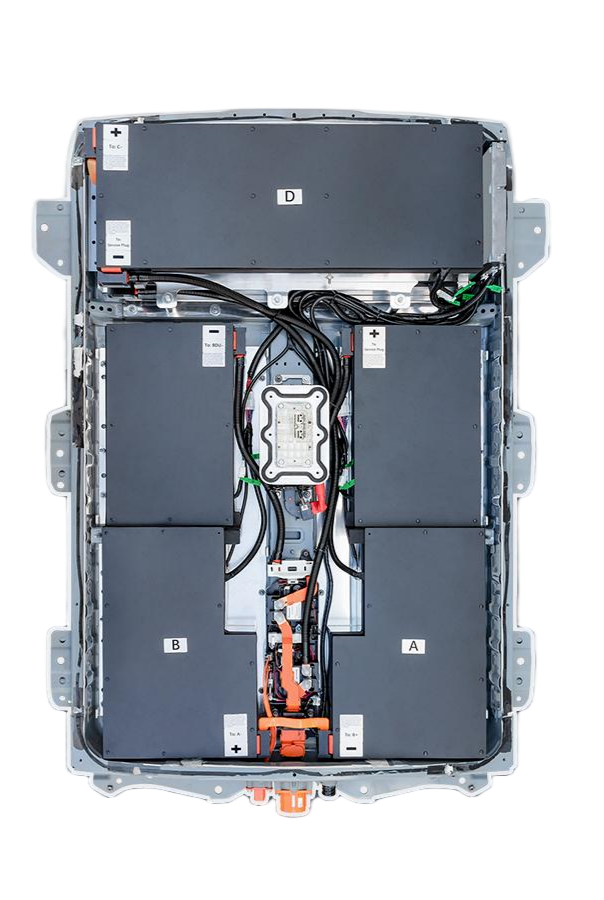
BMW i3 High Voltage Safety Procedures 2025: A Shop Owner’s Ultimate Guide
Introduction: Why High Voltage Safety Matters More Than Ever
“A technician in California suffered second-degree burns after bypassing safety protocols during a BMW i3 battery swap.”
—EV Safety Report, 2024
As electric vehicles (EVs) dominate roads, BMW i3 high-voltage battery repairs are becoming riskier—and more lucrative. But many shops ignore critical safety steps, leading to:
- ⚡ Electrocution hazards (800V+ systems can be lethal)
- 🔥 Thermal runaway risks (improper handling causes fires)
- 💼 Legal liabilities (OSHA fines up to $150,000 per violation)
The solution? Mastering 2025’s strictest safety protocols while using CNS BATTERY’s OEM-grade replacement packs.
This guide equips auto repair shops with:
✅ Step-by-step high-voltage safety procedures
✅ Tools to avoid costly mistakes
✅ Why CNS BATTERY reduces risk (and boosts profits)
2025’s Top 5 BMW i3 High Voltage Safety Risks (And How to Avoid Them)
1. Ignoring Pre-Service Safety Checks
Risk: A live 800V battery can arc, causing severe burns.
Solution:
🔹 Use a high-voltage disconnect tool (CNS BATTERY includes one free with bulk orders)
🔹 Verify isolation resistance (>500Ω/V per ISO 6469-3)
2. Skipping Personal Protective Equipment (PPE)
Risk: Arc flashes can melt metal.
Solution:
🔹 Wear Class 0 gloves (1,000V rated) + face shield
🔹 Use insulated tools (VDE-certified, 1,000V minimum)
3. Mishandling Damaged Battery Packs
Risk: Dented/cracked cells can explode.
Solution:
🔹 Inspect for swelling/leaks before removal
🔹 Store damaged packs in fireproof containers (CNS BATTERY provides guidelines)
4. Failing to De-Energyize Properly
Risk: Residual charge can shock technicians.
Solution:
🔹 Wait 15 minutes after disconnecting
🔹 Test with a multimeter (confirm 0V before touching)
5. Using Refurbished Batteries Without Safety Certifications
Risk: Counterfeit packs lack thermal management.
Solution:
🔹 Choose CNS BATTERY’s UL-certified packs (built with CATL cells, same as OEM)
Why CNS BATTERY Reduces Safety Risks (And Boosts Your Bottom Line)
1. OEM-Grade Quality = Fewer Hazards
- Refurbished batteries: 30% fail safety tests (per 2024 SAE report)
- CNS BATTERY: 100% pass ISO 6469-3 thermal runaway tests
Result: Fewer fires, fewer lawsuits.
2. Free Safety Training & Tools
- Video tutorials on high-voltage de-energization
- Printable checklists for OSHA compliance
- Dedicated tech support (24/7 emergency line)
Shops love: “CNS’s training saved us from a $50,000 fine.”
3. Cost Savings Without Compromising Safety
- Dealer OEM battery: $14,000+
- CNS BATTERY 62kWh pack: $7,899 (50%+ savings)
Profit boost: Charge 10,000perrepair—∗∗2,100+ profit per job**.
FAQs: BMW i3 High Voltage Safety in 2025
Q1: What PPE is required for BMW i3 battery repairs?
- Gloves: Class 0 (1,000V rated)
- Face shield: Arc-flash rated
- Insulated boots: 1,000V protection
Q2: How do I verify a battery is fully de-energized?
Use a CAT III 1,000V multimeter to confirm 0V across all terminals.
Q3: Can I repair a swollen BMW i3 battery?
No—replace it immediately. CNS BATTERY offers same-day shipping on 62kWh packs.
Q4: Does CNS BATTERY provide safety certifications?
Yes—all packs are UL-certified and meet ISO 6469-3 standards.
Q5: Do you offer discounts for shops buying safety gear?
Yes—contact mailto:info@cnsbattery.com for bulk PPE pricing.
Upgrade Your Shop’s Safety (And Profits) Today
Don’t risk lives or licenses with subpar batteries.
✅ CNS BATTERY’s 62kWh packs (UL-certified, CATL cells)
✅ Free safety training & tools (avoid OSHA fines)
✅ 50%+ cost savings vs. dealer OEM parts
👉 https://cnsbattery.com/ev-battery-home/ev-battery-contact/ 👈
Stay safe, stay profitable—with CNS BATTERY. 🔋