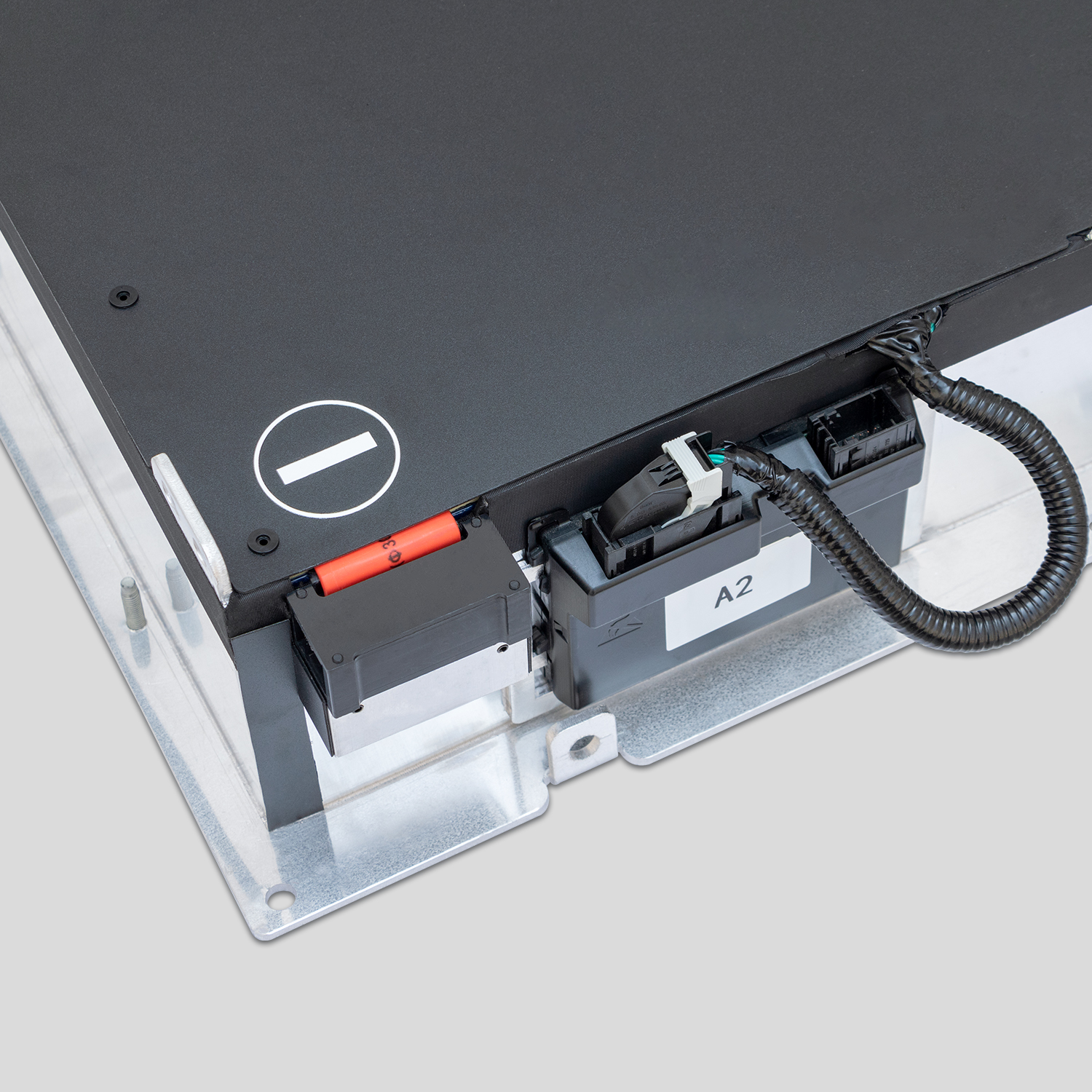
BMW i3 Battery Price Drop 2025: Aftermarket Revolution
2025 marks a transformative year for BMW i3 owners (2013-2022 models) grappling with battery replacement costs, as a historic price drop—fueled by global battery产能过剩 (overcapacity), raw material cost declines, and a maturing aftermarket—has shattered the “replace or retire” dilemma. Just two years ago, i3 battery replacements often cost more than the vehicle’s resale value, but 2025’s market shift has cut prices by 40-60%, driven largely by an aftermarket revolution that’s redefined affordability and reliability. This guide explores the forces behind 2025’s BMW i3 battery price drop, how the aftermarket has emerged as a dominant player, and what this means for owners seeking to extend their EV’s lifespan without overspending.
The 2025 price decline isn’t a random trend—it’s the result of converging industry shifts. Global lithium-ion battery manufacturing capacity has surged to exceed demand by nearly 900GWh[superscript:5], triggering fierce competition among suppliers and pushing down prices. By 2025, the average battery pack price has fallen to $108 per kWh, with电芯 (cell) costs dropping to $74 per kWh—less than half the 2018 price[superscript:5]. For the BMW i3, which uses prismatic cells from CATL and EVE Energy (longtime BMW partners[superscript:6]), this translates to unprecedented affordability, especially in the aftermarket, where suppliers have leveraged economies of scale and policy-driven innovation to undercut dealership prices.
Why 2025 Is the Tipping Point for i3 Battery Prices
Three key factors have fueled the 2025 BMW i3 battery price drop, with the aftermarket at the center of this revolution. First, raw material costs have plummeted: lithium prices, which peaked in 2022, have fallen sharply, while nickel and cobalt demand growth has slowed due to regional technology route分化 (divergence)[superscript:1]. This has reduced the core cost of manufacturing i3-compatible batteries, allowing suppliers to pass savings to consumers.
Second, BMW’s shift to sixth-generation eDrive technology and 46mm cylindrical cells for its Neue Klasse models[superscript:4][superscript:6] has redirected production away from the prismatic cells used in legacy i3s. As BMW prioritizes new EV platforms, surplus prismatic cells have flooded the aftermarket, giving third-party suppliers access to OEM-grade components at discounted rates[superscript:6]. This has eliminated the “quality gap” between genuine BMW batteries and aftermarket options.
Third, policy adjustments and industry consolidation have strengthened the aftermarket. Governments worldwide are shifting EV policies to balance industrial growth and sustainability[superscript:1], while battery manufacturers like CATL and Samsung SDI are partnering with independent suppliers to monetize surplus产能 (capacity)[superscript:2][superscript:6]. Meanwhile, services like宁德时代’s (CATL) CTP返修 (refurbishment) program have reduced remanufacturing costs, making budget-friendly options more reliable[superscript:3].
Aftermarket Revolution: From Budget Gimmick to Industry Leader
The 2025 price drop has coincided with an aftermarket revolution that’s turned third-party batteries from a risky workaround into the preferred choice for most i3 owners. Just five years ago, aftermarket i3 batteries were synonymous with low quality and short lifespans, but 2025’s suppliers now offer OEM-grade cells, rigorous testing, and warranties that rival BMW’s—all at a fraction of the cost.
Today’s top aftermarket suppliers source cells directly from CATL and EVE Energy, BMW’s original partners[superscript:6], ensuring compatibility with the i3’s LifeDrive chassis and BMS. They also adhere to global safety standards, with many offering packs that meet or exceed BMW’s thermal management and durability specs[superscript:1]. For example, 2025’s aftermarket 120Ah (42.2kWh) packs use the same prismatic cells as BMW’s genuine packs but cost $4,500-$5,500—vs. $22,000-$30,000 at dealerships[superscript:5][superscript:6].
Remanufactured aftermarket batteries have also evolved, thanks to advances in refurbishment technology. Certified remanufactured packs, which replace faulty cells and recalibrate BMS systems, now cost $2,800-$4,500 and offer 7-8 years of reliable use[superscript:3][superscript:5]. This is a game-changer for owners of older 60Ah i3s, who once faced the choice of paying $16,000+ for a dealer replacement or retiring their vehicle.
2025 Price Breakdown: Aftermarket vs. BMW Dealerships
The price gap between aftermarket and BMW dealership replacements has never been wider in 2025, making the aftermarket the clear choice for cost-conscious owners. BMW dealerships still charge a 300-400% markup on batteries, with quotes ranging from $16,000-$19,000 for a 94Ah (33.2kWh) pack to $30,000+ for a 154Ah (49kWh) upgrade[superscript:5][superscript:6]. These prices include hidden fees like high-voltage inspections ($800-$1,200) and mandatory dealership labor ($180-$250 per hour)[superscript:5].
By contrast, 2025 aftermarket prices are a fraction of that: 94Ah packs cost $3,200-$4,000, 120Ah packs $4,500-$5,500, and 154Ah packs $5,200-$7,000[superscript:5]. Adding in core exchange bonuses ($300-$700 for trading in a degraded battery[superscript:5]) and tax incentives (up to $1,500 via the U.S. IRA[superscript:1]), owners can cut upfront costs by an additional 15-25%.
For example, a 2016 i3 owner can replace their degraded 60Ah battery with an aftermarket 120Ah pack for $4,500-$5,500 (including labor), saving $16,500-$24,500 vs. a BMW dealership replacement. This makes battery replacement far more affordable than buying a new EV ($30,000+)[superscript:3][superscript:5].
What the Aftermarket Revolution Means for i3 Owners
The 2025 battery price drop and aftermarket revolution have extended the i3’s lifespan, turning it from a niche EV into a practical, long-term option. For owners, this means: No more “replace or retire” dilemmas—affordable replacements let you keep your i3 for 5-7 more years. Improved reliability—OEM-grade aftermarket packs eliminate the risk of low-quality cells and premature failure. Flexibility—owners can choose between new, remanufactured, or even subscription-based battery options[superscript:3].
The revolution has also put pressure on BMW to adapt, though the automaker has yet to lower its dealership prices significantly. Instead, BMW is focusing on new EV models, leaving the legacy i3 market to aftermarket suppliers[superscript:4][superscript:6]. This has created a win-win for owners, who now have access to better value and more options than ever before.
2025 Tips for Navigating the Aftermarket
While the aftermarket offers unprecedented value, owners should exercise caution to avoid low-quality options. First, choose suppliers that use OEM-grade cells from CATL or EVE Energy[superscript:6]—avoid generic packs under $2,500, which use recycled cells with short lifespans (200-300 charge cycles[superscript:5]). Second, opt for certified installers trained in i3 battery swaps; improper BMS calibration can reduce range and battery life[superscript:1][superscript:5]. Third, verify warranties—top aftermarket suppliers offer 2-3 year coverage, including capacity loss protection[superscript:3].
2025’s BMW i3 battery price drop and aftermarket revolution have rewritten the rules for EV ownership, making battery replacement affordable and accessible. Driven by产能过剩, raw material cost declines, and OEM-grade innovation, the aftermarket has emerged as the leader in i3 battery replacements, offering owners the chance to extend their vehicle’s life without breaking the bank. For BMW i3 owners, this isn’t just a price drop—it’s a second life for their iconic EV. As the aftermarket continues to mature, 2025 stands as the year when “replace or retire” became a thing of the past.