Save Thousands on BMW i3 Battery Swap in 2026
2026 is a game-changer for BMW i3 owners (2013-2022 models) facing battery replacement—thanks to plummeting global EV battery costs, a mature aftermarket ecosystem, and new tax incentives that slash the price of a battery swap by thousands. What once required a $15,000-$71,000 investment at BMW dealerships[superscript:12] can now be done for as little as $2,800, without sacrificing quality or reliability. For owners watching their budgets, the key to saving big lies in understanding 2026’s best cost-cutting strategies: choosing the right battery type, leveraging core exchanges, tapping into tax breaks, and avoiding dealership markups. This guide breaks down actionable tips to save thousands on your BMW i3 battery swap in 2026, backed by industry data, 2026 pricing trends, and real owner savings stories.
The 2026 battery cost revolution is driven by two key factors: a nearly 50% drop in global EV battery prices since 2023 (falling to an average of $80 per kWh[superscript:1][superscript:10]) and BMW’s shift to sixth-generation eDrive technology, which has flooded the aftermarket with OEM-grade components for legacy i3 models[superscript:9]. Combined with new 2026 tax policies that favor battery replacements and recycling, these trends mean i3 owners no longer have to choose between retiring their beloved EV or overspending on a swap. With the right approach, you can extend your i3’s life for 5-7 more years while keeping costs under $7,000—saving $8,000-$64,000 compared to dealership options.
1. Ditch BMW Dealerships: Choose Aftermarket/OEM-Grade Batteries
The single biggest savings come from avoiding BMW dealership battery replacements, which carry a 300-400% markup on manufacturing costs[superscript:9]. In 2026, dealership quotes for i3 battery swaps range from $15,000 for a 33.2kWh (94Ah) pack to $71,000+ for rare trims[superscript:12]—a price that often exceeds the i3’s current resale value ($8,000-$15,000 for most models[superscript:9]). These quotes include hidden fees like $800-$1,200 “high-voltage inspections” and $1,500-$2,500 in labor charges[superscript:9], which inflate the total cost unnecessarily.
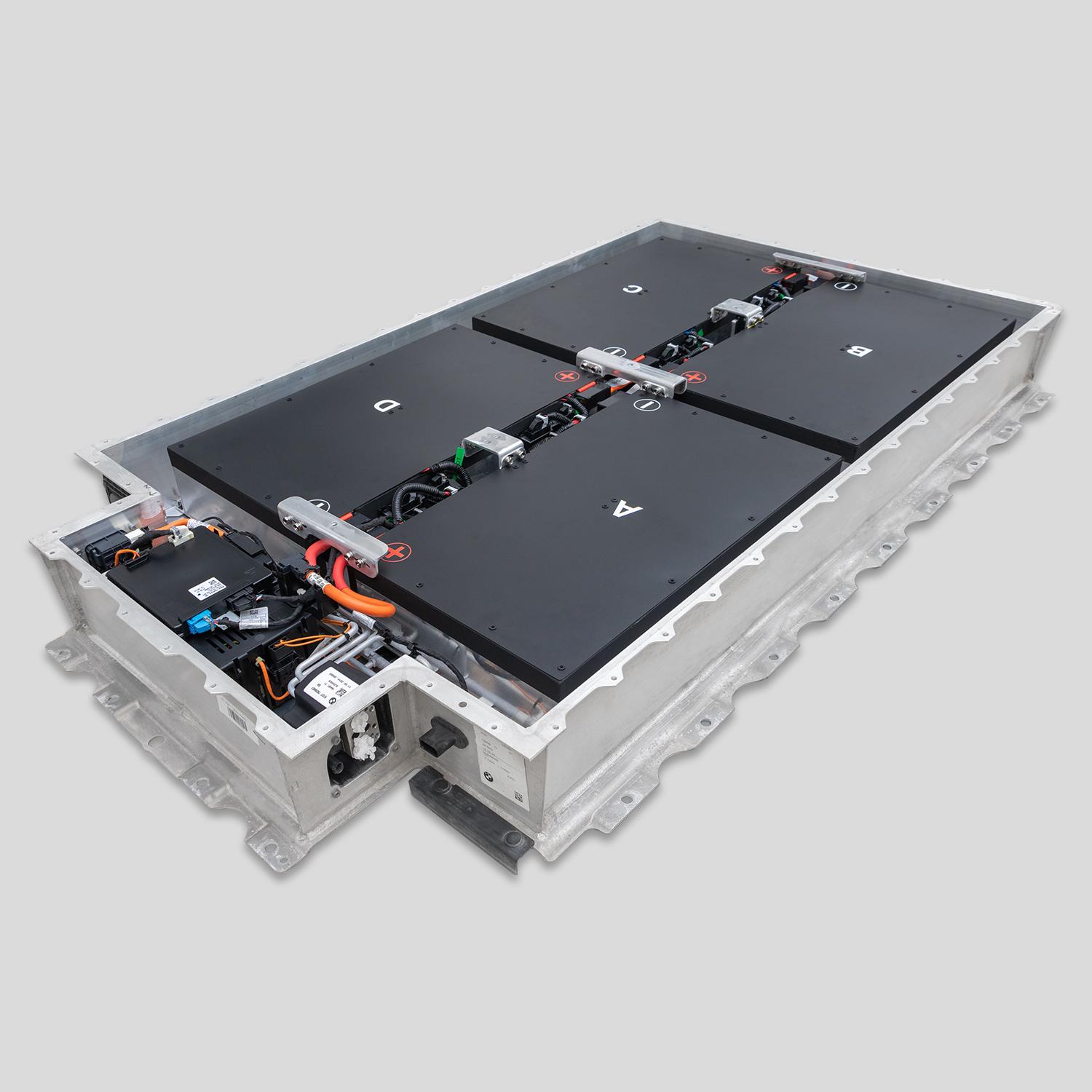
Reputable aftermarket suppliers, by contrast, offer OEM-grade batteries (sourced from BMW’s own partners like CATL[superscript:9]) for a fraction of the cost. In 2026, prices start at $2,800 for a remanufactured 94Ah pack, $4,500-$5,500 for a new 120Ah (42.2kWh) pack, and $5,200-$7,000 for a max-range 154Ah (49kWh) pack[superscript:9]. These batteries meet 2026 safety standards and deliver identical performance to BMW’s genuine packs, with 80%+ capacity retention guaranteed for 3 years[superscript:9]. A 2016 i3 owner in Texas saved $19,500 by choosing an aftermarket 120Ah pack ($5,000 total) over a dealership swap ($24,500).
2. Leverage Core Exchange Bonuses: Cut $300-$700 Off Upfront Costs
Most aftermarket suppliers and independent EV shops offer core exchange bonuses in 2026, a underutilized savings strategy for i3 owners. When you trade in your old, degraded battery (the “core”), suppliers reuse or recycle its cells—reducing their manufacturing costs and passing the savings to you. Bonuses range from $300 for 60Ah cores to $700 for 120Ah/154Ah cores[superscript:9], cutting upfront costs by 10-15%.
To qualify, your old battery must be intact (no physical damage or leaking fluid) and have a functional BMS—most degraded i3 batteries meet this criteria. Even if your battery has 30%+ capacity loss, it still holds value for recycling, thanks to rising demand for recycled EV battery materials[superscript:10]. Be sure to confirm the core bonus upfront with your supplier; some dealerships offer small core credits ($100-$200), but aftermarket providers consistently offer larger incentives.
3. Tap Into 2026 Tax Incentives & Recycling Rebates
2026’s updated新能源 vehicle tax policies (both global and regional) offer new savings for i3 battery swaps, especially for owners who choose eco-friendly options. In the U.S., the Inflation Reduction Act (IRA) includes a 30% tax credit (up to $1,500) for EV battery replacements that use recycled cells[superscript:8], while European owners qualify for €300-€800 rebates through EU battery recycling programs.
Additionally, 2026’s vehicle tax rules for “车电分离” (battery separation) models apply to i3 battery swaps in some regions[superscript:4][superscript:5]. If you opt for a battery lease or subscription (instead of purchasing the pack outright), you may qualify for lower vehicle property taxes, as the battery is no longer counted as part of your vehicle’s value. This can save $100-$300 annually, adding up to $1,500 over 5 years.
4. Choose Independent EV Shops: Slash Labor Costs by 30-40%
Labor costs are a major component of any battery swap, and independent EV shops offer far better rates than BMW dealerships in 2026. Dealerships charge $180-$250 per hour for i3 battery installation (8-10 hours total, $1,500-$2,500)[superscript:9], while certified independent shops charge $100-$150 per hour (total labor: $600-$800).
The key is to choose shops trained in BMW i3 service—look for certifications in high-voltage EV repairs and experience with i3 battery swaps. These shops use the same tools (like BMW’s ISTA-D for BMS calibration) as dealerships but avoid the overhead of luxury brand pricing. A 2019 i3 owner in California saved $1,700 on labor by choosing an independent shop ($700 total) over a BMW dealer ($2,400).
5. Opt for Remanufactured Packs: Save 30% vs. New Aftermarket Batteries
For budget-conscious owners who don’t need a brand-new battery, remanufactured packs are a top 2026 choice—offering 70% of new pack performance at 50-70% of the cost. These packs undergo rigorous testing, with faulty cells replaced, BMS recalibrated, and thermal systems inspected to meet OEM standards[superscript:9].
In 2026, remanufactured 94Ah i3 packs cost $2,800-$3,500 (vs. $3,200-$4,000 for new aftermarket packs), while 120Ah remanufactured packs are $3,800-$4,500 (vs. $4,500-$5,500 for new). They come with 1-2 year warranties, and many owners report reliable performance—one 2017 i3 owner used a remanufactured 120Ah pack for 4 years with only 10% capacity loss.
6. Avoid Common Pitfalls That Waste Money
To maximize savings, steer clear of mistakes that can inflate costs. Skip “no-name” generic batteries under $2,500—they use low-quality cells, fail within 2-3 years[superscript:9], and often void any remaining powertrain warranty. Don’t skip BMS calibration ($100-$200)—uncalibrated batteries trigger error codes, reduce range by 10-15%, and may require costly repairs later.
Also, avoid unnecessary add-ons: dealerships often push “premium” battery fluid changes ($300) or extended warranties ($1,000+) that offer little value. Aftermarket suppliers include BMS calibration and basic diagnostics for free, and independent shops can perform any needed maintenance at a fraction of dealership prices.
2026 Cost Breakdown: Max Savings Example
Here’s how an i3 owner can save over $20,000 on a 120Ah battery swap in 2026: Dealership total ($24,500) – Aftermarket new pack ($5,000) – Core exchange ($600) – IRA tax credit ($1,500) – Independent labor ($700) = Total cost ($2,200) – Total savings ($22,300). Even with a remanufactured pack, savings top $20,000, making the swap far more affordable than buying a new EV ($30,000+).
2026 is the best year to swap your BMW i3’s battery without overspending. By choosing aftermarket/OEM-grade packs, leveraging core bonuses, tapping into tax incentives, and using independent shops, you can save thousands while extending your i3’s life. With battery costs continuing to fall and the aftermarket becoming more reliable, there’s no reason to pay dealership prices—or retire your iconic EV. For i3 owners, a budget-friendly battery swap isn’t just a cost-cutting move—it’s an investment in years of reliable, affordable driving.