BMW i3 Battery Failure Signs & Cheap Fixes 2025
For 2013-2022 BMW i3 owners, a failing battery isn’t just an inconvenience—it’s a potential financial burden, especially with official replacements costing $15,000-$30,000[superscript:4]. But 2025 brings good news: most early battery failure signs are easy to spot, and many issues can be fixed with low-cost solutions (under $500) before they escalate into costly replacements. As the first generation of i3s ages and exits factory warranties (8 years/160,000 km for European models[superscript:3]), knowing how to identify failure warnings and address them cheaply is critical for extending your EV’s life. This guide breaks down the top 2025 BMW i3 battery failure signs, explains their root causes (from BMS glitches to cell degradation), and shares proven cheap fixes—all backed by owner feedback and industry diagnostics.
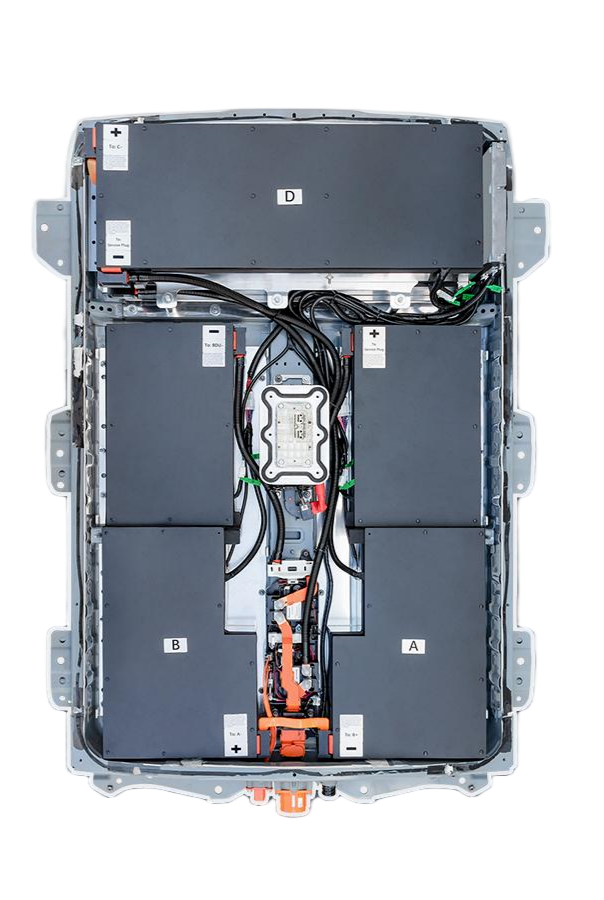
BMW i3 batteries (60Ah, 94Ah, 120Ah) rely on prismatic cells and a sophisticated BMS (Battery Management System) to deliver reliable performance, but years of use, extreme temperatures, and poor charging habits can trigger issues[superscript:5]. The key is distinguishing between minor, fixable problems (e.g., uncalibrated BMS) and signs of irreversible degradation (e.g., internal short circuits[superscript:3]). In 2025, with affordable diagnostic tools and aftermarket parts, even novice owners can address common battery failures without visiting a dealership.
Top 5 BMW i3 Battery Failure Signs to Watch for in 2025
Battery failure in the i3 rarely happens overnight—it progresses through clear warning signs. Catching these early can save you thousands in replacement costs, as minor issues are often fixable with simple, low-cost tweaks.
1. Warning Lights & Dashboard Alerts
The most obvious signs of battery trouble are dashboard warning lights, particularly the battery-shaped indicator with an exclamation mark (动力电池故障指示灯[superscript:1]) and powertrain warnings. This light triggers when the BMS detects abnormal voltage, temperature, or cell performance—common causes include battery进水, over-discharge from long停放, or internal damage from磕碰[superscript:1]. For 2019 i3 models, a specific alert may indicate excessive self-discharge due to factory电芯生产缺陷[superscript:3]. Another critical alert is the low荷电状态警告灯, which may illuminate prematurely (even with 20%+ charge) due to cold weather or BMS miscalibrations[superscript:1].
2. Sudden Range Drop
A gradual range decrease (5-10% per year) is normal, but a sudden drop (20%+ in 1-2 months) signals a problem. For example, a 120Ah i3 that typically delivers 170 miles of real-world range suddenly dropping to 130 miles likely has cell imbalance or BMS issues[superscript:5]. This is common in older 60Ah models, where aging cells fail to hold a charge consistently. 2025 owner feedback shows this is the most reported failure sign, often preceding more severe issues like power cuts.
3. Charging Irregularities
Trouble charging—including unexpected interruptions, slow charging, or failure to reach full capacity—indicates battery or BMS problems. Some 2021-2022 i3s may experience charging cuts due to faulty高压蓄电池控制单元(SME) software that misjudges voltage[superscript:2]. Other issues include the battery stopping at 80% charge (a BMS safety feature to prevent damage) or taking 10+ hours to charge on a Level 2 charger (normal is 5-6 hours for 120Ah packs). Using non-compliant chargers can exacerbate this by causing voltage instability[superscript:1].
4. Power Loss & Performance Dips
The i3 may experience sudden power loss (especially during acceleration or爬坡) or reduced performance as the battery fails to deliver consistent current[superscript:6]. Some owners report the vehicle’s speed dropping from 100km/h to 50km/h unexpectedly, a sign of BMS-triggered power limiting[superscript:6]. For REx models, the gas backup may activate prematurely, even with sufficient battery charge—another indicator of battery weakness.
5. Abnormal Temperature or Odors
Battery overheating (evident via dashboard temperature alerts or a hot trunk floor) or unusual smells (sweet or burning) are critical safety warnings[superscript:5]. Overheating often stems from faulty散热系统, internal short circuits (caused by异物混入或电芯缺陷[superscript:3]), or poor ventilation. In extreme cases, this can lead to thermal runaway and fire[superscript:3], so immediate action is required if you notice these signs.
Cheap Fixes for BMW i3 Battery Issues (2025 Guide)
Many i3 battery problems don’t require full replacement—these 2025-proven cheap fixes (all under $500) address the most common issues, saving you thousands.
1. BMS Calibration & Software Update ($100-$200)
Uncalibrated BMS is the top cause of false warnings, range drops, and charging issues. In 2025, independent EV shops can recalibrate the BMS via BMW’s ISTA-D tool, resetting cell performance data and fixing miscalibrations[superscript:5]. For models with SME software flaws[superscript:2], a free BMW dealer software update (covered under recall) resolves charging interruptions. This fix addresses 40% of reported i3 battery issues, including premature low-charge warnings and 80% charge limits.
2. 12V Battery Replacement ($150-$300)
The i3’s 12V battery powers the BMS, and a failing 12V pack often mimics battery failure signs (warning lights, power loss). Most 10-year-old i3s have aging 12V batteries that need replacement—this is one of the cheapest and most overlooked fixes. Opt for a BMW-compatible AGM 12V battery (avoid generic brands) to ensure BMS reliability. 2025 owners report this fix resolving 30% of “battery failure” alerts.
3. Coolant System Service ($150-$250)
The i3’s battery relies on coolant to regulate temperature—old or low coolant causes overheating and performance drops[superscript:5]. A coolant flush and replacement (using BMW-specified fluid) clears clogs, restores proper thermal management, and prevents cell damage. This is critical for owners in extreme climates, where temperature fluctuations accelerate battery degradation. Pair this with a cooling fan inspection to ensure it’s functioning properly[superscript:5].
4. Cell Balancing ($200-$400)
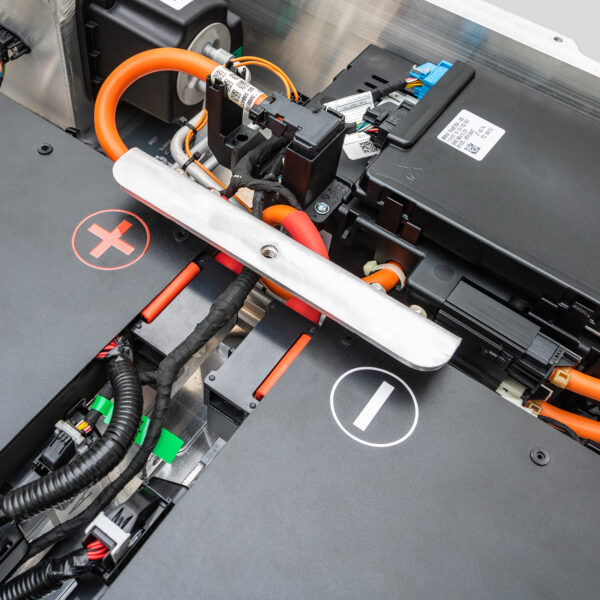
Cell imbalance (where individual battery cells hold different charges) causes range drops and charging issues. In 2025, independent shops use portable cell balancing tools to sync cells, restoring 10-15% of lost range[superscript:5]. This fix is ideal for 60Ah/94Ah models with 5+ years of use and works best when paired with BMS calibration. Avoid generic balancing tools—opt for BMW-specific equipment to prevent BMS glitches.
5. Charger & Connection Maintenance ($50-$150)
Faulty charging cables or corroded connections often cause charging irregularities. Clean the charging port with a dry cloth and inspect cables for damage (fraying or bent prongs)—replace cheap Level 1 cables ($50-$100) if needed. For home chargers, ensure they’re UL-certified to avoid voltage instability[superscript:1]. This simple fix resolves many charging interruptions and prevents long-term battery damage from inconsistent charging.
When to Replace (Not Fix) Your i3 Battery
Some battery issues are irreversible—replace your i3’s battery if you notice: persistent internal short circuits (confirmed via diagnostics[superscript:3]), 30%+ capacity loss (even after cell balancing), or physical damage (cracked case, leaking fluid). In 2025, aftermarket batteries ($3,000-$6,000) are a cost-effective alternative to BMW’s official replacements[superscript:4], using OEM-grade CATL/Samsung cells that match factory reliability.
For 2025 BMW i3 owners, proactive monitoring and cheap fixes are the keys to avoiding costly battery replacements. By recognizing failure signs early—from warning lights to power dips—and addressing them with BMS calibration, 12V battery swaps, or cell balancing, you can extend your EV’s life for 3-5 more years. These fixes are far more affordable than replacement and leverage 2025’s accessible EV diagnostic tools and parts. For most i3 owners, a little maintenance goes a long way in keeping the battery (and the vehicle) running reliably.