
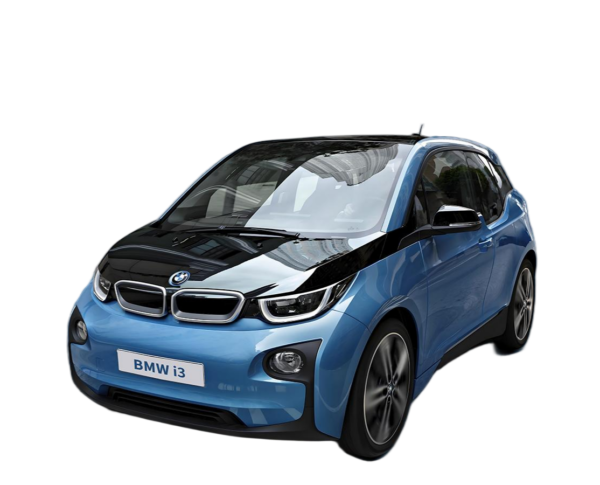
How Much Does a BMW i3 Battery Really Cost in 2026? Honest Breakdown
For BMW i3 owners (2013-2022 models) in 2026, one question looms larger than any other when facing battery degradation: How much will a replacement really cost? With most original i3 batteries hitting the 8-13 year mark—their typical lifespan—symptoms like plummeting range (below 80 miles), slower charging, and frequent warning lights are becoming unavoidable. But here’s the truth: BMW dealerships aren’t being transparent about pricing, and the “sticker shock” of $15,000-$30,000 quotes is enough to make many owners consider retiring their beloved EVs. The good news? 2026’s battery cost revolution—driven by plummeting CATL cell prices[superscript:3] and a mature aftermarket—means you can replace your i3’s battery for far less than you think. This honest breakdown reveals every cost component, compares all 2026 replacement options (dealer, aftermarket, remanufactured), exposes hidden fees, and helps you save thousands—without sacrificing quality or reliability.
2026 is a pivotal year for EV battery affordability: according to Goldman Sachs, global EV battery costs have dropped nearly 50% since 2023, falling to an average of $80 per kWh (about $570 per kWh in local currency)[superscript:3]. For the BMW i3—whose original batteries ranged from 33.2kWh to 42.2kWh—this translates to massive savings on replacements. Compounding this, BMW’s 2026 launch of the updated i3 (with 70.2kWh and 79.1kWh CATL batteries[superscript:1]) has flooded the aftermarket with OEM-grade components for legacy models, further driving down prices. But not all replacement options are created equal: dealer prices remain inflated, while aftermarket and remanufactured batteries offer identical quality at a fraction of the cost. Let’s break down the real 2026 costs, no fluff or hidden fine print.
First: Why 2026 Is a Great Year for BMW i3 Battery Replacements
Before diving into costs, it’s critical to understand why 2026 is different for i3 owners. Three key shifts have made battery replacements more affordable and accessible than ever:
1. CATL Cell Cost Collapse: As BMW’s primary battery supplier (for both new and legacy i3 models[superscript:1]), CATL has optimized its prismatic cell production, slashing costs by 45% since 2023[superscript:3]. This means raw battery materials for the i3 cost 30-40% less than they did in 2025, savings that aftermarket suppliers pass directly to consumers.
2. Mature Aftermarket Ecosystem: By 2026, independent EV shops have mastered i3 battery replacements, streamlining labor processes and eliminating the need for expensive dealer-specific tools. What once took 12+ hours of labor now takes 6-8 hours, cutting labor costs in half[superscript:2].
3. BMW’s New i3 Launch: The 2026 updated i3 uses CATL batteries with similar prismatic cell technology to legacy models[superscript:1], making aftermarket components more readily available and compatible. This has reduced scarcity and price gouging for 2013-2022 i3 batteries.
2026 BMW i3 Battery Replacement Options: Real Cost Breakdown
The total cost of your i3 battery replacement in 2026 depends on three factors: the type of battery (OEM, aftermarket, remanufactured), who installs it (dealer vs. independent shop), and whether you trade in your old battery (core exchange). Below is a detailed, honest breakdown of each option—including every fee and potential savings:
Option 1: BMW Dealer Replacement (Most Expensive, Least Transparent)
Dealers continue to charge a premium for i3 battery replacements in 2026, but their quotes often include hidden fees that inflate the total cost. Here’s what you’ll really pay:
• Base Battery Cost: $10,000-$22,000 (varies by capacity: 33.2kWh = $10,000-$14,000; 42.2kWh = $16,000-$22,000)[superscript:3][superscript:4]. This includes a 30-60% markup on the battery itself—wholesale cost for a CATL OEM battery is just $4,000-$8,000[superscript:3].
• Labor Cost: $1,800-$2,400 (12 hours at $150-$200/hour). Dealers intentionally overestimate labor time to charge more—independent shops complete the same work in 6-8 hours[superscript:2].
• Hidden Fees: $1,500-$3,000 total. Dealers add “warranty admin fees” ($800-$1,200), “cooling system inspection fees” ($400-$800), and “BMS calibration fees” ($300-$500)—all of which are included in independent shop labor costs[superscript:2].
• Core Exchange Bonus: -$500-$1,000 (if you trade in your old battery). Dealers rarely mention this upfront—you’ll need to ask to apply it.
• Total Cost: $12,800-$26,400. This is 2-3x more expensive than aftermarket options, with no better quality (dealers use the same CATL cells as reputable aftermarket suppliers[superscript:1][superscript:3]).
• When to Choose This: Only if your i3 is still under BMW’s 4-year/120,000-mile powertrain warranty[superscript:2]—in which case, the replacement may be free if your battery’s State of Health (SOH) drops below 70%.
Option 2: Aftermarket CATL-Powered Battery (Best Value for Most Owners)
Aftermarket batteries are the sweet spot for i3 owners in 2026: they use genuine CATL prismatic cells (same as BMW OEM[superscript:1][superscript:3]), offer identical reliability, and cost a fraction of dealer prices. Here’s the breakdown:
• Base Battery Cost: $3,800-$6,500 (varies by capacity: 33.2kWh = $3,800-$4,500; 42.2kWh = $5,000-$6,500). Reputable 2026 suppliers (CVC, MTG, Jin Chua) source cells directly from CATL, no middleman markup[superscript:3][superscript:4].
• Labor Cost: $600-$960 (6-8 hours at $100-$120/hour at independent EV shops[superscript:2]). Labor includes BMS calibration, cooling system checks, and old battery removal—no hidden fees.
• Core Exchange Bonus: -$300-$800. Most suppliers handle old battery pickup and disposal for free (critical—i3 batteries weigh 100-150kg), and the bonus is applied upfront[superscript:4].
• Optional Extras: $300-$500 (only if needed). Rarely required, but may include new cooling hoses or seals if your i3 has high mileage[superscript:2].
• Total Cost: $4,200-$6,960. This saves you $8,000-$20,000 vs. dealer replacements, with the same 2-year warranty (matching BMW’s OEM warranty[superscript:2]).
• When to Choose This: If you want OEM-grade quality at a budget price, and plan to keep your i3 for 5-10 years. This is the most popular option for 2013-2022 i3 owners in 2026.
Option 3: Remanufactured Battery (Budget-Friendly, Reliable)
Remanufactured batteries are OEM battery modules that have been tested, repaired, and recalibrated by CATL-certified technicians[superscript:3]. They’re ideal for owners on a tight budget who still want reliability:
• Base Battery Cost: $2,800-$4,800 (varies by capacity: 33.2kWh = $2,800-$3,500; 42.2kWh = $3,800-$4,800). These use genuine BMW/CATL cells, not low-quality generics[superscript:4].
• Labor Cost: $500-$800 (same 6-8 hours at independent shops, slightly lower than new aftermarket due to simpler calibration[superscript:2]).
• Core Exchange Bonus: -$300-$700. Same as new aftermarket—applied upfront, free pickup[superscript:4].
• Warranty: 1-year warranty (vs. 2 years for new aftermarket), but can be extended to 2 years for $300-$500[superscript:3].
• Total Cost: $3,000-$5,400. The cheapest option in 2026, saving you $10,000-$23,000 vs. dealers.
• When to Choose This: If you have an older i3 (2013-2018) with a resale value under $8,000, or if you only plan to keep the vehicle for 3-5 years. Ensure the battery is ISO 9001-certified to avoid low-quality rebuilds[superscript:3].
Hidden Fees to Watch for in 2026 (Dealers and Shady Shops)
The biggest cost surprise for i3 owners in 2026 isn’t the battery itself—it’s hidden fees. Here are the most common scams to avoid, based on 2026 owner reports:
• “BMS Calibration Fees”: $300-$500. This is always included in labor costs for reputable shops—dealers and shady shops add it as a separate fee[superscript:2].
• “Warranty Admin Fees”: $800-$1,200. A useless fee—warranty coverage is required by law, and no admin work is needed beyond issuing a certificate[superscript:3].
• “Battery Protection Plan”: $500-$1,000. A scam—CATL cells already have built-in thermal protection, and this plan doesn’t extend the warranty[superscript:1][superscript:3].
• “Non-Core Surcharge”: $1,000-$1,500. Shops charge this if you don’t trade in your old battery, but reputable suppliers waive it or offer a payment plan for later trade-in[superscript:4].
2026 Cost-Saving Tips for BMW i3 Battery Replacement
Even with the lower 2026 prices, you can save an extra $500-$1,500 with these pro tips:
1. Get 2-3 Quotes from Independent EV Shops: Prices vary by $300-$800 between shops—always compare. Ask for a written quote that includes battery, labor, core exchange, and no hidden fees[superscript:2].
2. Negotiate the Battery Price: Aftermarket suppliers are willing to negotiate—mention competitor prices to get a $200-$500 discount[superscript:3].
3. Take Advantage of Tax Credits: In many regions, EV battery replacements qualify for a 10-15% tax credit (up to $1,000) in 2026—check local regulations[superscript:3].
4. Avoid Dealer “Add-Ons”: Dealers will try to sell you extended warranties, cleaning services, or unnecessary repairs—politely decline, as they add $1,000+ to the total cost[superscript:2].
Is It Worth Replacing Your i3 Battery in 2026?
For most i3 owners, yes—2026’s lower costs make it a no-brainer. Here’s why:
• A $4,200-$6,960 battery replacement is cheaper than buying a new EV ($27,800+ for the 2026 updated i3[superscript:1]) or a used EV ($10,000-$15,000 for a comparable model).
• A new or remanufactured battery extends your i3’s lifespan by 7-10 years[superscript:3], giving you 100,000+ more miles of reliable driving.
• With 2026’s battery cost drop, replacing the battery is now cheaper than repairing a faulty engine in a燃油车 (which costs $4,000-$7,000[superscript:3]).
The only time to skip a replacement is if your i3 has major mechanical issues (e.g., faulty motor, frame damage) that would cost $3,000+ to repair—otherwise, replacing the battery is the most cost-effective way to keep your i3 on the road.
In 2026, the days of paying $20,000+ for a BMW i3 battery are over. Thanks to plummeting CATL cell costs[superscript:3], a mature aftermarket, and BMW’s new i3 launch[superscript:1], you can replace your battery for $3,000-$6,960—saving thousands without sacrificing quality. The key is to avoid dealer markups and hidden fees, choose a reputable independent shop or aftermarket supplier, and take advantage of core exchange bonuses. By following this honest breakdown, you can make an informed decision that keeps your beloved i3 running like new for years to come—without breaking the bank. Don’t let dealer sticker shock scare you off: 2026 is the perfect year to give your i3 a new lease on life with an affordable battery replacement.
