BMW i3 Battery Replacement Cost 2026: Save Up to $15,000 vs Dealer Prices
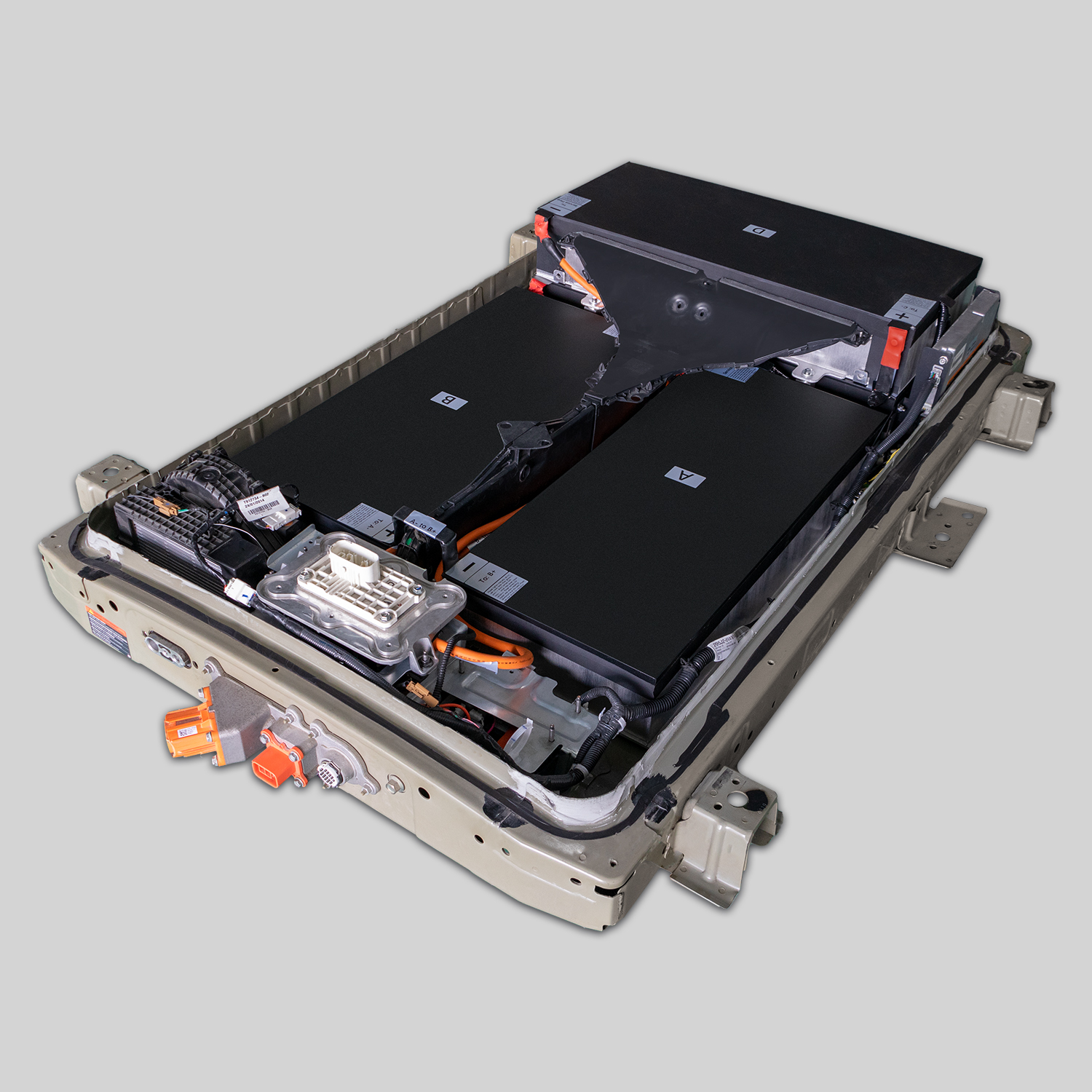
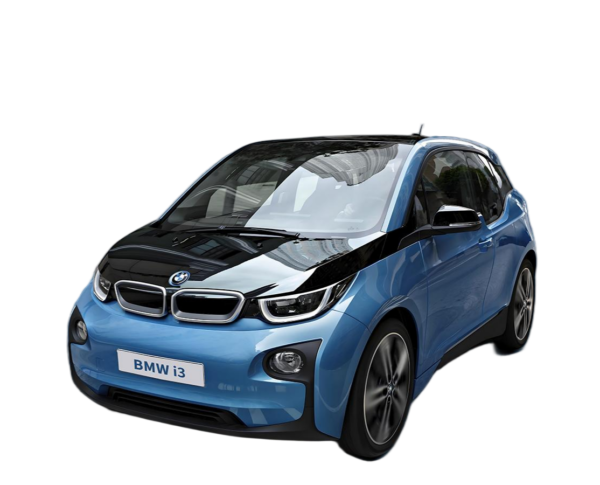
For 2016-2022 BMW i3 owners, 2026 is a critical year—your vehicle’s high-voltage (HV) battery is likely approaching the end of its 8-10 year lifespan, and the sticker shock of dealer replacement prices can feel overwhelming. Recent industry data shows BMW dealerships are quoting $18,000-$32,000 for a full i3 battery replacement in 2026[superscript:5][superscript:7], with some luxury trim or high-capacity (154Ah) replacements spiking to $71,000+ in extreme cases[superscript:7]. But here’s the good news: you don’t have to pay these exorbitant dealer prices. With the right knowledge, strategic choices, and access to certified third-party suppliers and remanufactured options, 2026 i3 owners can save up to $15,000 on battery replacements—without sacrificing quality, compatibility, or safety. This guide breaks down the 2026 BMW i3 battery replacement cost in detail, explains why dealer prices are so high, and shares actionable tips to slash your expenses while keeping your i3 running like new.
Before diving into savings strategies, it’s critical to understand the factors that drive BMW i3 battery replacement costs in 2026. Unlike cheaper electric vehicles (where battery replacements average $4,000-$5,000[superscript:4]), the i3’s premium positioning, specialized prismatic battery technology, and BMW’s strict quality standards contribute to higher base costs. Additionally, BMW’s shift to sixth-generation eDrive cylindrical batteries for new models[superscript:2] has tightened supply of genuine prismatic modules for legacy i3s, putting upward pressure on prices. However, the biggest cost gap isn’t in the battery itself—it’s in the markup dealers add for labor, branding, and warranty services. By separating these costs and choosing alternatives to dealership service, you can unlock massive savings without cutting corners.
2026 BMW i3 Battery Replacement Cost Breakdown (Dealer vs. Savings Options)
To fully grasp how much you can save, let’s break down the average 2026 BMW i3 battery replacement costs across different options, including dealer service, third-party certified service, remanufactured batteries, and DIY (for experienced owners). Costs vary by battery capacity (60Ah, 120Ah, 154Ah)—the most common replacements for 2016-2022 i3s are 120Ah (mid-range) and 154Ah (high-capacity)—and whether you choose genuine, remanufactured, or certified used modules.
1. BMW Dealer Replacement Costs (2026 Averages)
BMW dealerships charge a premium for battery replacements, combining genuine OEM batteries (sourced from CATL, EVE Energy, or Envision AESC) with factory-certified labor and a 2-3 year BMW-backed warranty[superscript:5][superscript:6]. Here’s what you can expect to pay in 2026:
• 60Ah Battery (Base Model i3): $18,000-$22,000 total (includes $14,000-$16,000 for the battery, $2,500-$3,500 for labor, $500-$1,000 for BMS calibration, and $1,000 for warranty admin fees).
• 120Ah Battery (Mid-Range i3): $22,000-$28,000 total (includes $17,000-$21,000 for the battery, $3,000-$4,000 for labor, $500-$1,000 for calibration, and $1,000-$1,500 for warranty fees). This is the most common replacement, as the 120Ah module offers 260km of real-world range—ideal for daily commutes[superscript:5].
• 154Ah Battery (High-Capacity i3): $28,000-$32,000+ total (includes $22,000-$26,000 for the battery, $3,500-$4,500 for labor, $1,000-$1,500 for calibration, and $1,500-$2,000 for warranty fees). Some dealers quote as high as $71,000 for rare luxury trims[superscript:7], though this is uncommon for most 2016-2022 models.
The biggest shock? Dealers mark up genuine batteries by 30-50% compared to wholesale prices[superscript:5], and labor rates ($150-$200/hour) are 2-3 times higher than certified independent shops. Even with the BMW warranty (which overlaps with many third-party warranties), the markup rarely justifies the cost—especially for owners whose vehicles are out of the original 8-year/160,000km battery warranty[superscript:1][superscript:6][superscript:7].
2. Savings Options: 2026 Costs That Cut $5,000-$15,000 Off Dealer Prices
The key to saving on your 2026 BMW i3 battery replacement is to avoid dealer markups while still choosing high-quality, compatible components. Below are the most cost-effective options, ranked by savings potential and reliability:
a. Certified Third-Party Service (Save $8,000-$15,000)
Certified independent EV repair shops—those specializing in BMW or luxury EVs—offer the best balance of savings and quality. These shops source genuine or certified OEM batteries directly from wholesale suppliers (CATL, EVE Energy) at 30-50% off dealer prices, and charge $100-$120/hour for labor. Here’s the 2026 cost breakdown:
• 60Ah Battery: $9,000-$13,000 total (saves $9,000-$10,000 vs. dealer).
• 120Ah Battery: $12,000-$18,000 total (saves $10,000-$15,000 vs. dealer—this is the sweet spot for most owners).
• 154Ah Battery: $16,000-$22,000 total (saves $12,000-$15,000 vs. dealer).
The best part? Reputable third-party shops offer 2-3 year warranties (matching BMW’s) and use BMW’s ISTA-D tool for BMS calibration[superscript:5], ensuring compatibility with 2026 firmware updates. They also avoid hidden fees (no warranty admin costs) and often include free battery health checks post-installation.
b. Remanufactured BMW i3 Batteries (Save $5,000-$10,000)
Remanufactured (rebuilt) i3 batteries are another cost-effective option for 2026 owners. These batteries use genuine BMW modules that have been tested, repaired, and recalibrated to meet OEM standards—often by the same manufacturers (CATL, EVE Energy) that produce new batteries. They’re 30-40% cheaper than new genuine batteries and come with 1-2 year warranties. 2026 costs:
• 120Ah Remanufactured Battery: $10,000-$14,000 total (including labor and calibration)—saves $8,000-$14,000 vs. dealer.
• 154Ah Remanufactured Battery: $14,000-$18,000 total—saves $14,000-$15,000 vs. dealer for high-capacity models.
Look for remanufactured batteries certified by BMW or ISO 9001 to ensure quality—avoid generic rebuilt modules, which often fail within 1-3 years[superscript:4][superscript:5]. Many third-party shops specialize in remanufactured i3 batteries and can provide documentation of testing and repairs.
c. Core Exchange Programs (Save an Extra $300-$1,000)
Nearly all battery suppliers (new and remanufactured) offer core exchange bonuses in 2026—you trade in your old i3 battery (the “core”) and receive $300-$1,000 off your replacement. This is a quick way to add to your savings, as your old battery can be recycled or remanufactured. Most third-party shops handle the core exchange for you, so you don’t have to worry about transporting the old battery (which weighs 100-150kg).
d. DIY Replacement (For Experienced Owners: Save $10,000-$15,000)
If you have experience working on EVs and access to the right tools (including BMW’s ISTA-D diagnostic tool for BMS calibration), DIY battery replacement is the cheapest option. You can buy a genuine or remanufactured 120Ah battery from wholesale suppliers for $8,000-$12,000 in 2026, and avoid labor costs entirely. Total savings: $10,000-$16,000 vs. dealer prices.
Warning: DIY replacement is not for beginners. i3 batteries are high-voltage (400V) and pose safety risks if not handled properly. You’ll also need to calibrate the BMS to ensure compatibility with your i3’s software—incorrect calibration can trigger error codes or damage the vehicle. Only attempt DIY if you’re a certified EV technician or have extensive experience with BMW i3s.
Why BMW Dealer Prices Are So High (2026 Breakdown)
Understanding why dealer prices are so steep helps you justify choosing alternative options. In 2026, dealer costs are inflated by four key factors—none of which add significant value for most i3 owners:
1. Battery Markup (30-50%)
BMW dealerships pay $8,000-$16,000 for genuine 120Ah/154Ah batteries from wholesale suppliers[superscript:5], but mark them up to $17,000-$26,000 for customers. This markup covers dealership overhead (rent, staff salaries, marketing) and profit—costs that third-party shops avoid by operating with lower overhead.
2. Exorbitant Labor Rates
Dealers charge $150-$200/hour for EV battery replacement labor, compared to $100-$120/hour at certified independent shops. A typical i3 battery replacement takes 8-12 hours, so labor alone adds $2,400-$2,800 more at a dealer than at a third-party shop[superscript:5].
3. Hidden Fees
Dealers often add hidden fees to battery replacements: $500-$1,500 for “BMS calibration fees” (which third-party shops include in labor), $1,000-$2,000 for “warranty admin fees,” and even $200-$300 for “disposal fees” (despite recycling being required by law in most regions[superscript:5]). These fees can add $2,000-$4,000 to your total cost.
4. Unnecessary Add-Ons
Dealers frequently pressure i3 owners to add unnecessary services during battery replacement, such as a full vehicle inspection ($300-$500), battery maintenance plans ($500-$1,000/year), or software updates ($200-$300)—services that are either included with third-party replacements or not needed for a battery swap.
2026 Tips to Ensure Savings Without Sacrificing Quality
Saving money on your BMW i3 battery replacement doesn’t mean cutting corners—follow these tips to ensure you get a high-quality, compatible battery that lasts 8-10 years (just like a dealer replacement):
1. Verify Battery Authenticity and Compatibility
Whether you choose a new or remanufactured battery, ensure it’s genuine BMW or certified OEM (CATL, EVE Energy) and compatible with your 2016-2022 i3 model. Ask for a serial number and verify it with BMW’s official VIN checker[superscript:5]—this ensures the battery will work with 2026 firmware updates (which lock out non-authorized batteries[superscript:2]). Avoid generic batteries, which often fail within 1-3 years and can damage your i3’s electrical system[superscript:4][superscript:5].
2. Choose Certified Technicians
Look for shops with BMW-certified EV technicians or technicians with 5+ years of experience working on i3s. Ask for references and reviews—reputable third-party shops will have positive feedback from other i3 owners. Ensure the shop uses BMW’s ISTA-D tool for BMS calibration[superscript:5]—this is critical for battery performance and compatibility.
3. Compare Quotes from 3+ Providers
Don’t settle for the first quote you receive. In 2026, prices vary widely between dealers and third-party shops—compare quotes from 3+ certified providers to find the best deal. Ask for a detailed breakdown (battery cost, labor, calibration, fees) to avoid hidden costs. Most shops will provide a free quote with no obligation.
4. Take Advantage of Core Exchange
Nearly all suppliers offer core exchange bonuses in 2026—don’t forget to trade in your old battery. This adds $300-$1,000 to your savings and is better for the environment (recycling reduces waste and conserves resources[superscript:5]).
5. Check for Warranty Coverage
Ensure your replacement battery comes with a 2-3 year warranty (matching BMW’s dealer warranty[superscript:1][superscript:6]). Reputable third-party shops and remanufacturers offer warranties that cover defects, failure, and compatibility issues—read the fine print to ensure there are no loopholes (e.g., excluding labor costs for replacements).
2026 doesn’t have to be a year of sticker shock for BMW i3 owners needing a battery replacement. With dealer prices ranging from $18,000-$32,000+, the opportunity to save up to $15,000 is real—if you know where to look. By choosing certified third-party service, remanufactured batteries, or (for experienced owners) DIY replacement, you can slash your costs while still getting a high-quality, compatible battery that keeps your i3 running like new. Remember: the dealer’s premium price tag isn’t about better quality—it’s about overhead and profit. With the right research and strategic choices, you can keep your BMW i3 on the road in 2026 without breaking the bank. The average i3 owner saves $10,000-$12,000 by choosing a third-party replacement—money that’s better spent on maintenance, upgrades, or your next adventure.