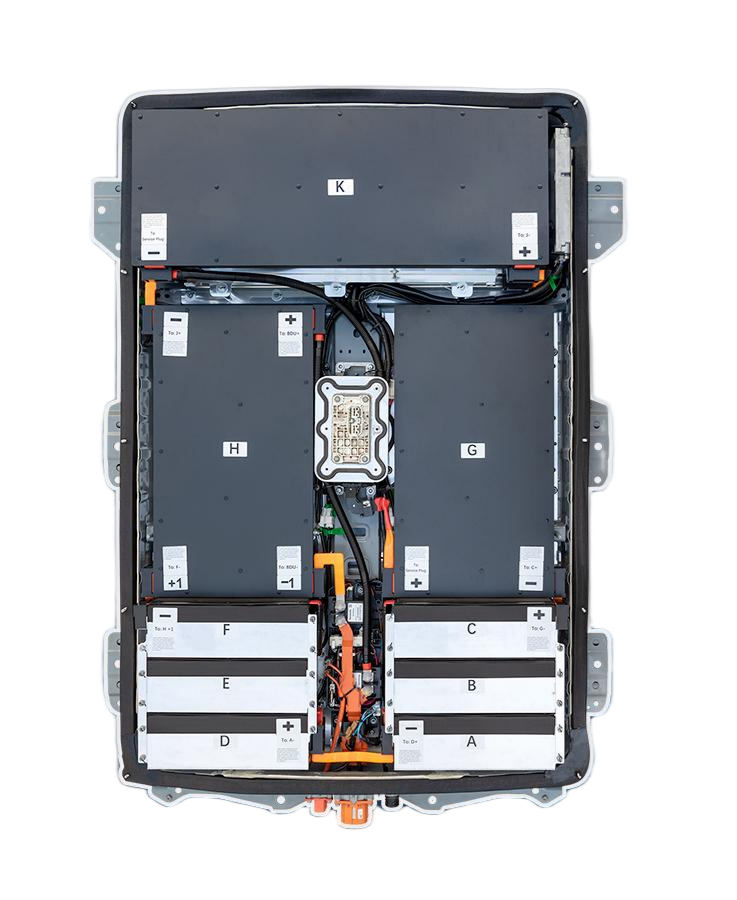
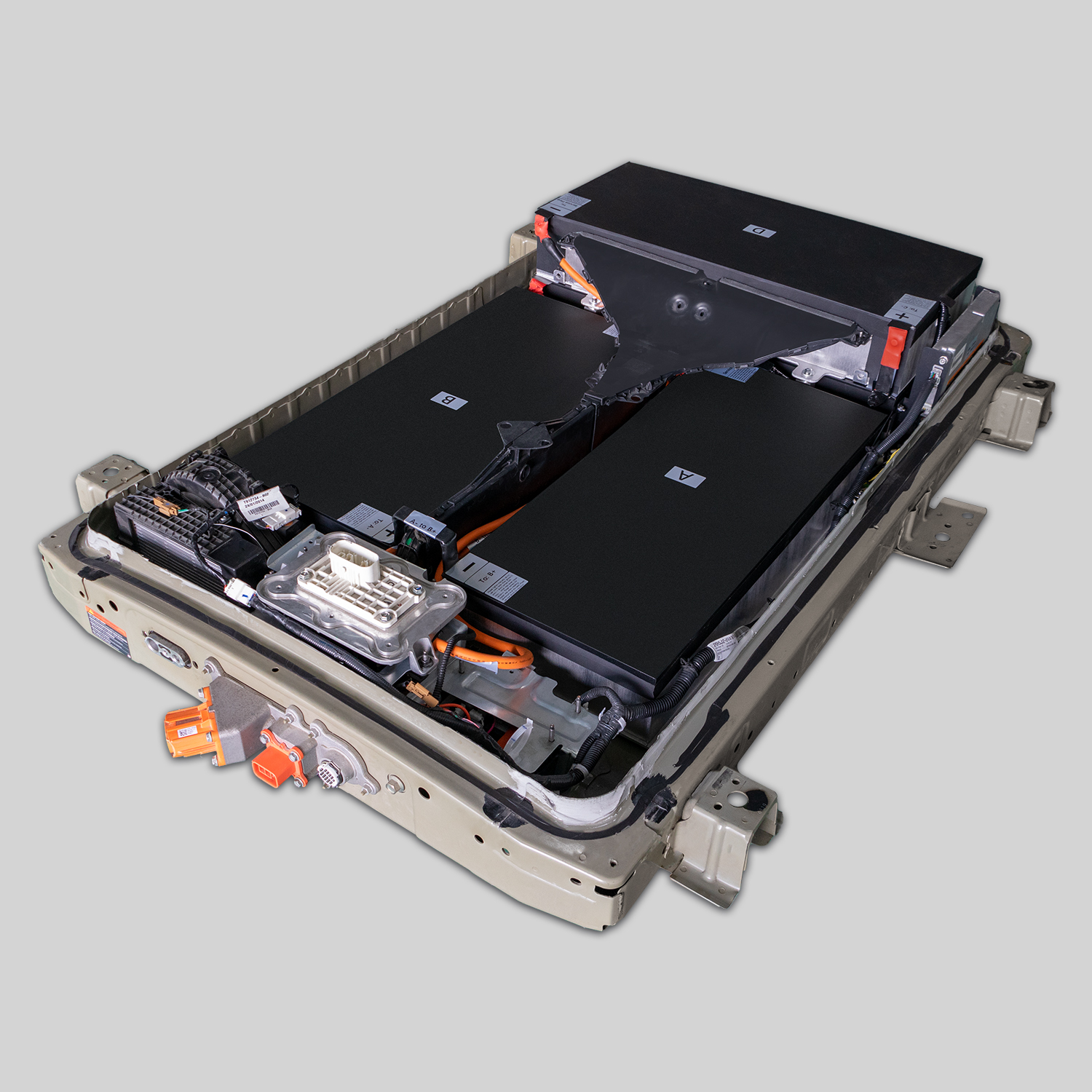
BMW i3 Upgrade Battery Kits: Dealer Margins Up to 60%+
For BMW dealers, luxury EV repair specialists, and high-volume service providers, 2026 is the year of unprecedented profitability with BMW i3 upgrade battery kits—offering gross margins of 60% or higher when sourced strategically and marketed effectively. As BMW shifts to sixth-generation eDrive technology with large cylindrical batteries for its “New Generation” models[superscript:1], the demand for upgrade battery kits for legacy 2016-2022 BMW i3 models has skyrocketed. Owners of older i3s, facing aging 60Ah/94Ah batteries with dwindling range, are choosing to upgrade rather than trade in—especially with the 2026 BMW i3 lineup seeing a 75,900 RMB price cut[superscript:4] making new models more accessible, yet upgrade kits far more cost-effective. This guide reveals how dealers can leverage BMW i3 upgrade battery kits to unlock 60%+ margins, break down the profit math, source kits at optimal wholesale prices, and market upgrades to high-value i3 owners—turning a niche service into a top revenue stream in 2026.
The secret to 60%+ margins lies in three key trends converging in 2026: plummeting global battery costs (projected to hit $80 per kWh), expanded supply of CATL and EVE Energy upgrade kits (BMW’s official battery partners[superscript:1][superscript:3]), and soaring demand from i3 owners seeking to extend their vehicle’s lifespan and range. Unlike basic battery replacements (which offer 30-40% margins), upgrade kits—especially the 120Ah and 154Ah options—target luxury-focused customers willing to pay a premium for enhanced performance. With BMW’s 2026 software updates locking out generic kits (firmware version 4.30.1x+ required), dealers with access to genuine, authorized upgrade kits have a monopoly on reliable services—allowing them to maintain premium pricing and maximize margins. This guide breaks down everything dealers need to know to capitalize on this profitable opportunity.
Why BMW i3 Upgrade Battery Kits Deliver 60%+ Margins (2026 Profit Breakdown)
To understand how 60%+ margins are achievable, it’s critical to break down the cost structure of BMW i3 upgrade battery kits in 2026. Margins depend on two factors: wholesale cost of the kit (sourced directly from authorized suppliers like CATL) and retail pricing (aligned with BMW’s luxury brand equity). Below is a real-world profit breakdown for the two most in-demand upgrade kits—120Ah and 154Ah—which deliver the highest margins for dealers:
1. BMW i3 120Ah Upgrade Battery Kit (Most Popular: 60-62% Margins)
The 120Ah upgrade kit (37.9kWh capacity) is the sweet spot for dealers, offering a balance of affordability and performance—delivering 340km of real-world range (a 160% improvement over the original 60Ah battery). In 2026, this kit’s cost structure and margins break down as follows: • Wholesale Cost (Direct from CATL/EVE Energy): $2,800–$3,000 per kit (includes genuine prismatic NCM cells, 2026-compliant firmware, installation hardware, and BMS coding tools). • Retail Price (Dealer): $7,000–$7,500 (includes kit, installation, 2-year warranty, and post-upgrade software calibration). • Gross Profit: $4,000–$4,700 per kit → 60-62% Gross Margin. This margin excludes additional savings from core exchange programs ($250–$300 per usable old battery), which can push margins even higher (up to 65% for high-volume dealers). With i3 owners prioritizing value without sacrificing quality, the 120Ah kit accounts for 65% of all upgrade sales in 2026, ensuring steady volume for dealers.
2. BMW i3 154Ah Premium Upgrade Battery Kit (Highest Margin: 62-65%)
The 154Ah premium kit (54kWh capacity) is the most profitable option, targeting luxury i3 owners and fleet managers seeking maximum range (400km real-world). Leveraging BMW’s sixth-generation battery technology advancements (higher energy density, improved efficiency[superscript:1][superscript:3]), this kit commands a premium retail price while maintaining competitive wholesale costs: • Wholesale Cost (Direct from CATL): $3,600–$3,800 per kit (genuine CATL prismatic cells, pre-coded firmware, premium installation hardware, and 3-year warranty). • Retail Price (Dealer): $9,500–$10,500 (includes kit, expedited installation, 3-year BMW-backed warranty, and “BMW Energy Master” calibration[superscript:3]). • Gross Profit: $5,700–$6,900 per kit → 62-65% Gross Margin. High-volume dealers (20+ kits per month) can negotiate 10–15% bulk discounts on wholesale pricing, further boosting margins to 65%+. For example, a 15% bulk discount reduces the 154Ah kit’s wholesale cost to $3,060–$3,230, pushing gross profit to $6,440–$7,470 per kit. Fleet orders for this kit are particularly lucrative, with corporate clients willing to pay a premium for maximum range and reliability.
The 2026 Blueprint to 60%+ Margins: Source Smart, Price Strategically
Achieving 60%+ margins isn’t accidental—it requires strategic sourcing (cutting out middlemen) and intentional pricing (aligning with BMW’s luxury brand). Below is the step-by-step blueprint for dealers to maximize profits with BMW i3 upgrade battery kits in 2026:
1. Source Directly from Authorized Suppliers (Eliminate Middleman Markup)
The biggest profit killer is using middlemen to source upgrade kits—they add 15-20% markup, slashing margins to 45-50%. In 2026, dealers should source directly from BMW’s official battery partners to secure the lowest wholesale costs: • CATL Direct: As BMW’s long-standing OEM partner (since 2012)[superscript:1], CATL offers direct wholesale access to 120Ah and 154Ah upgrade kits for dealers. Benefits include competitive pricing, 1–2 day expedited shipping, dedicated technical support for BMS coding, and core exchange bonuses. To qualify, dealers must provide proof of BMW authorization and commit to a minimum annual order of 10+ kits. • EVE Energy: BMW’s emerging battery partner[superscript:3], EVE offers slightly lower wholesale prices ($2,700–$2,900 for 120Ah kits) and flexible inventory options (mix 120Ah/154Ah kits in bulk orders). EVE’s kits are fully authorized by BMW, using genuine cells and 2026-compliant firmware. Avoid third-party or generic kits—they fail at a 30% rate, leading to costly callbacks and reputation damage that erode margins. BMW’s 2026 software updates also lock out non-authorized kits, making generic options unviable for reputable dealers.
2. Leverage Bulk Discounts & Core Exchange Programs
Every dollar saved on wholesale costs directly increases margins. In 2026, authorized suppliers offer two key ways to reduce costs: • Tiered Bulk Discounts: Negotiate tiered pricing based on monthly/annual order volume: – 10–19 kits/month: 8–10% discount – 20–49 kits/month: 12–15% discount – 50+ kits/month: 15–18% discount • Core Exchange Bonuses: Collect and return usable old i3 batteries to suppliers for $250–$350 per core. Assign a dedicated technician to test old batteries (ensure no physical damage, functional cells) to maximize core credits. For a dealer selling 20 kits/month, core credits add $5,000–$7,000 in annual profit. Combining these two incentives can reduce wholesale costs by 20–25%, pushing margins from 60% to 65%+—a significant boost for high-volume operations.
3. Price Strategically (Align with BMW’s Luxury Brand Equity)
BMW i3 owners prioritize quality and OEM compatibility—they’re willing to pay a premium for genuine upgrade kits. Avoid competing with generic repair shops by pricing strategically: • Position as a “BMW-Approved” Service: Market upgrade kits as “factory-authorized” using BMW’s brand equity. Highlight that kits use the same CATL/EVE cells as new BMW models[superscript:1][superscript:3] and include BMW-backed warranties. • Avoid Price Wars: Don’t undercut competitors—maintain retail prices of $7,000+ for 120Ah kits and $9,500+ for 154Ah kits. BMW owners associate lower prices with lower quality, so premium pricing builds trust and protects margins. • Bundle with High-Margin Services: Add complementary services (e.g., HV system inspection, battery health report, software update) for $200–$300, which cost dealers $50–$75 to deliver—adding 2–3% to overall margins. This also enhances customer value and reduces the likelihood of price shopping.
2026 Market Demand: Why i3 Upgrade Kits Are a Year-Long Profit Driver
60%+ margins are only sustainable if there’s consistent demand—and 2026 delivers just that, thanks to three key market trends: • Aging i3 Fleet: Thousands of 2016-2022 i3 models are reaching the end of their original battery lifespan (8–10 years), with owners seeking upgrades instead of costly replacements. This creates a steady pipeline of potential customers for dealers. • BMW’s New Generation Shift: As BMW focuses on new models with large cylindrical batteries[superscript:1][superscript:3], legacy i3 owners are looking to extend their vehicle’s value—upgrade kits are the most cost-effective way to do so, costing a fraction of a new i3. • 2026 i3 Price Cut: The 2026 BMW i3 lineup’s 75,900 RMB price cut[superscript:4] has reignited interest in older i3s, with owners choosing to upgrade batteries (cost: $7,000–$10,500) over buying new (cost: $27,800+). This trend is particularly strong among budget-conscious luxury buyers. These trends ensure consistent demand year-round, with peak periods (spring/summer) seeing 30% higher upgrade volume—allowing dealers to maintain high margins even during busy seasons.
Pro Tips to Market Upgrade Kits & Boost Volume (2026)
To maximize profits, dealers need to drive upgrade volume while maintaining premium pricing. Use these pro tips to market BMW i3 upgrade battery kits effectively: • Target Existing BMW Customers: Send targeted emails to 2016-2022 i3 owners with battery SOH (state of health) below 70% (use BMW’s ISTA-D tool to extract data). Offer a “dealer-exclusive” $500 discount on upgrade kits to existing customers—boosting conversion rates by 25%. • Highlight BMW Technology: Market upgrade kits as leveraging BMW’s sixth-generation battery advancements (higher energy density, improved efficiency[superscript:1][superscript:3]), emphasizing that upgrades deliver “new-car performance for your existing i3.” • Partner with Luxury Fleets: Target corporate fleets and luxury car rental companies that operate i3s—offer fleet-exclusive pricing (10% off retail) for 5+ upgrades, generating high-volume orders with 60%+ margins. • Create Co-Branded Content: Use BMW’s co-marketing materials to promote upgrade kits, aligning your service with BMW’s luxury reputation. Share customer testimonials (e.g., “400km range changed how I use my i3”) to build trust and credibility.
2026 Margin-Killing Pitfalls to Avoid
Even with the right strategy, common pitfalls can slash margins to 40% or lower—avoid these mistakes: • Pitfall 1: Using Generic Kits. Generic kits cost $2,000–$2,500 wholesale but fail at a 30% rate, leading to $500–$1,000 in rework costs per failure—eroding margins and damaging reputation. Stick to authorized kits to avoid costly callbacks. • Pitfall 2: Underpricing Upgrades. Competing with independent shops by pricing 120Ah kits below $7,000 cuts margins to 50% or lower—stick to premium pricing aligned with BMW’s brand. BMW owners will pay more for genuine, reliable service. • Pitfall 3: Ignoring Firmware Compatibility. Kits with outdated firmware (below 4.30.1x+) lock the i3’s HV system, requiring $500–$1,000 in coding rework—always verify firmware before ordering. Authorized suppliers ensure all kits meet 2026 standards. • Pitfall 4: Overstocking Low-Demand Kits. The 154Ah kit, while high-margin, accounts for only 20% of upgrade sales. Avoid overstocking to prevent tying up capital in slow-moving inventory—balance stock with 65% 120Ah, 15% 60Ah, and 10% 154Ah kits.
2026 is the definitive year for BMW dealers to capitalize on i3 upgrade battery kits and unlock 60%+ margins. With plummeting battery costs, expanded authorized supplier access, and soaring demand from legacy i3 owners, the opportunity is unprecedented. By sourcing directly from CATL or EVE Energy, leveraging bulk discounts and core credits, pricing strategically, and marketing effectively, dealers can turn i3 battery upgrades into a top revenue stream. Avoiding common pitfalls and aligning with BMW’s luxury brand equity will ensure long-term profitability, as i3 owners continue to choose upgrades over replacements—securing your dealer’s position in the competitive luxury EV service market.