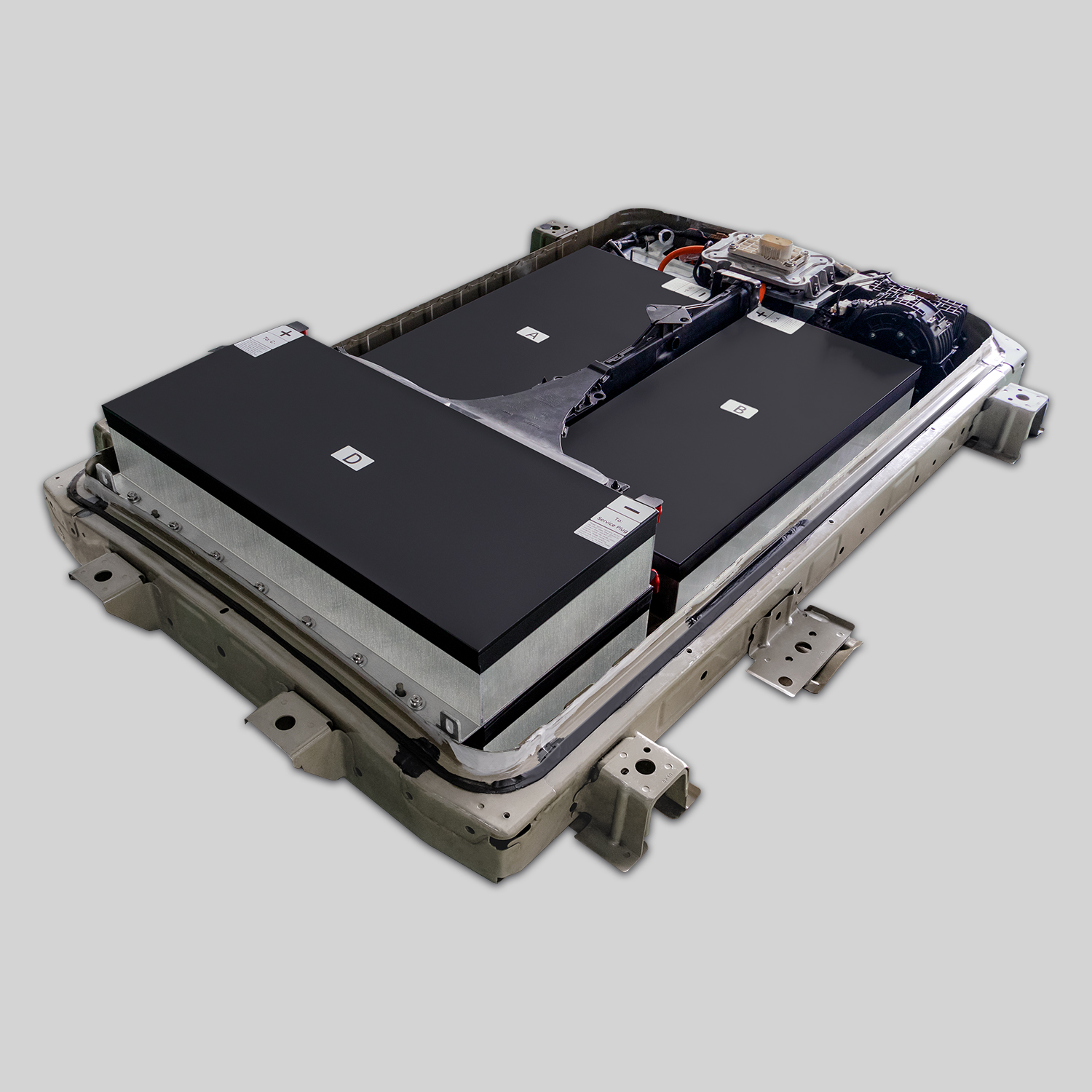
2026 BMW i3 Battery Diagnostic + Upgrade Service Guide
For EV repair shops and professional technicians, 2026 brings a critical opportunity in the BMW i3 service market—thousands of 2016-2022 i3 models are now reaching the end of their original battery lifespan, and owners are seeking reliable diagnostics and upgrades to extend their vehicle’s utility. Compounding this demand are BMW’s 2026 updates: a secondary recall to fix incorrect software versions from prior services, the rising cost of lithium carbonate (driving up battery prices 8-12% since November 2025), and the growing popularity of high-capacity 120Ah/154Ah upgrades that deliver 300+ km of real-world range. This comprehensive guide is tailored exclusively for repair professionals, breaking down 2026-compliant battery diagnostic protocols, top upgrade options, recall-specific considerations, and pro tips to avoid common errors—ensuring your shop delivers profitable, error-free service that aligns with BMW’s latest standards and customer expectations.
In 2026, BMW i3 battery services are no longer a one-size-fits-all process. Technicians must navigate three key challenges: diagnosing batteries with OEM-level accuracy using updated tools like ISTA-D, selecting compatible upgrades that address owner range needs while complying with 2026 software locks, and resolving recall-related software gaps that cause post-service errors. With BMW’s sixth-generation eDrive technology introducing large cylindrical batteries for new models, 2016-2022 i3s (relying on prismatic CATL cells) remain a niche but high-value market—one where expertise in diagnostics and upgrades will set your shop apart. This guide covers every step of the service journey, from pre-diagnostic preparation to post-upgrade verification, integrating the latest industry data and BMW technical requirements.
2026 BMW i3 Battery Diagnostic: Step-by-Step OEM-Compliant Protocol
Diagnostics are the foundation of successful i3 battery service in 2026—misdiagnoses lead to wasted parts, callbacks, and damaged reputations. With BMW’s ISTA-D software (the official dealer-level diagnostic tool) now required for accurate fault detection, and the 2026 recall emphasizing software version checks, following this structured protocol is non-negotiable. The goal is to identify battery health, pinpoint degradation causes, and confirm upgrade compatibility—all while adhering to BMW’s latest technical service bulletins (TSBs).
1. Pre-Diagnostic Preparation (Recall & Tool Readiness)
Start by ensuring your tools and vehicle are 2026-compliant to avoid diagnostic errors: • Tool Setup: Use ISTA-D (latest version, compatible with Windows 10+) paired with a BMW ICOM or K+DCAN OBD-II cable—generic scanners lack the firmware to read i3-specific BMS (Battery Management System) data or detect recall-related software issues. ISTA-D provides guided troubleshooting and full integration with BMW’s service ecosystem, critical for 2026 compliance. • Recall Check: Use the i3’s VIN to verify if it’s part of BMW’s 2026 secondary recall (caused by incorrect software versions during prior service). If so, prioritize software updates before proceeding with diagnostics—failure to do so will skew battery health readings and trigger post-upgrade errors. • Vehicle Prep: Park the i3 on a level surface, engage the parking brake, and ensure the 12V auxiliary battery is fully charged (low 12V power disrupts BMS communication). Disconnect any aftermarket electronics (e.g., dash cams) that may interfere with diagnostic readings.
2. Comprehensive Diagnostic Scans (3 Key Tests)
Run three core scans with ISTA-D to assess battery health and compatibility, focusing on data points critical for 2026 upgrades: • BMS Health Scan: Extract data on state of health (SOH), state of charge (SOC), cell balance, and cycle count. For 2026, BMW recommends upgrading batteries with SOH below 70%—these will fail to meet range expectations and are prone to sudden failure. ISTA-D will flag cell imbalance (more than 0.05V difference between cells), a common cause of DTCs (Diagnostic Trouble Codes) and shortened battery life. • High-Voltage (HV) System Scan: Inspect the HV wiring (orange-coded), connectors, and cooling system (for 2018+ models) for damage or corrosion. 2026 TSBs highlight that corroded HV connectors are a leading cause of battery overheating, especially in regions with heavy road salt. • Software Compatibility Scan: Verify the BMS firmware version (must be 4.30.1x or newer for 2026 upgrades). Older firmware will lock out 120Ah/154Ah modules, even if they’re CATL-powered and physically compatible. If outdated, update the firmware via ISTA-D before proceeding with upgrades—this addresses recall-related software gaps.
3. Diagnostic Data Analysis & Upgrade Recommendation
Translate diagnostic data into clear upgrade recommendations for customers, aligned with 2026 market trends: • For SOH 50-70%: Recommend a 120Ah upgrade (37.9kWh gross capacity) for customers seeking balanced range and cost—this delivers 340km of real-world range, a significant upgrade over original 60Ah/94Ah modules. • For SOH Below 50% or High Mileage: Suggest a 154Ah upgrade (54kWh capacity) for maximum longevity and range—this CATL-powered module delivers 400km of real-world range, ideal for customers who rely on their i3 for daily commuting or long trips. • For Lease Returns or OEM Purists: Recommend an OEM 94Ah replacement to match factory specifications, ensuring compliance with lease terms and maintaining original vehicle performance.
2026 BMW i3 Battery Upgrade: Top Options & Step-by-Step Installation
In 2026, the best i3 battery upgrades prioritize CATL cell technology (BMW’s OEM supplier), 2026-compatible firmware, and pre-tested cell balance—avoiding generic modules that trigger errors or fail prematurely. Below are the top upgrade options for shops, plus a streamlined installation process that incorporates recall compliance and post-service verification.
Top 3 2026-Compatible BMW i3 Battery Upgrades
1. CATL 154Ah Premium Module (Best for Range): Built with genuine CATL NCM prismatic cells (matching BMW’s OEM specifications), this 54kWh module delivers 400km of range, 96 cells configured in 12S1P×8, and operates at 355V—fully compatible with all 2016-2022 i3 models. It comes pre-loaded with 2026-compliant firmware, pre-balanced cells, and a 2-year warranty. Wholesale pricing starts at $3,800 (bulk orders), allowing shops to charge $6,500-$7,500 for the service (consistent with 2026 market rates) and net $2,700-$3,700 per job. 2. MTG 120Ah Value Module (Best for Cost-Conscious Customers): A budget-friendly option built with CATL cells, this 37.9kWh module delivers 340km of range and is compatible with 2016-2022 i3s. It includes 2026 firmware, pre-balanced cells, and a 1-year warranty. Wholesale pricing starts at $3,000, enabling shops to offer competitive $5,500-$6,500 service prices with $2,500-$3,500 profit per job. 3. BMW OEM 94Ah Module (Best for Factory Match): Ideal for lease returns or customers prioritizing OEM parts, this module is built by BMW with CATL cells and factory-calibrated firmware. It requires minimal coding and guarantees zero post-service errors. Wholesale pricing starts at $4,500, with service prices of $8,000-$9,000 and $3,500-$4,500 profit per job.
Step-by-Step 2026 Upgrade Installation (Recall-Compliant)
1. HV Safety Prep: Follow 2026 HV safety protocols—wear Class 00 insulated gloves (1000V rated), disconnect the 12V battery (negative terminal first), and wait 10 minutes for capacitors to discharge. Verify 0V with a CAT III 1000V voltage tester before touching any HV components. 2. Battery Removal: Use a hydraulic lift to access the underbody battery tray, remove mounting bolts (star pattern to avoid warping), and disconnect HV connectors and cooling lines (if applicable). Secure the old battery for recycling (compliant with 2026 environmental regulations) and inspect the tray for corrosion. 3. New Module Installation: Prepare the new module by verifying cell balance (with a cell tester) and firmware version (via ISTA-D). Lift the module into place, reconnect HV connectors (torque to 12Nm) and cooling lines (8Nm), and secure the tray with mounting bolts (45Nm). 4. BMS Coding & Software Update: Use ISTA-D to code the BMS to recognize the new module’s capacity (120Ah/154Ah) and update firmware to 4.30.1x or newer—this addresses recall-related software gaps and ensures compatibility. 5. Post-Upgrade Verification: Run a full ISTA-D scan to clear DTCs, test charging (10-80% in 30-40 minutes for 120Ah/154Ah), and take a 10-15km test drive to confirm range accuracy. Provide a diagnostic report to the customer, highlighting SOH, range, and software compliance.
2026 Pro Tips to Maximize Profit & Avoid Errors
• Leverage Bulk Pricing: With lithium carbonate prices rising, order 5+ modules at a time to secure volume discounts (10% off for 10+ units) from suppliers like MTG or CATL—offsetting cost increases and boosting profit margins. • Upsell Recall-Related Services: For recall-affected vehicles, upsell software updates ($150-$200 profit) and HV connector cleaning ($50-$100 profit) while the battery is removed—customers are more likely to agree to these services when the vehicle is already disassembled. • Address Structural Concerns: Some customers express skepticism about 154Ah upgrades affecting the i3’s chassis (a structural component). Reassure them by using modules that match OEM dimensions (e.g., 305×31×104mm for 154Ah) and provide real-world owner testimonials to build trust. • Offer a Compliance Guarantee: Differentiate your shop by guaranteeing recall compliance and zero post-service errors—most top suppliers will reimburse you for module replacements if compatibility issues arise, reducing your risk.
2026 is a pivotal year for BMW i3 battery services, with rising demand, recall-related requirements, and evolving technology creating opportunities for knowledgeable repair shops. By following this guide’s diagnostic protocols, selecting CATL-powered, 2026-compatible upgrades, and adhering to BMW’s latest safety and software standards, your shop can capitalize on this niche market. The i3’s loyal owner base values expertise and reliability—deliver error-free diagnostics and upgrades, and you’ll secure repeat business, referrals, and long-term profitability in the competitive EV service industry.
For bulk pricing on 2026-compatible CATL/MTG battery modules, technical support for ISTA-D coding, and recall compliance guidance, contact our team of BMW i3 experts. Elevate your shop’s EV service offerings and stand out in the 2026 market.