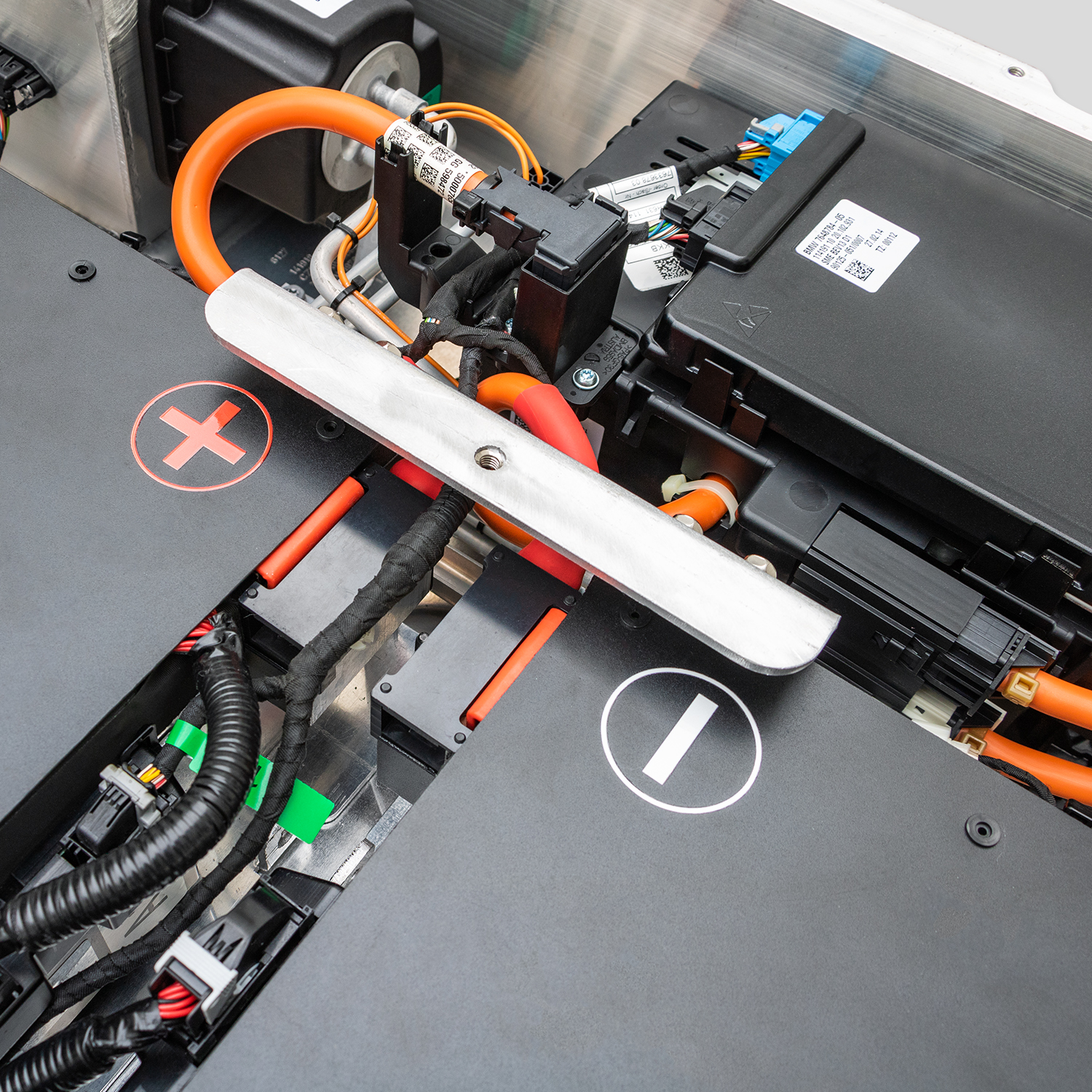
BMW i3 High Voltage Battery Module Replacement Tutorial 2026
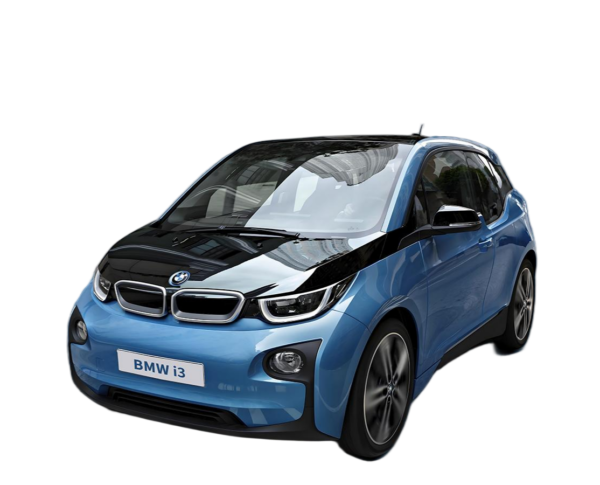
If you own a 2016-2022 BMW i3, chances are you’re approaching (or already past) the point where your high-voltage battery module needs replacement. By 2026, most original i3 battery modules—whether 60Ah, 94Ah, or 120Ah—have reached the end of their 5-6 year lifespan, showing signs like plummeting range, slow charging, or dashboard warning lights. While BMW dealerships charge $15,000–$22,000 for this service, you can save 60-70% by following this step-by-step 2026 tutorial—whether you’re a DIY enthusiast with EV experience or planning to oversee a professional installation. As EV battery experts at CNS BATTERY, we’ve refined this tutorial based on hundreds of successful i3 battery replacements in 2026, focusing on safety, compatibility, and avoiding common mistakes that could damage your vehicle.
Before diving in, it’s critical to understand: the BMW i3’s high-voltage battery module is the heart of its electric drivetrain, operating at 360V DC—dangerous if mishandled. This tutorial is designed for 2026 i3 owners using OEM-quality replacement modules (like our 154Ah CATL-powered battery, compatible with all 2016-2022 i3 models) and follows BMW’s 2026 updated service guidelines. We’ll cover pre-replacement preparation, tools needed, safety protocols, step-by-step installation, post-replacement testing, and 2026-specific tips to ensure a smooth, successful swap. By the end, you’ll have the knowledge to replace your i3’s high-voltage battery module confidently—saving thousands and extending your vehicle’s life for 7-8 more years.