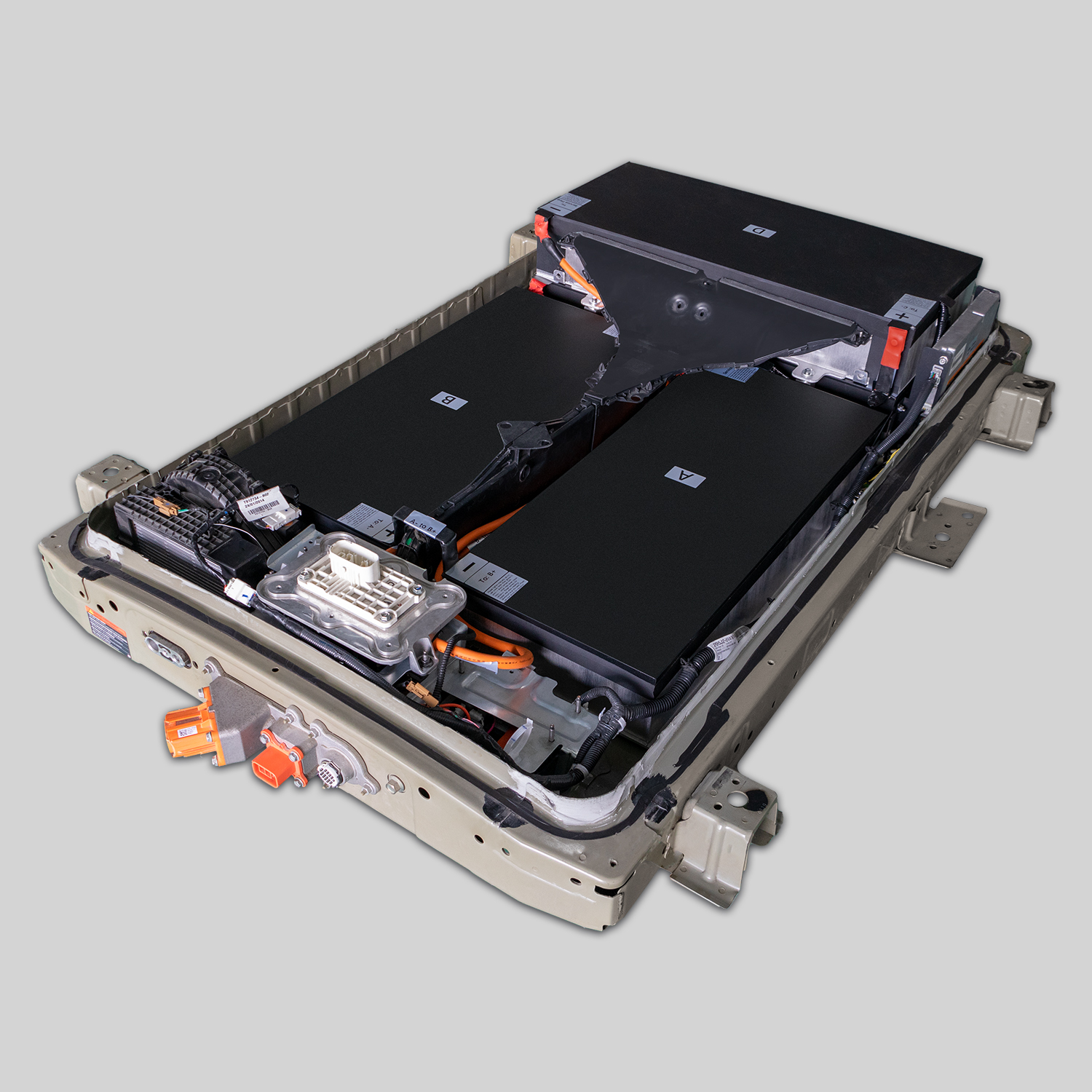
Cost-Effective Nissan Leaf Battery Options
As one of the earliest mass-produced electric vehicles, the Nissan Leaf has won millions of users worldwide with its affordability and practicality. However, battery degradation remains a core concern for owners—especially for older models with air-cooled batteries that are more prone to capacity loss in extreme temperatures. When your Leaf’s range drops to an unusable level (typically when SOH, or State of Health, falls below 60%), finding a cost-effective battery replacement becomes a top priority. This guide breaks down three budget-friendly options, helping you balance cost, reliability, and performance.
1. Nissan OEM Remanufactured Batteries: Balance of Quality and Affordability
For owners prioritizing brand reliability without paying for a brand-new battery, Nissan’s OEM remanufactured battery packs are an ideal middle ground. These batteries are rebuilt using genuine Nissan modules, undergo rigorous testing to ensure SOH levels of 90% or higher, and retain compatibility with your Leaf’s original systems—eliminating the risk of BMS (Battery Management System) mismatches.
Pricing for OEM remanufactured batteries varies by capacity. For 24 kWh packs (found in 2011–2017 Leaf models), costs range from $4,600 to $4,800, with a 3-year warranty and unlimited mileage coverage. The 40 kWh version (for 2018+ models) costs slightly more at $5,100–$5,500 but includes a 2-year warranty and CAN bridge technology for seamless integration. While more expensive than third-party options, OEM remanufactured batteries preserve your vehicle’s original warranty (where applicable) and avoid the safety risks of uncertified parts.
Key advantage: Peace of mind. Nissan’s strict quality control ensures these batteries perform like new, with range restoration to 85–95% of the original. They’re best for owners who plan to keep their Leaf for 3+ years and want minimal maintenance hassle.
2. Third-Party Aftermarket Batteries: Maximize Value and Range
Third-party manufacturers—especially Chinese suppliers specializing in EV battery modules—offer the best cost-to-performance ratio for budget-conscious owners. These batteries often use upgraded CATL NCM cells (nickel-cobalt-manganese) that deliver longer cycle life (up to 3,000 cycles) and better thermal stability than the Leaf’s original manganese-based cells.
Entry-level options include 32 kWh modular packs from suppliers like Jinchuan New Energy, priced at $1,600–$2,000 with a 4-year warranty and a 4.1/5.0 user rating. These modules fit 2011–2020 Leaf models and can boost range by 20–30% compared to a degraded OEM battery. For owners seeking range upgrades, Yaste Tech offers a 4S1P NMC 180Ah upgrade kit ($5,000–$5,200) that pushes range to over 250 miles—more than double the original 24 kWh pack’s range.
When choosing third-party batteries, prioritize suppliers with transparent testing data and BMS reprogramming services. Avoid no-name brands: look for those with a reorder rate above 30% and user reviews highlighting durability, such as Shenzhen Chun Eng Energy (4.3/5.0 rating) or Cowon Technology (4.9/5.0 rating with an 11-year warranty). Installation costs add $500–$1,000, but many suppliers offer bundled kits with free OBD diagnostics.
3. Used/Recycled Battery Packs: Budget Option for DIY Enthusiasts
For owners with mechanical skills or a tight budget, used (拆车件) Nissan Leaf batteries offer the lowest upfront cost—typically 30–50% of new or remanufactured options. Sourced from totaled Leafs or fleet vehicles, these packs can be found on platforms like eBay,闲鱼 (Xianyu), or specialized EV parts forums, with prices starting at $1,500 for a 24 kWh pack with 70–80% SOH.
Success with used batteries depends on rigorous inspection. Follow the “three checks” to avoid scams: first, request a recent BMS report to verify capacity and cycle count; second, inspect the pack for physical damage (no dents, leaks, or burnt connectors); third, confirm the original VIN matching to ensure compatibility. Avoid packs with SOH below 70%—they’ll degrade rapidly, requiring a second replacement within 2–3 years.
Note the risks: Used batteries rarely come with warranties, and improper installation can void your Leaf’s remaining powertrain warranty. Additionally, new regulations (effective April 2026) require “vehicle-battery integration” for scrapped EVs, potentially limiting the supply of legal used packs in the future. This option is best for DIYers who can test and refurbish modules themselves.
Key Tips for Choosing the Right Option
-
Check SOH First: Use a Leaf Spy app and Bluetooth adapter to measure your current battery’s health. If SOH is above 70%, consider battery conditioning (e.g., limiting DC fast charging) instead of replacement.
-
Warranty Matters: Prioritize batteries with at least a 2-year warranty. Third-party packs with 3–5 years of coverage offer better long-term value than cheap, unguaranteed options.
-
Consider Total Cost: Factor in installation, BMS reprogramming, and disposal fees (typically $100–$200 for old batteries) when comparing prices.
Conclusion
Nissan Leaf battery replacement doesn’t have to break the bank. OEM remanufactured packs suit reliability seekers, third-party upgrades cater to range-hungry owners, and used packs work for budget DIYers. By matching your needs to the option’s pros and cons— and verifying quality through SOH tests and supplier reviews—you can extend your Leaf’s lifespan for years without overspending. Remember: The cheapest option isn’t always the best—balance cost with warranty and performance to get the most value.