Upgrading Nissan Leaf Battery for Winter Range
For Nissan Leaf owners, winter range anxiety is an all-too-familiar struggle. Lithium-ion batteries are inherently sensitive to low temperatures, with industry data showing that every 10℃ drop in temperature reduces battery capacity by 8%-12% . At -15℃, the Leaf’s actual usable capacity plummets to roughly 70% of its常温 level, and factors like PTC heaters (which consume 3-5 kWh per hour) only worsen the issue . For drivers with older Leaf models or degraded batteries, upgrading the battery pack has become a practical solution to reclaim reliable winter mobility. This article explores everything you need to know about Nissan Leaf battery upgrades for winter range, including when to upgrade, available options, costs, and complementary tips.
When to Consider a Nissan Leaf Battery Upgrade for Winter
Not every Leaf requires a battery upgrade, but certain signs indicate it’s time to act—especially if winter range loss has become a daily hassle. First, monitor your battery’s State of Health (SOH). If your Leaf’s full charge drops below 9 out of 12 bars (70-75% of original capacity) within 8 years or 100,000 miles, significant winter range degradation is inevitable . For example, a 2011-2015 Leaf with a 24 kWh battery and 65% SOH may only deliver 70 miles in winter with the heater on, severely limiting daily use .
Other red flags include rapid range loss (5-10% in a short period), charging inconsistencies, or inability to hold a charge . If your Leaf’s winter range has fallen below your daily needs—such as struggling to reach work and back without recharging—it’s time to explore upgrade options.
Top Nissan Leaf Battery Upgrade Options for Winter Range
Battery upgrades for the Nissan Leaf fall into three main categories, each with tradeoffs in cost, range gain, and installation complexity. The right choice depends on your model year, budget, and winter driving demands.
1. Complete OEM Battery Replacement
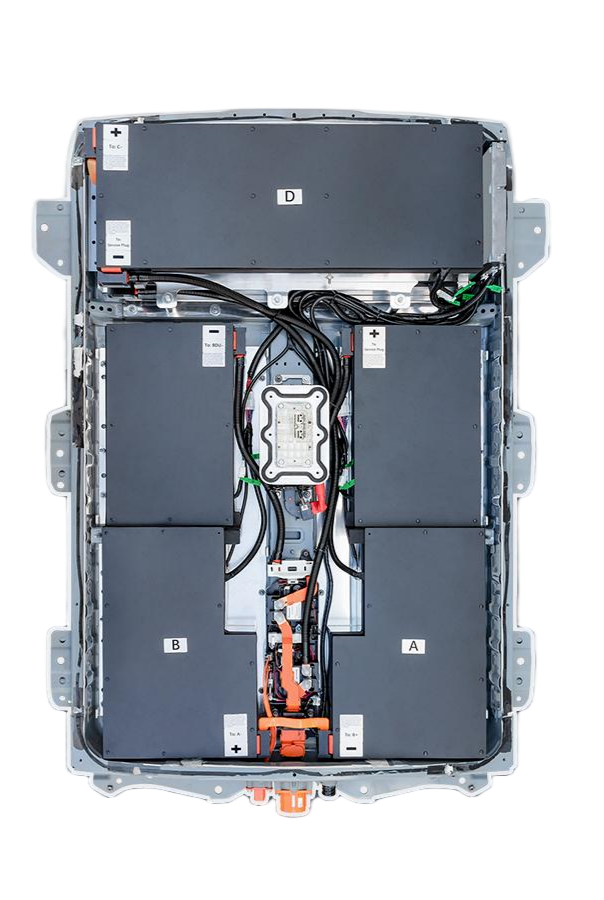
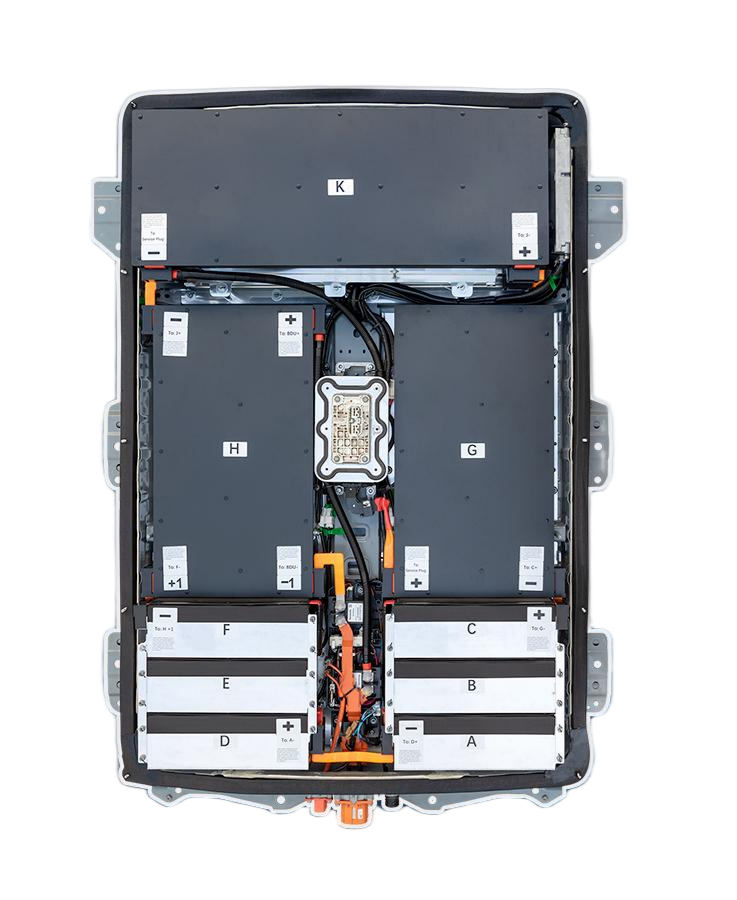
Nissan offers official battery replacement programs, including discounted upgrades for older models . For 2013-2017 Leafs with 24 kWh batteries, upgrading to a 40 kWh OEM pack is a popular choice. This swap boosts winter range from roughly 70 miles to 120-130 miles (with heater use) and retains Nissan’s 8-year/100,000-mile battery warranty . Newer 2018+ Leafs with 40 kWh packs can upgrade to 60 kWh units, extending winter range to 180+ miles.
The downside is cost: OEM 40 kWh packs range from $6,500 to $7,500, plus $1,000 in labor . However, the peace of mind from factory compatibility and warranty makes this ideal for drivers prioritizing reliability.
2. Third-Party Battery Upgrades
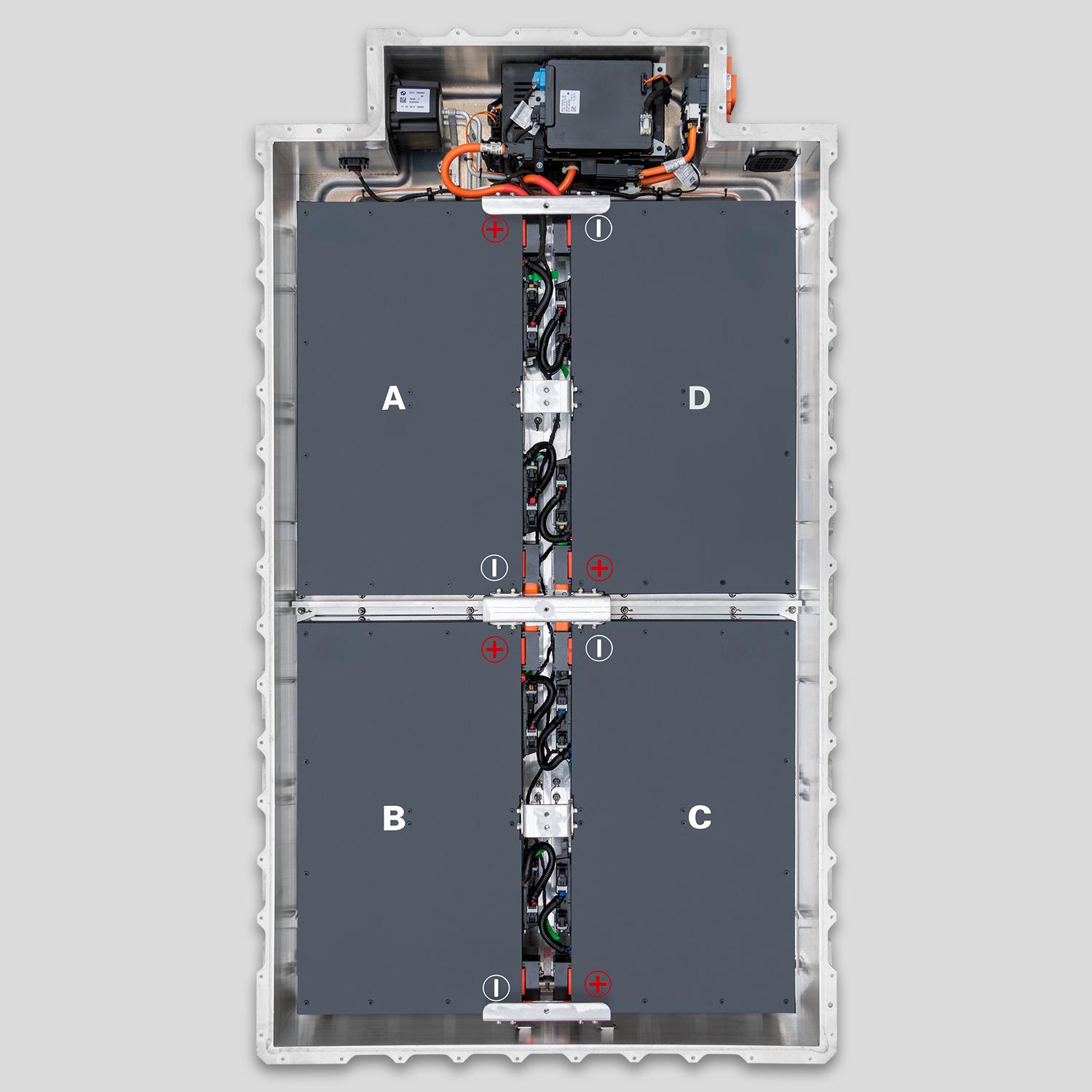
Third-party solutions offer better value and higher capacity for older Leaf models. Dutch company Muxsan’s MX-62 62 kWh pack doubles the range of 2011-2017 Leafs, delivering 200 miles in winter—thanks to its liquid cooling system that prevents cold-weather degradation . EV Rides’ 40 kWh Gen 2 pack uses refurbished Nissan cells for OEM-level compatibility, retaining CHAdeMO fast charging and including a 3-year warranty .
For budget-conscious owners, refurbished or salvaged third-party packs cost 30-50% less than OEM units. However, verify the supplier’s reputation and battery testing protocols to avoid safety risks . A 2017 Leaf owner reported boosting winter range from 70 to 209 miles (ECO mode) after upgrading to a repurposed晨风 battery .
3. Auxiliary Battery Packs
Non-invasive auxiliary packs are perfect for 2018+ Leafs or drivers who want temporary range gains. The Zero EV EX30 is a trunk-mounted 30 kWh add-on that adds 100 winter miles without modifying the original battery or BMS . It connects via Bluetooth for real-time monitoring and is ideal for occasional road trips.
The main drawback is reduced cargo space, but the plug-and-play design means it can be removed in warmer months when extra range isn’t needed.
Cost-Benefit Analysis of Winter Battery Upgrades
While battery upgrades require upfront investment, they often outperform the alternative of trading in your Leaf. A $7,500 OEM upgrade for a 2015 Leaf (24 kWh to 40 kWh) increases resale value by $5,000-$6,000 and eliminates winter range stress. Third-party upgrades ($4,000-$6,000) offer even better ROI for high-mileage drivers.
For owners with severely degraded batteries (SOH < 60%), upgrades are essential—continuing to drive with a weak battery increases charging time and risks permanent BMS damage in cold weather .
Complementary Tips to Maximize Winter Range Post-Upgrade
Even with a upgraded battery, small habits can further improve winter efficiency. Use Nissan’s “HyperPrecision” software (available on 2026 models) to optimize battery cooling and energy recovery . Preheat the battery and cabin via the Leaf app while plugged in—this uses grid electricity instead of battery power, reducing winter startup能耗 by 30% .
Adjust your driving style: Use ECO mode, avoid rapid acceleration, and flexibly switch kinetic recovery (strong recovery on downhill, low on highways) . Maintain proper tire pressure (increase by 2-3 PSI in winter) to reduce rolling resistance, and use seat/steering wheel heaters instead of maxing out the HVAC system—they consume 70% less power .
Conclusion
Upgrading your Nissan Leaf’s battery is a game-changer for winter mobility, turning range anxiety into confidence. OEM upgrades offer reliability, third-party solutions deliver value, and auxiliary packs provide flexibility—choose based on your model year and budget. Pair the upgrade with smart winter driving habits, and your Leaf will perform consistently even in sub-zero temperatures.
For Leaf owners facing extreme winter conditions, the investment in a battery upgrade isn’t just about range—it’s about reclaiming the convenience and sustainability that made you choose an EV in the first place.