Nissan Leaf Battery Swap for Maximum Efficiency
As a pioneer in the mass-market electric vehicle (EV) segment, the Nissan Leaf has won over millions of drivers with its reliability, affordability, and eco-friendliness since 2010. However, like all lithium-ion batteries, the Leaf’s power pack inevitably degrades over time, leading to reduced range, slower charging, and diminished overall efficiency. For many Leaf owners, a battery swap isn’t just a repair—it’s a strategic investment to restore performance and maximize the vehicle’s efficiency. This guide breaks down everything you need to know about Nissan Leaf battery swaps, from recognizing when it’s time to replace your battery to choosing the right pack for peak efficiency.
Understanding Nissan Leaf Battery Degradation and Efficiency Loss
Battery degradation is a natural process for all EVs, and the Nissan Leaf is no exception. On average, Leaf batteries lose approximately 2% of their capacity per year under normal driving conditions, with a typical lifespan of 8–10 years depending on usage and environmental factors . Extreme temperatures, frequent fast charging, and deep discharge cycles can accelerate this degradation, robbing the battery of its ability to hold a charge and deliver consistent power.
The most obvious sign of declining efficiency is a noticeable drop in driving range. For example, early Leaf models with a 24kWh battery originally offered an EPA range of 73–84 miles; a degraded battery might only deliver 50 miles or less on a full charge . Other red flags include slow charging, rapid energy depletion, and the battery failing to reach full capacity (indicated by fewer than 9 out of 12 bars on the Leaf’s battery gauge) . When these issues arise, a battery swap becomes essential to restore the Leaf’s original efficiency and usability.
When to Swap Your Nissan Leaf Battery for Optimal Efficiency
Timing your battery swap correctly is key to maximizing efficiency and avoiding unnecessary costs. Experts recommend considering a replacement when your Leaf’s battery capacity drops to 70–75% of its original state (SOH, State of Health) . At this point, range loss becomes significant enough to hinder daily use, and the battery’s efficiency—measured in miles per kWh—declines sharply.
Specific scenarios that warrant a swap include: losing 5–10% of range in a few weeks or months, inability to hold a charge for daily commutes, persistent battery warning lights, or the vehicle being over 8 years old with more than 100,000 miles . For used Leaf buyers, a pre-purchase battery inspection is critical—avoid vehicles with SOH below 80% unless a swap is part of the deal.
Choosing the Right Battery for Maximum Efficiency
Selecting the appropriate battery pack directly impacts your Leaf’s post-swap efficiency. Nissan Leaf batteries have evolved significantly over the years, with capacities ranging from the original 22kWh (2010) to the 62kWh pack (2019–2022) . Here’s how to choose the best option:
1. OEM vs. Third-Party Batteries
Genuine Nissan OEM batteries guarantee compatibility and come with a warranty (up to 8 years/100,000 miles for defects and capacity loss) . They are engineered to match the Leaf’s battery management system (BMS), ensuring optimal energy distribution and efficiency. Third-party or refurbished batteries offer lower costs (30–50% less than OEM) but carry risks—always verify certification, cell quality, and warranty coverage to avoid efficiency issues.
2. Capacity Upgrades for Enhanced Efficiency
Upgrading to a higher-capacity battery can boost both range and efficiency. For example, swapping a 24kWh pack (2011–2017 models) with a 30kWh or 40kWh pack increases EPA range from 84 miles to 107–149 miles, while improving energy density . A 2023 model update even saw Nissan adjust battery chemistry in the 60kWh pack (down from 62kWh) to achieve a 5mpge efficiency gain, proving that capacity isn’t the only factor in efficiency .
3. Compatibility Considerations
Not all Leaf batteries are interchangeable. First-generation Leafs (2010–2017) use 360V systems with 24kWh–30kWh packs, while second-generation models (2017+) support 40kWh–62kWh packs . Some owners have successfully swapped晨风 (Venucia e30) batteries into older Leafs, achieving SOH restoration to 100% and 209 miles of range in ECO mode —always consult a certified EV technician for cross-model compatibility.
The Battery Swap Process: Ensuring Efficiency Post-Installation
A professional battery swap is critical for maintaining efficiency, as improper installation can damage the BMS or reduce battery lifespan. Here’s what the process entails:
-
Diagnosis and Preparation: A technician uses specialized tools to test battery SOH, voltage, and BMS functionality. The vehicle is depowered to ensure safety during the swap.
-
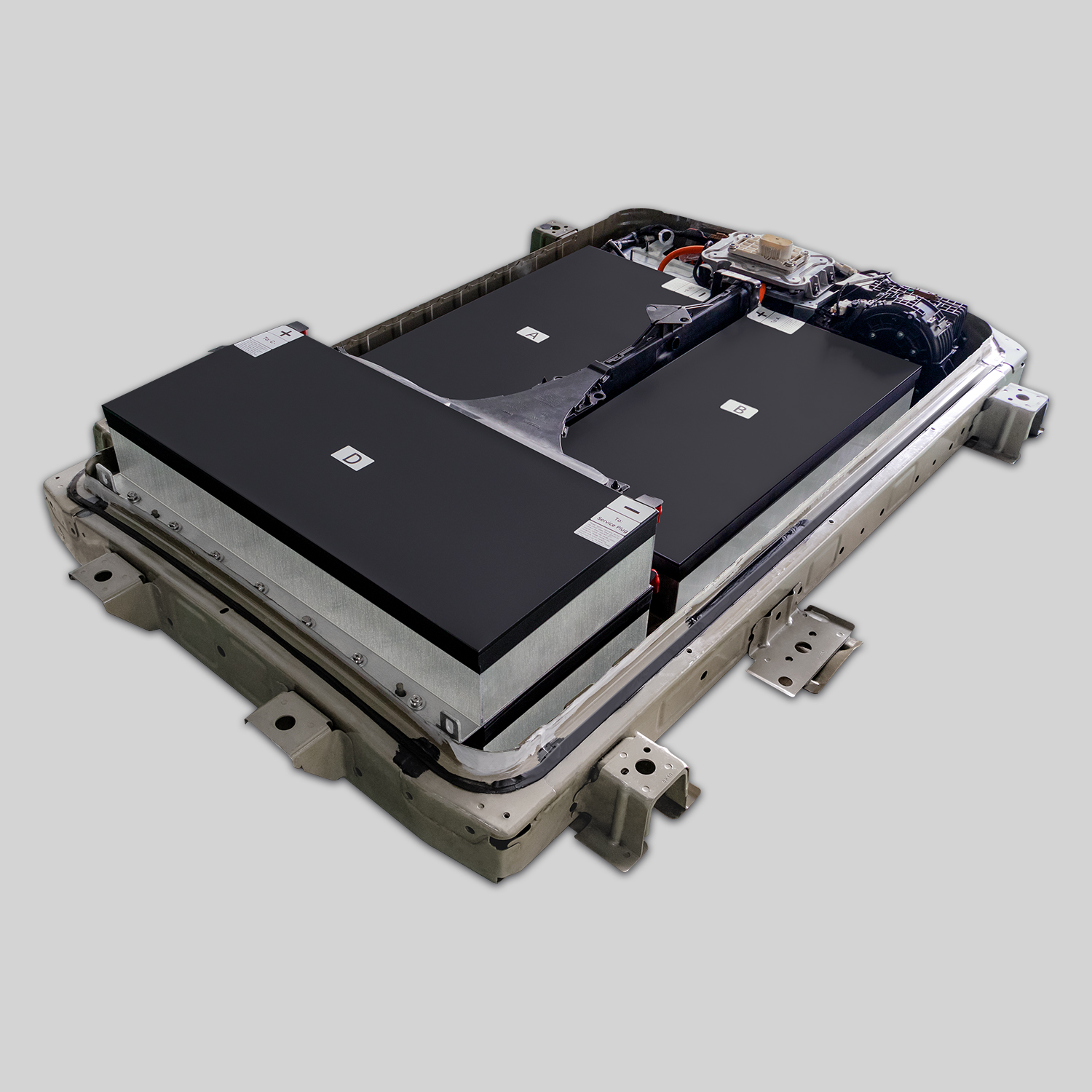
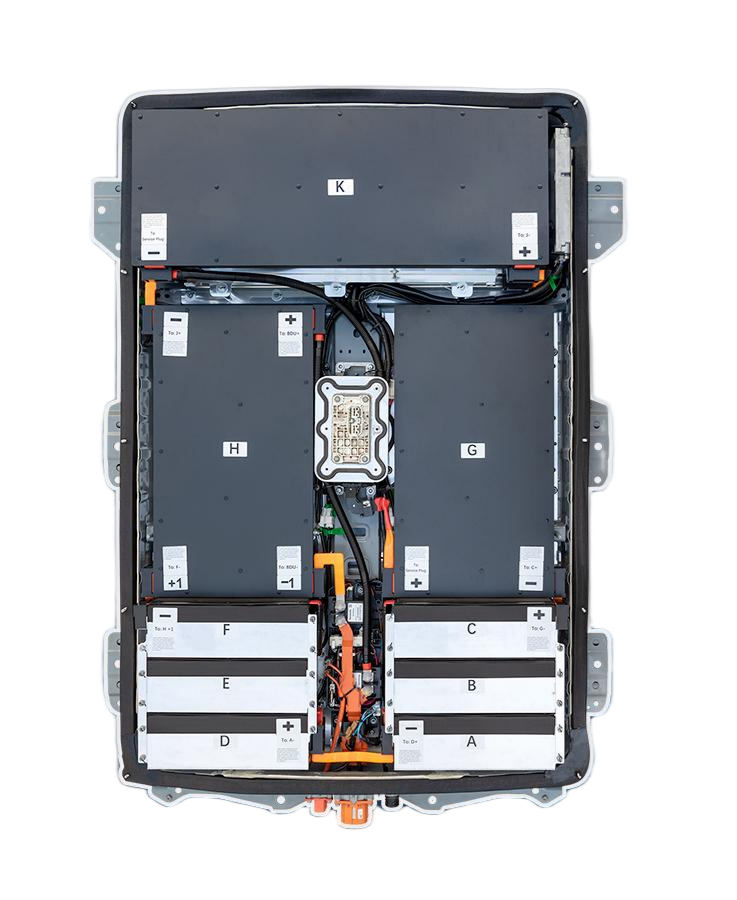
Battery Removal: The old pack (weighing ~300kg) is removed from the Leaf’s underbody, with careful handling of high-voltage connectors .
-
New Battery Installation: The replacement pack is secured, and connectors are reattached. For non-OEM batteries, BMS reprogramming may be needed to sync with the vehicle.
-
Testing and Calibration: The system is tested for charging, discharging, and regenerative braking efficiency. Regenerative braking— which converts kinetic energy to electricity— is calibrated to maximize energy recapture, a key factor in Leaf efficiency .
DIY swaps are strongly discouraged due to high-voltage hazards; always use a certified EV shop with experience in Nissan Leaf repairs .
Efficiency Gains After a Battery Swap
A successful battery swap delivers immediate efficiency improvements. Owners report restored range (up to 209 miles in ECO mode for upgraded first-gen models ), faster charging times (no more prolonged sessions due to degraded cells), and improved miles per kWh. For example, a 2011 Leaf with a degraded 24kWh battery (65% SOH) swapped to a refurbished 30kWh pack saw a 40% increase in range and 15% better energy efficiency .
Beyond daily driving, a new battery enhances the Leaf’s bidirectional charging capabilities (where supported), allowing efficient energy transfer between the vehicle and grid . This not only boosts practicality but also aligns with Nissan’s focus on circular battery economy—old packs can be repurposed for stationary energy storage, extending their lifecycle .
Cost vs. Efficiency: Is a Nissan Leaf Battery Swap Worth It?
Battery swap costs vary by capacity and type: OEM packs range from $6,500–$15,000 (plus $1,000 labor), while refurbished options cost $3,000–$8,000 . For many owners, the investment is justified by extended vehicle life (adding 3–5 years of reliable use) and improved efficiency—avoiding the $30,000+ cost of a new EV.
Warranty coverage can offset costs: Nissan’s battery warranty covers free replacement if capacity drops below 75% within 8 years/100,000 miles . For out-of-warranty vehicles, third-party warranties (1–3 years) offer peace of mind.
Conclusion: Maximizing Leaf Efficiency Through Strategic Battery Swaps
A Nissan Leaf battery swap is more than a repair—it’s a way to unlock the vehicle’s full efficiency potential. By recognizing degradation signs, choosing the right battery, and trusting professional installation, owners can restore range, improve energy usage, and extend their Leaf’s lifespan. As Nissan advances toward solid-state battery technology (promising 2x energy density and 1/3 charging time ), existing Leaf models can remain efficient and relevant through well-timed battery swaps.
For Leaf owners looking to maximize efficiency, the message is clear: don’t let a degraded battery compromise your driving experience. A strategic swap ensures your pioneering EV continues to deliver the reliable, efficient performance that made it a household name in electric mobility.