How to Choose the Best Nissan Leaf Battery Replacement
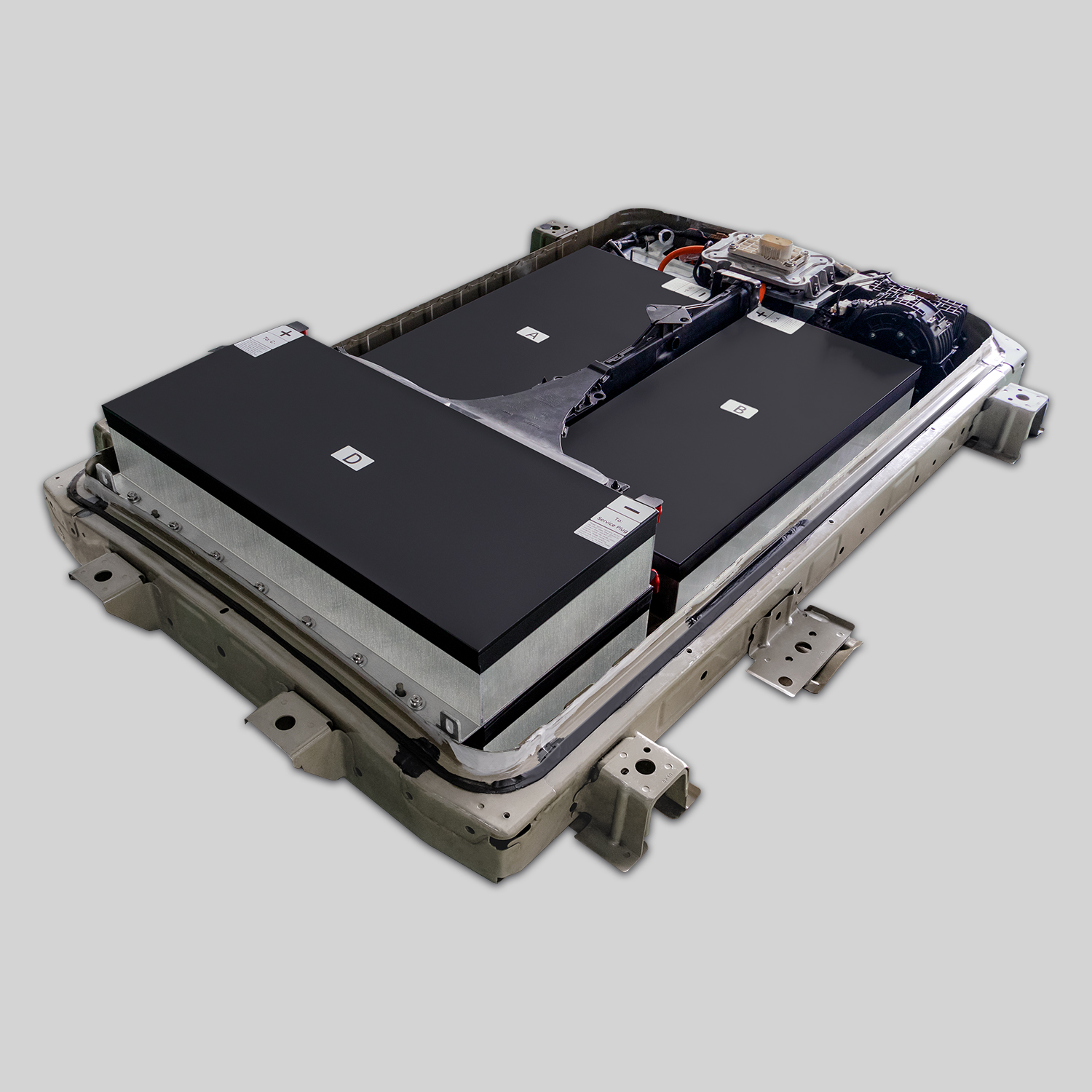
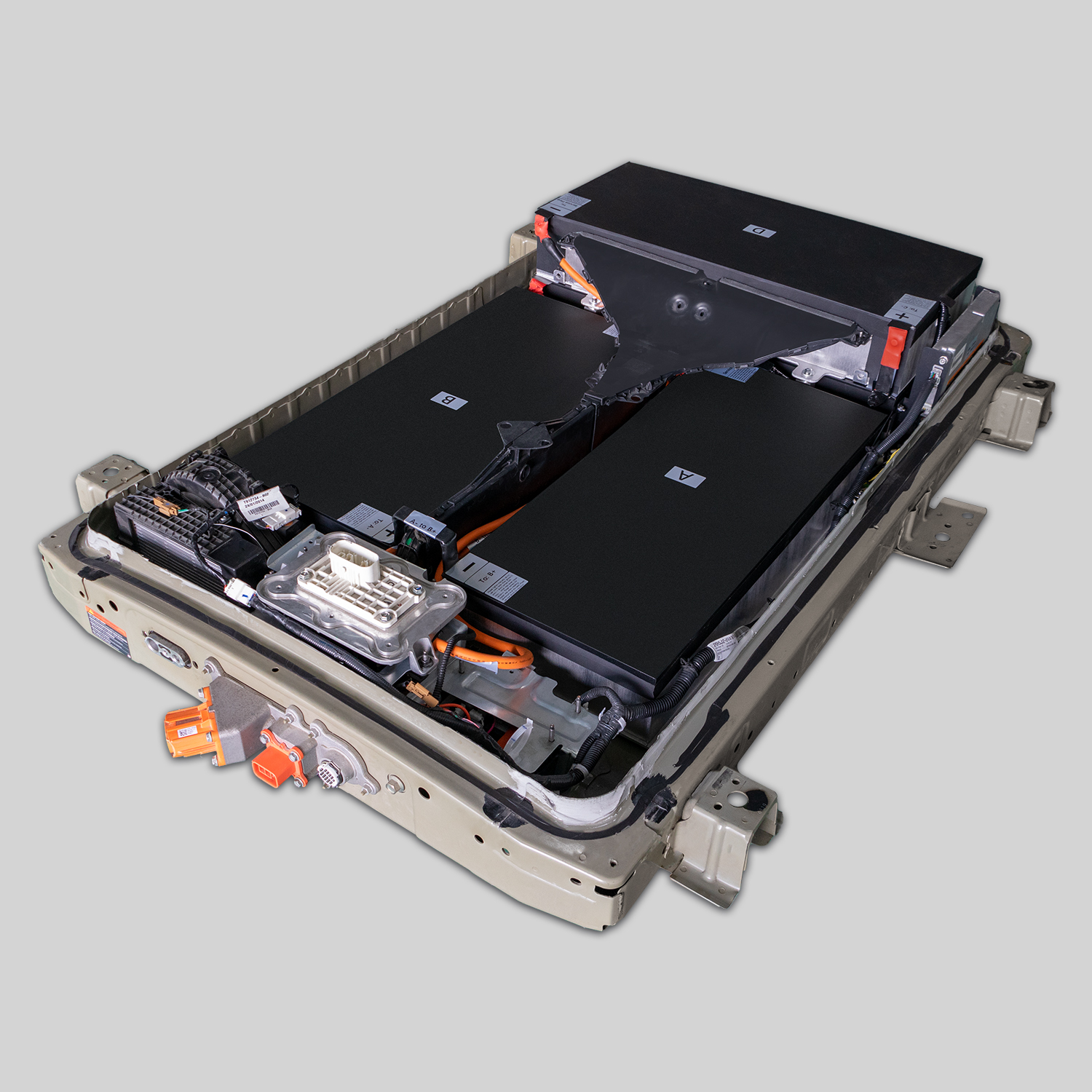
As the pioneering electric vehicle in the mass market, the Nissan Leaf has won millions of owners worldwide with its reliability and affordability. However, like all EV batteries, the Leaf’s lithium-ion battery pack will experience capacity degradation over time—usually after 8-10 years of use—leading to reduced driving range and performance. Choosing the right replacement battery is crucial to restoring your Leaf’s functionality and getting the best value for money. This guide breaks down the key factors to consider when selecting a Nissan Leaf battery replacement, helping you make an informed decision.
1. Understand the Three Main Battery Types for Nissan Leaf Replacement
When shopping for a replacement battery, you’ll encounter three primary options, each with its own pros, cons, and price points. Understanding their differences is the first step to choosing what’s best for your needs and budget.
Genuine Nissan OEM Batteries
Genuine Original Equipment Manufacturer (OEM) batteries are produced by Nissan or its authorized partners, ensuring perfect compatibility with your Leaf model. These batteries come with a factory warranty—typically 8 years or 160,000 kilometers, matching the original battery’s coverage—and are designed to meet the exact performance standards of your vehicle. They are ideal for owners who prioritize reliability and want to maintain their Leaf’s original performance. However, OEM batteries are the most expensive option, with prices ranging from $5,500 to $9,200 depending on capacity (40kWh to 68kWh) . They are recommended for newer Leaf models (ZE1, AZE0) where compatibility is critical.
Third-Party Brand-New Batteries
Reputable third-party manufacturers like CATL and CNS Battery offer high-quality, brand-new battery packs tailored for the Nissan Leaf. These batteries often use advanced lithium-ion technologies (such as NMC cells) and provide comparable performance to OEM options, with some even offering higher capacity upgrades (e.g., 62kWh or 68kWh) for older Leaf models (ZE0) . Prices are more competitive than OEM batteries, ranging from $4,000 to $7,800, and many come with a 3-5 year warranty. For example, CNS Battery’s 62kWh pack can extend the Leaf’s range to 440 kilometers, a significant upgrade from the original 24kWh or 30kWh packs . This option balances cost and performance, making it popular among budget-conscious owners looking to upgrade range.
Remanufactured/Refurbished Batteries
Remanufactured batteries are rebuilt from used OEM packs, with worn cells replaced, and the entire unit tested to meet performance standards. They are the most affordable option, priced between $1,500 and $3,000, but come with higher risks. While some reputable vendors offer a 1-2 year warranty, the quality varies widely—low-quality refurbished batteries may suffer rapid capacity loss or reliability issues. Avoid “gray market” remanufactured packs; instead, choose vendors that provide certification, cell testing reports, and clear warranty terms . This option is only recommended for older Leaf models (2011-2014) where OEM or new third-party batteries are cost-prohibitive.
2. Match Battery Capacity and Compatibility to Your Leaf Model
Not all Nissan Leaf batteries are interchangeable. Compatibility depends on your vehicle’s model year, chassis code, and original battery management system (BMS). Here’s a quick reference to ensure a perfect fit:
-
Model Years 2011-2017 (ZE0 Chassis): Originally equipped with 24kWh, 30kWh, or 40kWh batteries. Compatible replacements include 40kWh, 50kWh, or 62kWh third-party packs (with BMS compatibility adapters, also known as CAN bridges) . Avoid 68kWh packs, as they may require modifications to the battery tray.
-
Model Years 2018-Present (ZE1/AZE0 Chassis): Came with 40kWh or 62kWh batteries. Stick to OEM or third-party packs of the same or similar capacity (40kWh to 68kWh) to ensure BMS integration. These models have stricter BMS protocols, so “plug-and-play” options are preferred .
-
Capacity Considerations: Higher capacity batteries (50kWh+) extend range but add weight—for example, a 62kWh pack weighs 360kg, compared to 260kg for a 40kWh pack . Ensure your Leaf’s suspension and braking system can handle the extra weight, especially for older models.
Always check the battery’s voltage (typically 345.6V for Leaf packs) and module configuration (e.g., 4s1p, 1p96s) to match your vehicle’s original specifications . Using an incompatible battery can damage the BMS or cause electrical failures.
3. Verify Battery Quality and Avoid Counterfeits
Counterfeit and low-quality batteries are common in the EV battery market, so thorough inspection is essential. Use these tips to assess quality:
Inspect Physical Condition
Genuine and high-quality batteries have smooth, undamaged casings with clear, legible branding and production dates . Avoid packs with dents, bulges, or signs of corrosion on terminals—these indicate damage or poor storage. Check the sealing胶 (sealant) around the case; uneven or bubbly sealant suggests a refurbished pack that may leak electrolytes .
Check Certification and Documentation
Reputable batteries come with certification (e.g., ISO, IEC) and test reports confirming cell health (State of Health, SOH ≥ 90%) . Ask for a copy of the SOH test—genuine new batteries will have an SOH of 100%, while remanufactured packs should be ≥ 90%. Avoid vendors that cannot provide these documents.
Validate Warranty Terms
A strong warranty is a sign of quality. OEM batteries offer 8 years/160,000km coverage, including capacity decay (coverage triggers if SOH drops below 70-75%) . Third-party batteries should have a minimum 3-year warranty, with clear terms for capacity decay and defects. Avoid warranties that exclude “normal wear” or limit coverage to manufacturing defects only.
4. Consider Installation and After-Sales Support
Battery replacement is not a DIY project for most owners—professional installation is required to ensure safety and BMS calibration. Choose a vendor or service center with experience in Nissan Leaf battery swaps. Reputable third-party manufacturers like CNS Battery offer “plug-and-play” packs that simplify installation, while some require wiring adjustments (6 power lines + 1 signal line for module replacements) .
After-sales support is equally important. Opt for vendors that provide technical assistance for BMS programming and troubleshooting. Local dealers or certified EV repair shops may offer installation warranties, adding an extra layer of protection.
5. Balance Price and Long-Term Value
While it’s tempting to choose the cheapest option, consider long-term value. A $2,000 remanufactured battery may need replacement in 2-3 years, while a $6,000 third-party new battery could last 7-8 years. Calculate the cost per year: the latter is more economical over time. For owners planning to keep their Leaf for 3+ years, investing in an OEM or high-quality third-party battery is worth it.
Also, factor in potential range upgrades. A 62kWh battery can transform an older Leaf from a city commuter (100km range) to a long-distance vehicle (440km range) , adding practicality and resale value.
Final Tips for Choosing the Best Replacement
1. Consult your local Nissan dealer for OEM battery availability and warranty details, especially if your Leaf is still under partial warranty.
2. For upgrades, prioritize third-party packs with CATL cells—they offer excellent durability and energy density .
3. Avoid buying batteries from unvetted online sellers or auction sites—counterfeits are prevalent here.
4. Keep all purchase receipts and warranty documents in a safe place for future claims.
By focusing on compatibility, quality, warranty, and long-term value, you can choose a Nissan Leaf battery replacement that restores performance, extends range, and provides peace of mind for years to come. Whether you opt for OEM reliability, third-party value, or a budget-friendly remanufactured pack, the right choice depends on your model, budget, and how long you plan to keep your Leaf.