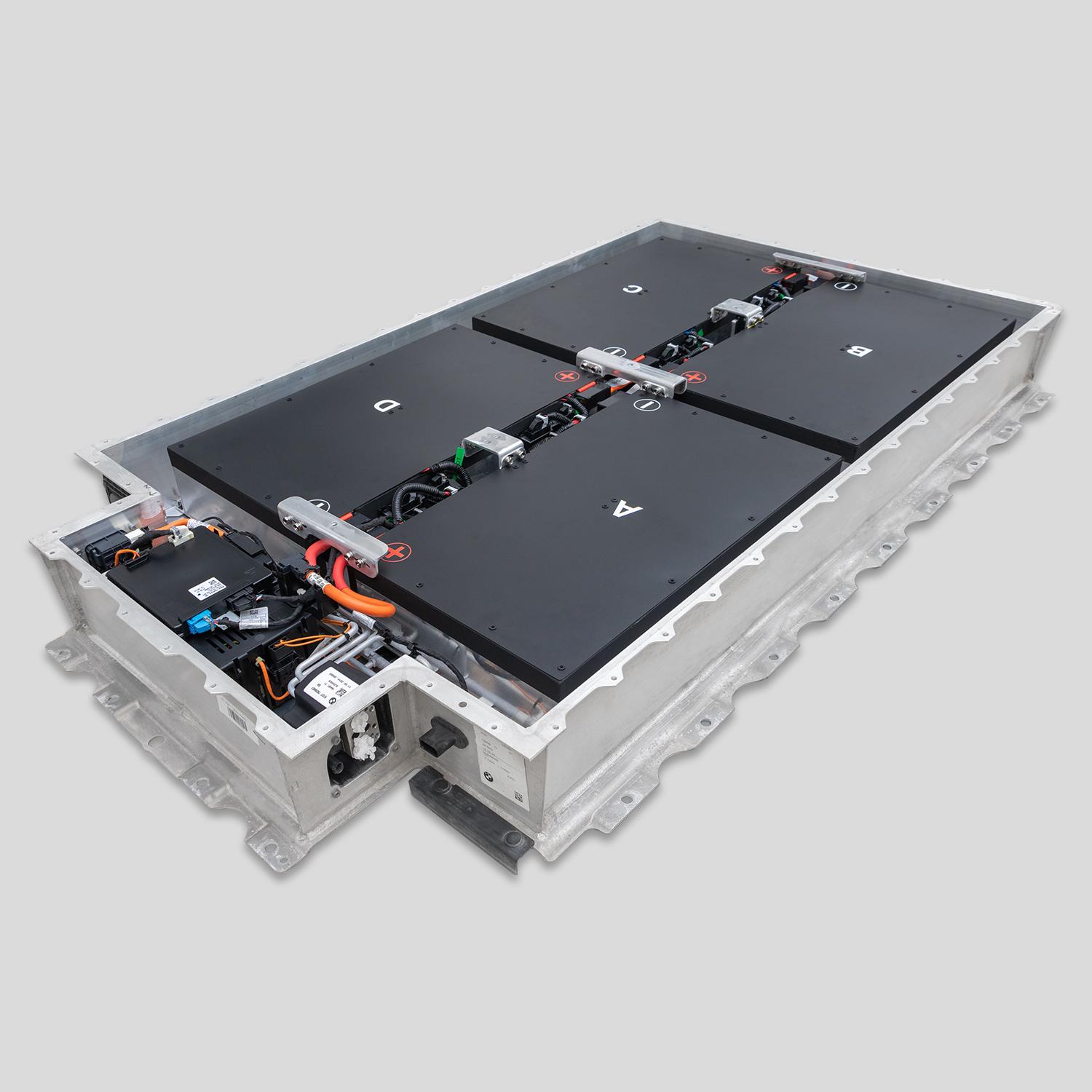
Upgrading Your Nissan Leaf to 62kWh Capacity
As one of the pioneering electric vehicles (EVs) on the market, the Nissan Leaf has earned a loyal following for its reliability and affordability. However, early Leaf models with 24kWh or 30kWh batteries often suffer from limited range and battery degradation over time, leaving owners grappling with range anxiety in an era of long-distance EVs. Upgrading to a 62kWh battery pack emerges as a game-changing solution, breathing new life into aging Leafs by doubling (or more) their driving range. This guide breaks down everything you need to know about upgrading your Nissan Leaf to 62kWh capacity, from feasibility and options to costs and real-world results.
Why Upgrade to a 62kWh Battery?
The primary appeal of a 62kWh upgrade lies in transformative range improvement. Original 2011-2017 Leaf models with 24kWh batteries deliver a mere 73-84 miles per charge (EPA-rated), dropping to 30 miles or less as batteries degrade. A 62kWh pack boosts range to 226-250+ miles per full charge , eliminating the need for frequent charging stops and expanding the Leaf’s usability for road trips and daily commutes alike.
Beyond range, upgrading offers exceptional value retention. Early Leafs depreciate rapidly—many 24kWh models sell for under $5,000 due to battery degradation . A 62kWh upgrade costs a fraction of a new EV, turning a budget-friendly used Leaf into a practical, long-range vehicle. Additionally, modern 62kWh packs often feature improved cell technology (such as hard-shell monomers) that resist degradation better than older air-cooled 24kWh units .
62kWh Upgrade Options for Nissan Leaf
Nissan does not offer official 62kWh upgrades for older Leaf models, so owners rely on two primary pathways: third-party plug-and-play kits and refurbished OEM packs from later Leaf e+ models.
Third-Party Plug-and-Play Kits
This is the most popular and accessible option, with brands like Viv Ne (China), Muxsan (Netherlands), and CNS Battery offering tailored 62kWh kits for 2011-2017 Leaf models (ZE0/AZE0 generations). These kits are designed to fit the Leaf’s existing battery compartment without major modifications, leveraging the vehicle’s original wiring and battery management system (BMS) .
Muxsan’s MX-62 kit, for example, includes a liquid-cooled 62kWh pack that prevents overheating— a critical upgrade over the Leaf’s stock air-cooled system . CNS Battery’s 62kWh pack boasts plug-and-play installation, handling 47kW DC fast charging and extending range to 440 km (273 miles) . Most third-party kits require minimal BMS tweaking, often resolved with tools like Leaf Spy to clear error codes .
Refurbished OEM 62kWh Packs
Some owners source 62kWh packs from wrecked 2019+ Leaf e+ models, which come factory-equipped with this capacity. While these OEM packs ensure perfect compatibility, they are harder to find and carry higher upfront costs. Refurbished OEM packs may also lack modern cell upgrades found in third-party kits, making them less ideal for long-term durability .
Cost Breakdown of a 62kWh Upgrade
Total costs vary by region, kit type, and installation method, but most upgrades fall into a predictable range. Here’s a breakdown based on real-world data :
-
Battery Pack: $7,000-$8,500 (third-party) or $8,500-$9,500 (OEM refurbished). Viv Ne’s 62kWh pack costs $7,200 plus $1,100 in shipping (DDP), while European third-party options range from £7,000-£8,500.
-
Installation: $1,000-$2,000 for professional labor, or $0 if DIY. A hobbyist with basic tools can complete the install in 5 hours— the hardest task is lifting the 360kg pack into place .
-
Incentives & Rebates: Some regions offer subsidies. California residents, for example, can claim up to $1,000 back via power company programs .
-
Total: $8,000-$11,500, including the cost of a used Leaf ($700-$5,000). This is a fraction of the $30,000+ price tag for a new long-range EV.
Installation & Technical Considerations
The Leaf’s modular battery design simplifies upgrades, but safety and compatibility are non-negotiable. Here are key technical points:
DIY vs. Professional Installation
DIY is feasible for those with mechanical experience. Required tools include 6-ton jack stands, floor jacks, dollies, and standard wrenches . Third-party suppliers often provide video tutorials, and the process involves removing the old pack, securing the new one, and minor BMS programming. For beginners, professional installation by EV specialists is recommended to avoid high-voltage risks.
BMS Compatibility
Top-tier kits (like Viv Ne and CNS Battery) are designed to work with the Leaf’s original BMS, requiring no wiring splicing or module modifications . Post-installation, error codes may appear but can be cleared with Leaf Spy. Avoid low-quality kits that require BMS hacking, as they risk battery damage or safety hazards.
Weight & Handling
A 62kWh pack weighs ~360kg, 120kg more than the original 24kWh pack . This increases the Leaf’s low center of gravity (improving stability) but may strain suspension components over time. Consider upgrading shocks or springs for optimal handling.
Warranty & Compliance
Upgrading voids Nissan’s original battery warranty (8 years/100,000 miles), so choose third-party kits with robust coverage. CNS Battery offers a 2-year/80,000km warranty, guaranteeing capacity remains above 75% (9/12 bars) . Muxsan and Viv Ne also provide 1-2 year warranties on their packs.
Compliance varies by region. In the EU and US, upgrades must meet local safety standards (e.g., UN38.3 for batteries) to pass inspections. Always verify with a certified EV shop before installation.
Real-World Results & Owner Experiences
Owners report transformative results after 62kWh upgrades. One 2013 Leaf owner spent $9,000 total (including the $700 vehicle) and now enjoys 250+ miles of range, calling the upgrade “a no-brainer” . Another Hong Kong owner upgraded from a leaking 40kWh soft-pack to a 62kWh hard-shell pack, eliminating breakdowns and gaining enough range for cross-border trips .
Long-term performance remains strong. Third-party packs with liquid cooling show minimal degradation— even after 10,000+ miles, capacity retention stays above 90% .
Is a 62kWh Upgrade Right for You?
This upgrade is ideal for Leaf owners who want long-range capability without buying a new EV. It’s most cost-effective for 2011-2017 models with degraded 24kWh/30kWh batteries, as newer 40kWh Leafs offer sufficient range for most drivers. If you prioritize reliability, choose a reputable third-party kit with a warranty; if OEM compatibility is key, opt for a refurbished Leaf e+ pack.
With a 62kWh battery, your Nissan Leaf evolves from a city commuter to a versatile long-distance EV— proving that older EVs can compete with modern models with the right upgrade. Whether you’re a DIY enthusiast or prefer professional installation, this modification unlocks the Leaf’s full potential.