Nissan Leaf Battery Replacement: Safety First – 2026 Expert Guidelines
When it comes to Nissan Leaf battery replacement, cutting corners on safety can lead to catastrophic risks—electrical shocks, thermal runaway, or permanent vehicle damage. Yet many owners overlook safety protocols, lured by cheap DIY kits or uncertified shops that prioritize speed over protection. The Leaf’s high-voltage system (360V/350V) and lithium-ion battery chemistry demand strict safety measures, whether you’re replacing a degraded pack or upgrading. As CNS BATTERY experts, we break down the critical safety steps, highlight common hazards, and show how our safety-first approach ensures a risk-free replacement—protecting you, your vehicle, and your family.
Why Safety Is Non-Negotiable for Nissan Leaf Battery Replacement
The Nissan Leaf’s battery system presents unique safety challenges that generic auto repairs don’t. Understanding these risks underscores why a safety-first mindset is essential for every replacement.
1. High-Voltage Electrical Hazards
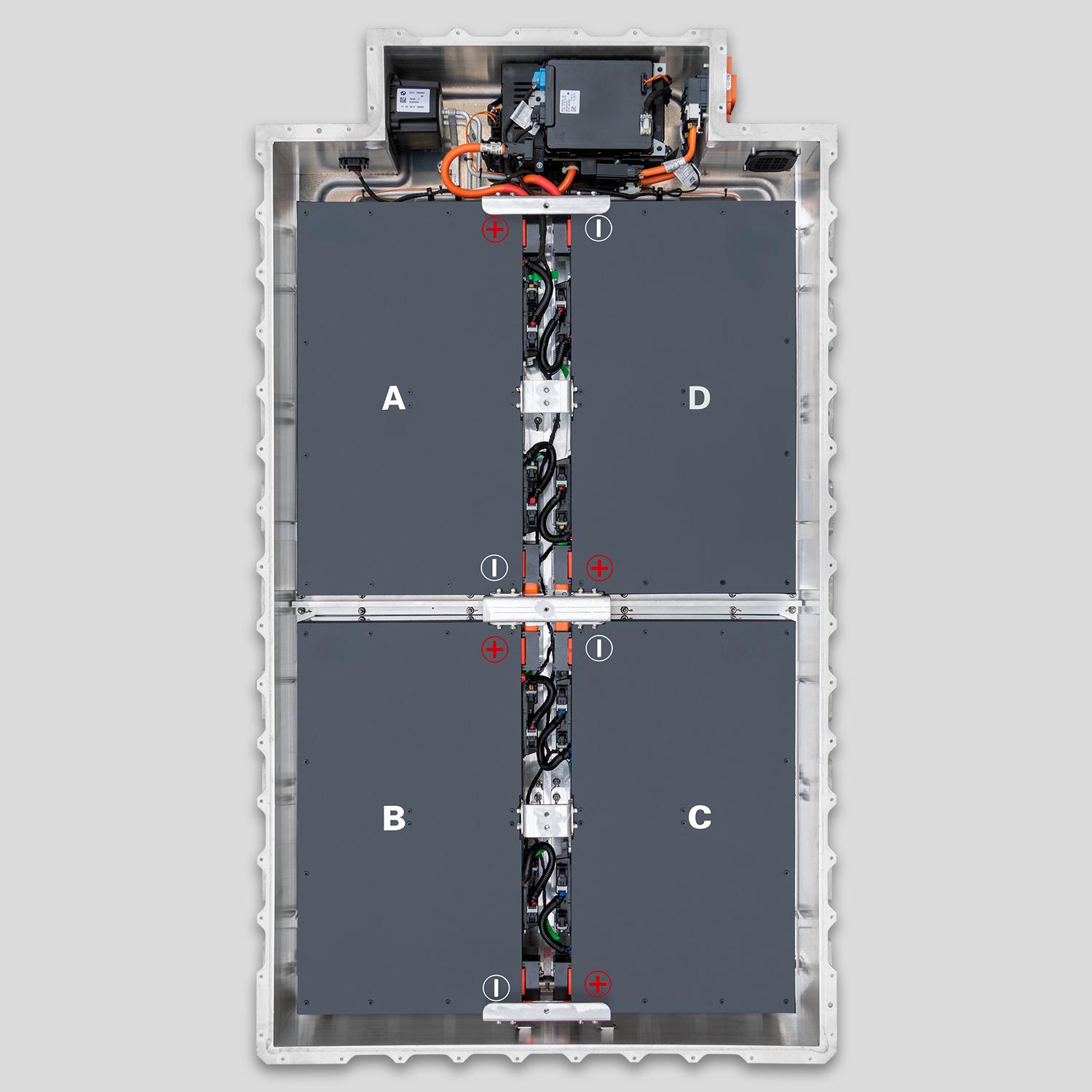
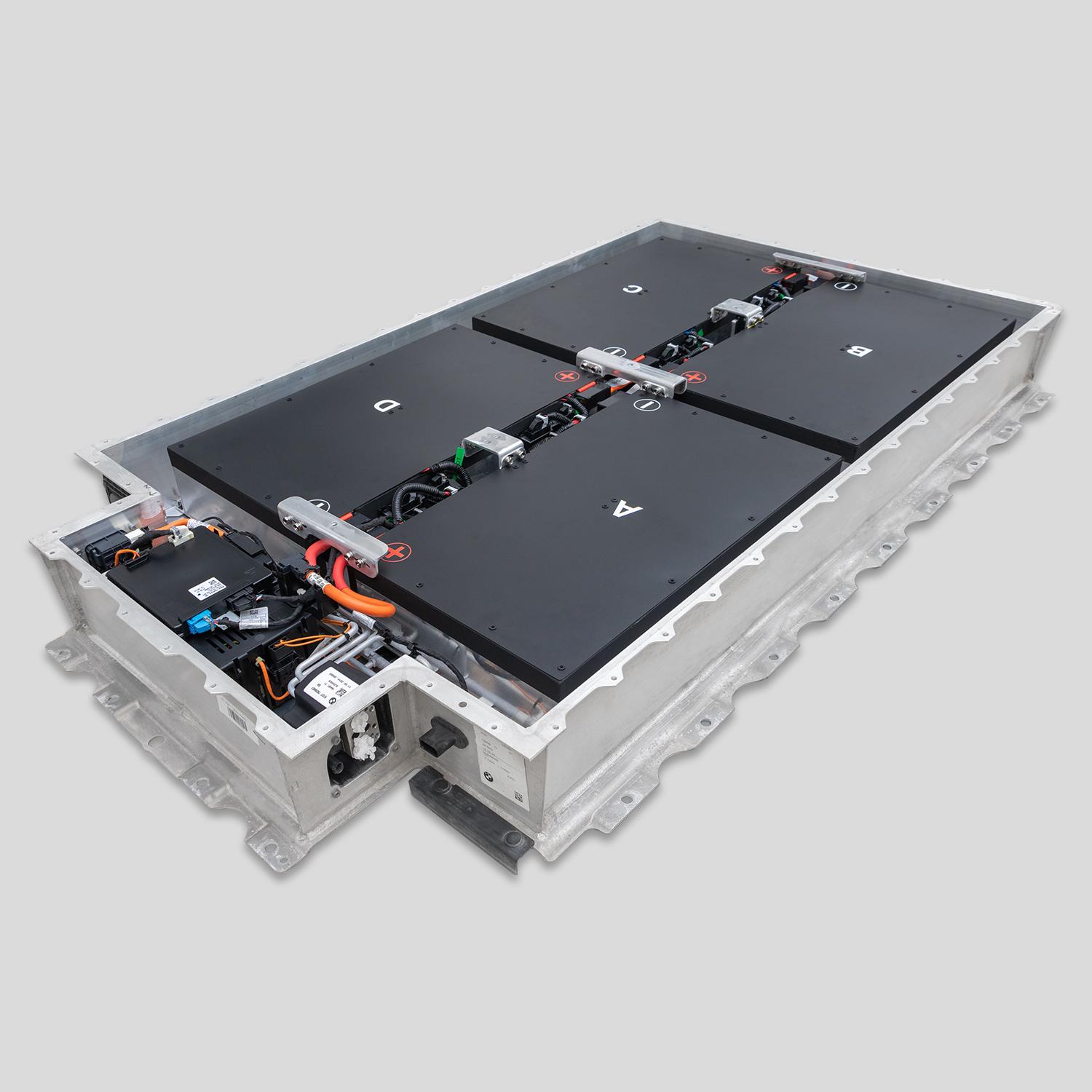
Leaf batteries operate at 360V (ZE0 models: 2010-2017) or 350V (ZE1 models: 2018-2022)—far above the 50V threshold considered dangerous. Even a discharged pack can retain residual voltage, causing severe electric shock, burns, or heart arrhythmia. Improper disconnection risks short circuits, leading to sparks or fires.
2. Lithium-Ion Thermal Runaway Risks
Damaged or mishandled lithium-ion cells can trigger thermal runaway—a chain reaction that produces intense heat (over 600℃), toxic fumes, and fire. This risk escalates with degraded packs, which may have hidden cell damage. Passive-cooled ZE0 models and liquid-cooled ZE1 models both require specialized handling to prevent thermal incidents.
3. Legal & Insurance Implications
Unsafe battery replacements void vehicle insurance and may violate local regulations. Insurance companies deny claims for damage caused by uncertified work, leaving owners financially liable for repairs or injuries.
Critical Safety Protocols for Nissan Leaf Battery Replacement
Certified technicians follow a strict safety workflow to mitigate risks. Below are the non-negotiable steps that define a safety-first Leaf battery replacement.
Pre-Replacement Safety Checks (Non-Negotiable)
Before any work begins, thorough prep work eliminates hidden risks:
-
Voltage Discharge: The pack is safely discharged to below 60V using Nissan-approved equipment, eliminating residual voltage. This process takes 30-45 minutes and is mandatory for ZE1 liquid-cooled models.
-
Battery Health Assessment: A Leaf Spy or Nissan OBD-II scanner checks for cell imbalance, thermal damage, or electrolyte leaks—any red flag halts the process until risks are resolved.
-
Personal Protective Equipment (PPE): Technicians wear Class 00 1000V insulated gloves, flame-resistant clothing, and safety goggles. Non-conductive tools (rubber-handled wrenches, plastic pry bars) are used exclusively.
During-Replacement Safety Measures
Every step of battery removal and installation adheres to strict safety standards:
-
High-Voltage Disconnection: The service plug (located behind the rear seat) is removed first, disconnecting power to the vehicle’s electrical system. A lockout-tagout (LOTO) system prevents accidental reconnection.
-
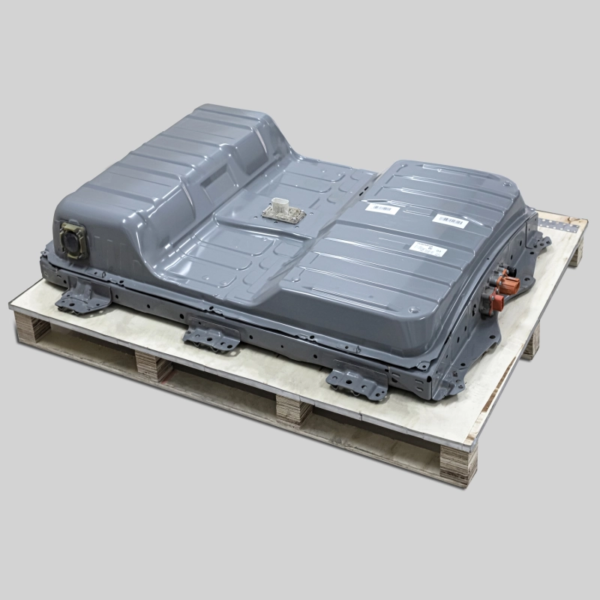
Controlled Lifting: The 100-150kg battery pack is lifted with a rated EV battery hoist, avoiding tilting (which risks electrolyte leaks in degraded packs). ZE1 models require cooling line disconnection before lifting, with refrigerant safely recovered.
-
Cell Damage Prevention: The pack is placed on a non-conductive surface, and no force is applied to cell modules. Even minor punctures can trigger thermal runaway.
Post-Replacement Safety Validation
Safety doesn’t end with installation—rigorous testing ensures the system is secure:
-
Insulation Resistance Test: A megohmmeter checks for electrical leaks, ensuring no current escapes the battery enclosure. A reading below 100MΩ indicates a safety hazard and requires correction.
-
Voltage Balance & BMS Calibration: The Battery Management System (BMS) is calibrated to the new pack, ensuring cell voltage balance and thermal monitoring work correctly.
-
Test Drive & Thermal Monitoring: A 15-mile test drive checks for abnormal heat, warning lights, or electrical issues. Real-time thermal data is logged to confirm the pack operates within safe temperature ranges (20-40℃).
CNS BATTERY’s Safety-First Approach: Beyond Industry Standards
Many shops cut safety corners to save time or money, but CNS prioritizes protection with industry-leading protocols and engineered solutions.
1. Certified Safety-Trained Technicians
Our technicians complete 80+ hours of Nissan-specific safety training, including high-voltage rescue and thermal runaway response. They hold ASE L3 (EV Specialist) and EVITP certifications, with annual recertification to stay updated on 2026 safety standards. Unlike general repair shops, they handle Leaf battery replacements daily, mastering every safety nuance.
2. Sodium-Ion Batteries: Inherently Safer Chemistry
Our sodium-ion replacement packs eliminate thermal runaway risks—their thermal decomposition temperature exceeds 500℃, compared to 200-300℃ for lithium-ion. They’re non-flammable and resistant to leaks, even if damaged. For ZE0 and ZE1 models, this adds a layer of safety that lithium-ion replacements can’t match.
3. Safety-Certified Packs & Equipment
Every CNS battery meets global safety standards (UN38.3, IEC 62133-2) and is 3C-certified for road use. We use Nissan-genuine high-voltage tools and diagnostic equipment, avoiding aftermarket gear that may fail safety checks. Our facilities are equipped with EV-specific fire suppression systems, designed to handle battery fires safely.
4. Transparent Safety Documentation
You receive a detailed safety report after replacement, including insulation test results, BMS calibration data, and technician certification records. This documentation satisfies insurance requirements and provides peace of mind that every safety protocol was followed.