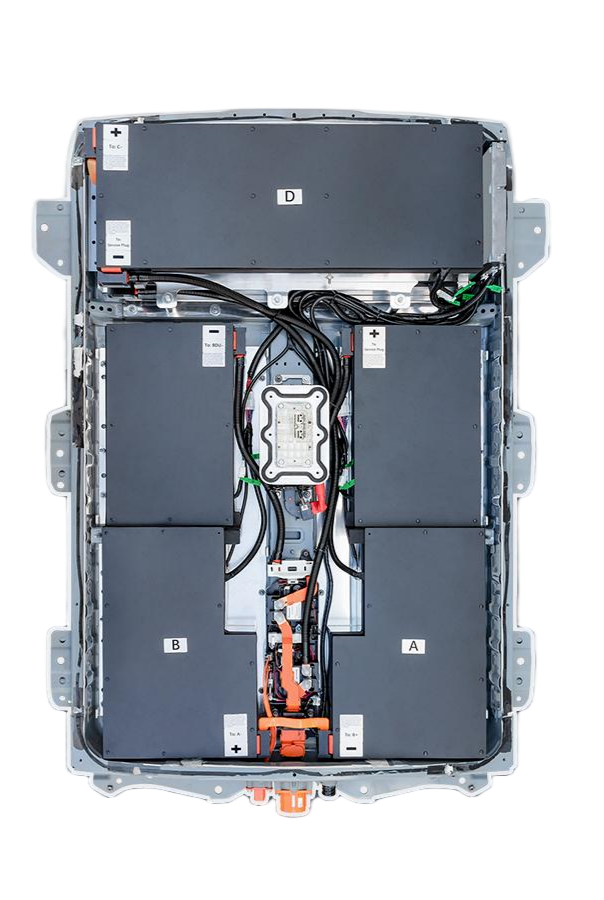
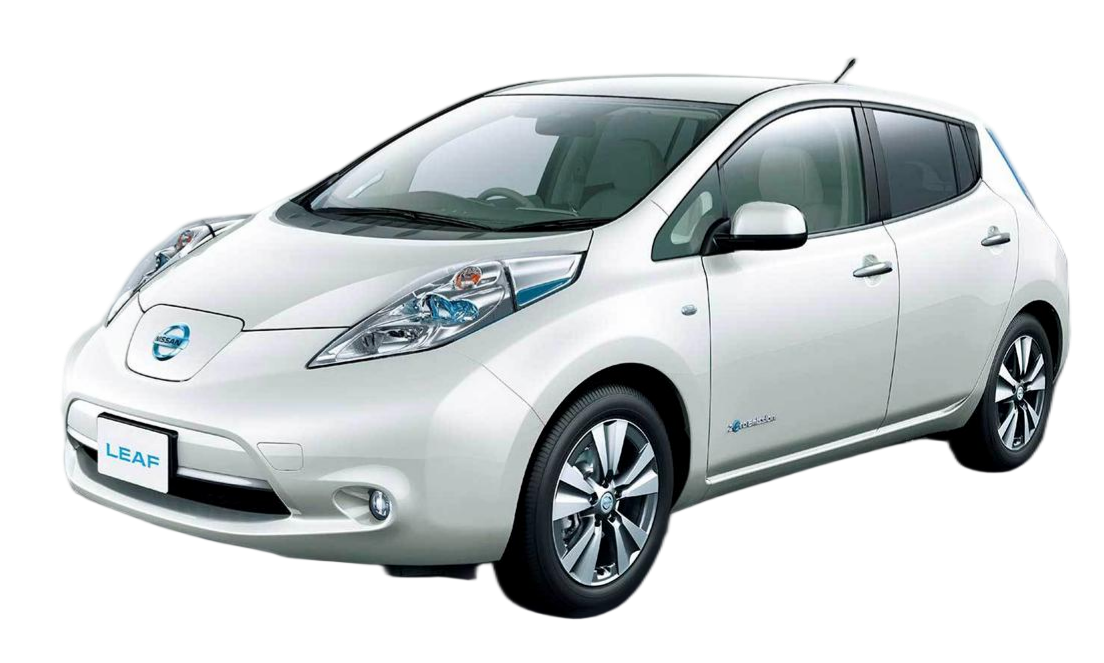
Replacing Degraded Batteries in 2017 Nissan Leaf: 2026 Expert Guide
Is your 2017 Nissan Leaf suffering from severe range loss, erratic battery gauges, or slow charging due to degraded batteries? The 2017 Leaf—available with 24kWh and 30kWh passive-cooled lithium-ion packs—is notorious for premature battery degradation, a top complaint among owners. By 2026, most original packs retain just 50-60% of their factory capacity, turning daily commutes into stressful journeys. Replacing degraded batteries in 2017 Leaf is the only way to restore reliability, but navigating options (OEM, refurbished, advanced chemistry) and avoiding scams can be overwhelming. As CNS BATTERY experts, we break down how to identify degradation, top replacement solutions, and why our sodium-ion packs outperform traditional options for 2017 Leaf models.
How to Identify Degraded Batteries in 2017 Nissan Leaf
The 2017 Leaf’s battery degradation manifests in clear symptoms beyond just reduced range. Early detection prevents costly secondary damage and ensures you replace the pack before it fails completely.
1. Key Degradation Symptoms
The most obvious sign is range loss: a 24kWh 2017 Leaf originally delivered 73-84 EPA miles, while the 30kWh variant hit 107 miles. If your range has dropped below 40 miles (24kWh) or 60 miles (30kWh), degradation is severe. Other red flags include erratic state-of-charge (SOC) readings—gauges dropping rapidly under load then jumping back up—and dashboard error messages related to the battery or BMS (Battery Management System).
2. BMS & Performance Issues
Degraded cells cause voltage imbalance, triggering BMS errors and reduced charging speeds. You may notice the Leaf takes 5+ hours to charge on a Level 2 charger (vs. 3-4 hours new) or fails to reach full charge. Complete BMS failure can render the vehicle undrivable, requiring expensive repairs if not addressed promptly.
3. Testing Battery Health
Use a Nissan-specific OBD-II scanner or Leaf Spy tool to check State of Health (SOH)—any reading below 60% means replacement is necessary. Technicians can also test cell voltage balance; uneven readings confirm degradation. Avoid replacing individual modules (a common quick fix)—spread-out weak cells make this a temporary solution that leads to repeat issues.
Top Replacement Solutions for Degraded 2017 Leaf Batteries (2026)
The 2017 Leaf’s passive-cooled architecture limits compatibility, so choose packs engineered for its 360V system. Below are the best 2026 options, ranked by reliability, value, and performance for both 24kWh and 30kWh variants.
1. CNS BATTERY Sodium-Ion Packs (Best Long-Term Value)
Our sodium-ion packs are tailored for 2017 Leaf models, addressing the factory lithium-ion’s core flaws. We offer both 24kWh ($6,595 net after $600 rebate) and 30kWh ($7,595 net after $700 rebate) options, with all-inclusive pricing covering installation, BMS calibration, and core rebate processing.
Degradation-Resistant Benefits: Sodium-ion eliminates premature capacity fade, retaining 90% of its capacity after 6-8 years—double the lifespan of OEM lithium-ion. It resists voltage imbalance (a top cause of 2017 Leaf battery issues) and retains 90% capacity at -20℃, outperforming lithium-ion’s 55% retention in cold weather. For 30kWh models, this restores 95-105 real-world miles, matching factory performance.
2. OEM Remanufactured Packs (Premium Factory Option)
Nissan’s remanufactured packs match 2017 Leaf specifications, with a net cost of $5,499 (24kWh) and $7,495 (30kWh) after $1,000 core rebates. They include a 1-year factory warranty and seamless BMS integration.
Key Considerations: While reliable, they retain lithium-ion’s degradation issues, lasting just 3-4 years. 2017 Leaf owners may face additional $225 fees for installation kits (a legacy requirement for older Leaf variants). Hidden costs include BMS recalibration ($150-$200) every 12-18 months to manage cell imbalance.
3. Certified Refurbished LFP Packs (Budget Option)
Lithium-iron-phosphate (LFP) refurbished packs cost $4,895 (24kWh) and $5,995 (30kWh) net after rebates, making them a budget-friendly choice for owners on a tight budget.
Tradeoffs: LFP resists cell imbalance better than standard lithium-ion but suffers 30% capacity loss in cold weather. They deliver 65-70 miles (24kWh) and 85-95 miles (30kWh) and have a 3-4 year lifespan. Only choose 2017 Leaf-certified units—uncertified packs lack proper insulation, increasing fire risks.
Why CNS Sodium-Ion Packs Fix 2017 Leaf Degradation for Good
Our packs are engineered to solve the 2017 Leaf’s unique battery pain points, delivering lasting reliability that traditional options can’t match.
1. Immunity to Premature Degradation
Sodium-ion’s chemistry eliminates the thermal and voltage issues that plague the 2017 Leaf’s factory lithium-ion packs. We reinforce cell insulation and optimize spacing to prevent the uneven degradation that causes erratic SOC readings and BMS errors.
2. Passive Cooling Compatibility
The 2017 Leaf’s passive cooling system struggles to regulate lithium-ion temperatures, accelerating degradation. Sodium-ion generates 30% less heat during charging and discharging, thriving with passive cooling and avoiding overheating-related damage.
3. No Hidden Maintenance Costs
Unlike OEM and LFP packs, our sodium-ion solutions require no frequent BMS recalibrations or cooling system checks. We include all necessary services in the total price, and our 3-year warranty covers any degradation-related issues—critical for 2017 Leaf models with no remaining factory warranty.
Frequently Asked Questions (FAQ) About 2017 Leaf Battery Replacement
Will replacing my 2017 Leaf’s degraded battery void remaining warranties?
No. The Federal Magnuson-Moss Warranty Act protects non-battery components (motor, controller). CNS provides certified installation records, preserving coverage for other systems. Our 3-year warranty complements any remaining protection, covering defects and capacity loss.
Is it worth replacing the battery in a 2017 Leaf?
Yes—if the vehicle is in good mechanical condition. A CNS battery upgrade restores 90%+ original range, boosting resale value by 15-20%. It’s far more cost-effective than purchasing a new EV ($35,000+) and extends the 2017 Leaf’s lifespan by 6-8 years.
Can I upgrade my 2017 24kWh Leaf to 30kWh during replacement?
Yes. CNS offers a 24kWh-to-30kWh upgrade package for $7,595 net, delivering 30+ additional miles of range. The upgrade requires BMS reprogramming (included in our pricing) and is fully compatible with the 2017 Leaf’s electrical system.
How long does battery replacement take for a 2017 Leaf?
Professional installation takes 3-4 hours for 2017 Leaf models, thanks to its passive cooling system (simpler than later liquid-cooled variants). CNS authorized shops provide loaner vehicles if needed, minimizing downtime.
Restore Your 2017 Nissan Leaf with a Degradation-Proof Battery
Replacing degraded batteries in 2017 Nissan Leaf doesn’t have to mean repeating the cycle of premature failure. CNS BATTERY’s sodium-ion packs deliver lasting reliability, all-weather performance, and no hidden costs—outperforming OEM and budget alternatives. Don’t let a degraded battery retire your 2017 Leaf. 立即访问https://cnsbattery.com/nissan-leaf-battery/,获取独家折扣并咨询专家升级方案! Let our team help you revitalize your 2017 Leaf with a battery that resists degradation for years to come.